How Much Does Ceramic Coating Cost in Santa Clarita?
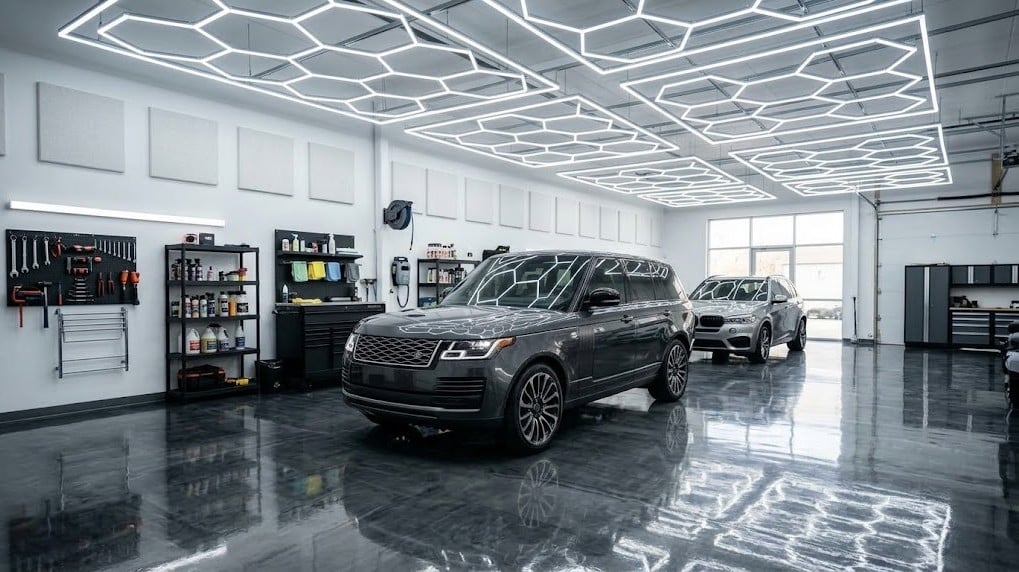
The cost of professional ceramic coating in Santa Clarita varies based on your vehicle’s size, its current paint condition, and the level of surface preparation required before application. Because a high-grade ceramic coating chemically bonds to your clear coat, the majority of the investment covers necessary labor hours—such as decontamination, wash prep, and machine polishing—rather than just the liquid product itself. Understanding what factors drive professional pricing helps you choose the right protection package for your car and budget. Key Factors That Determine Ceramic Coating Pricing Professional detailing shops evaluate several variables when providing a personalized ceramic coating quote: Vehicle Size and Panel Area: Larger vehicles like full-size SUVs, dual-cab trucks, and minivans have significantly more surface area than two-door coupes or sedans. More square footage requires additional labor time and product volume. Current Paint Condition: A vehicle with heavy swirl marks, water spot etching, or scratch defects requires multi-stage machine compounding to smooth out the clear coat. A clean, brand-new vehicle usually demands less prep work. Type of Coating Package: Multi-year professional coatings formulated with high silicon dioxide ($SiO_2$) concentration cost more than short-term sealant sprays due to chemical composition and complex application techniques. Coated Surfaces Included: Standard packages protect body paint panels. Adding protection for wheel barrels, brake calipers, exterior glass, or plastic trim increases total service scope. Why Surface Prep and Paint Correction Drive the Cost A common misunderstanding is that ceramic coating cost is determined solely by the bottle of liquid coating. In reality, applying the coating itself is the final step of a multi-hour process. Before liquid ceramic can bond securely to your paint, technicians must perform thorough surface preparation: Chemical and Mechanical Decontamination: Removing embedded iron particles, road tar, and industrial fallout using dedicated chemical cleaners and clay bars. Machine Paint Correction: Polishing body panels to remove swirl marks and clear coat defects. Skipping Paint Correction seals scratches permanently beneath the hard ceramic layer. Because machine polishing requires meticulous skill and time, paint preparation accounts for the largest portion of overall project labor. Comparing Professional Installation to DIY Sprays Consumer ceramic sprays found at retail auto stores usually cost under a hundred dollars, but they offer vastly different results compared to professional installations. Over-the-counter sprays contain lower $SiO_2$ solids and sit on top of the clear coat without forming a deep chemical cross-link. They provide temporary water repellency for a few months but wear off quickly under daily Santa Clarita sun exposure. A Ceramic Coating service delivers multi-year UV protection, deep optical gloss, and strong chemical defense backed by professional surface prep. Frequently Asked Questions Does a brand-new car ceramic coating cost less than a used car? Yes, generally. Brand-new vehicles typically require minimal paint correction compared to older pre-owned cars with years of wash scratches and environmental wear, lowering total labor hours. Is paint correction always required before ceramic coating? At least light single-stage polishing is necessary to strip old waxes and ensure bare clear coat exposure. Without polishing, the coating cannot form a durable bond with the surface. Looking for Ceramic Coating in Santa Clarita? Pristine Auto Care provides professional ceramic coating installations tailored to your vehicle’s specific paint condition and protection goals.
Why Ceramic Coating Is Essential for Black Cars | Santa Clarita
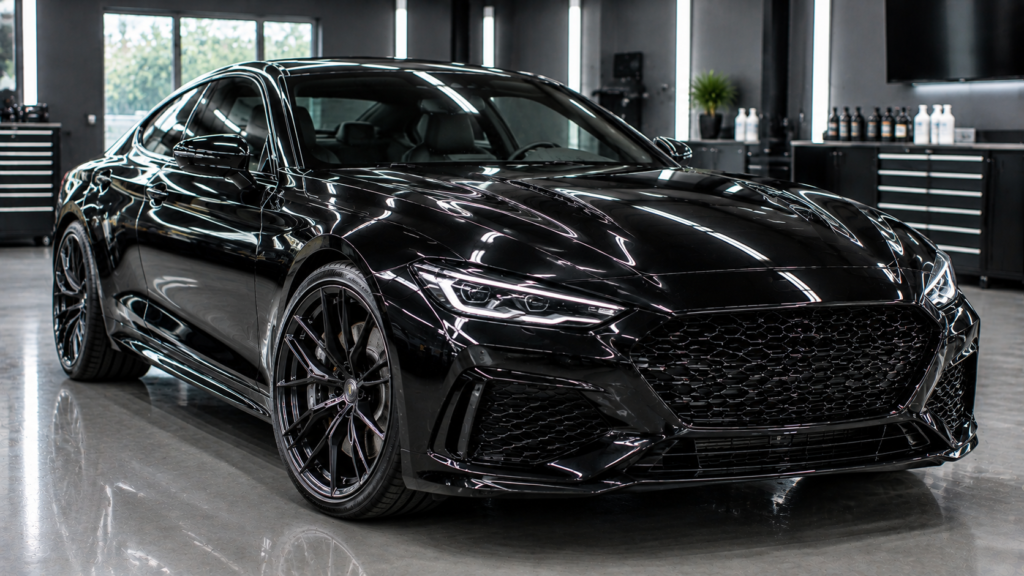
Black paint looks stunning when it is clean and defect-free, but keeping a dark vehicle looking its best is a constant challenge. Black car paint absorbs intense thermal heat and reveals every microscopic scratch, swirl mark, water spot, and layer of dust. Applying a professional ceramic coating to a black or dark-colored vehicle adds a hard, hydrophobic shield over the clear coat. This protective layer deepens color reflection, provides resistance against chemical etching, and significantly reduces the maintenance effort needed to keep black paint looking showroom-fresh. Why Black Paint Is So Difficult to Maintain Owning a black vehicle requires extra care compared to lighter colors like silver or white. Dark paint accents light contrast, making even the smallest clear coat imperfections stand out under direct sunlight. Common struggles faced by black car owners include: Visible Swirl Marks: Fine scratches and wash cobwebbing stand out clearly against black paint under sunlight or artificial inspection lights. High Thermal Absorption: Black surfaces absorb solar heat rapidly. On warm days, body panels can reach high surface temperatures, causing water and road grime to bake into the clear coat quickly. Dust and Water Spotting: Light road dust and mineral rings left by dried water droplets stand out prominently against dark clear coats. How Ceramic Coating Transforms Dark Vehicles Ceramic coatings are formulated with active silicon dioxide ($SiO_2$). Once cured, the liquid formula creates a smooth, transparent barrier across the clear coat that enhances both protection and visual depth. Deep Mirror Reflection: The coating fills microscopic clear coat pores, creating an exceptionally smooth surface that reflects light evenly. This gives black paint a wet, liquid-like gloss. Extreme Hydrophobicity: Water beads up into tight spheres and sheets off body panels effortlessly, carrying surface dust along with it. Chemical and UV Resistance: The inorganic $SiO_2$ layer absorbs UV rays and resists acidic contaminants like bird droppings, preventing them from burning directly into the factory clear coat. Paint Correction: The Critical Step for Black Cars Because a ceramic coating acts like an optically clear glass layer over your vehicle, it seals in whatever surface condition exists underneath. Applying a coating over swirled or scratched black paint will permanently lock those defects beneath the protective layer. Before installing a coating on a dark vehicle, thorough Paint Correction is essential. Machine polishing levels out clear coat imperfections, removing swirl marks and restoring true color clarity before the coating is applied. Washing a Coated Black Vehicle in Santa Clarita Driving a black car in Santa Clarita exposes the finish to intense California sun, dry wind, and mineral-dense water. Proper washing techniques preserve the finish after coating installation: Use the Two-Bucket Method: Wash with two separate buckets fitted with grit guards to isolate trapped dirt away from your wash mitt. Wash with pH-Neutral Soap: Use gentle car shampoo free from natural waxes or harsh degreasers that clog the coating’s hydrophobic layer. Never Wash in Direct Sun: Clean dark vehicles in the shade to prevent soapy water or rinse water from drying quickly on hot panels and leaving mineral spots. Frequently Asked Questions Does ceramic coating make a black car completely scratch-proof? No. While ceramic coating increases clear coat surface hardness and helps resist light wash micro-marring, it will not prevent heavy physical scratches, rock chips, or door dings. Will ceramic coating hide existing swirl marks on black paint? No. Ceramic coatings are transparent and do not fill or conceal scratches. Any existing swirl marks must be polished out through machine paint correction prior to coating application. Looking for Ceramic Coating for Your Black Car in Santa Clarita? Pristine Auto Care provides professional paint correction and ceramic coating services designed to give dark vehicles deep reflection and long-lasting paint protection.
Why Paint Correction Is Necessary Before Ceramic Coating
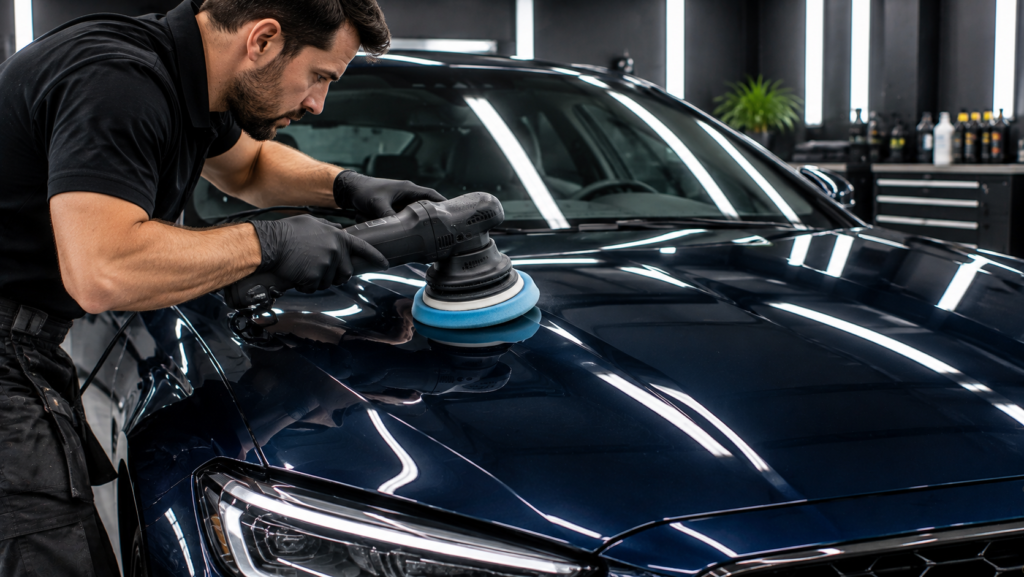
Paint correction is necessary before ceramic coating because liquid ceramic coatings form a hard, transparent chemical bond over your vehicle’s factory clear coat. Once cured, the coating acts like a magnifying glass over your paint—locking in and highlighting whatever surface condition exists underneath. Performing machine paint correction before installation eliminates swirl marks, light scratches, and oxidation, ensuring the coating bonds directly to a smooth, clean surface for maximum durability and visual depth. Ceramic Coating Locks In Existing Paint Imperfections A common misconception is that applying a ceramic coating will fill in or conceal existing scratches and swirl marks. In reality, ceramic coatings are optically clear liquid formulas containing silicon dioxide ($SiO_2$) that cure to a thickness of only 1 to 3 microns. If you apply a professional ceramic coating over paint covered in wash swirls, water spot etching, or light scratches, those defects will remain permanently visible under the hardened protective layer. The only way to fix trapped swirl marks after a coating has cured is to machine polish the entire coating off, correct the paint, and reapply the product from scratch. Maximizing Chemical Bonding and Longevity For a ceramic coating to deliver its promised multi-year lifespan, it requires a bare, pristine clear coat surface to cross-link with chemically. Before coating installation, clear coat surfaces accumulate unseen contaminants: Waxes and Silicone Sealants: Old protective waxes create an oily barrier that prevents ceramic formulas from adhering directly to paint. Embedded Industrial Fallout: Brake dust particles and rail dust lodge into microscopic clear coat pores. Oxidized Paint Layers: UV exposure creates a thin layer of dead, dull clear coat on top of healthy paint. Thorough surface preparation—combining chemical decontamination, clay bar treatment, and machine polishing—strips away these barriers. Polishing restores bare clear coat, allowing active silicon dioxide molecules to form a tight, long-lasting chemical bond. True Gloss Comes from Smooth Paint While ceramic coatings enhance surface slickness and water repellency, the deep mirror gloss of a finished vehicle comes primarily from the smoothness of the underlying clear coat. When light hits a car panel covered in microscopic swirl marks and scratches, the light rays bounce off in multiple fragmented directions, making the paint look dull, hazy, or gray. Professionals use machine polishers and dedicated abrasive compounds to level the clear coat, creating a flat surface that reflects light evenly. Applying a ceramic coating over perfectly polished paint enhances optical depth and locks in that showroom shine for years. What Happens If You Skip Surface Prep? Skipping surface preparation to save time or cost significantly compromises your coating’s performance: Premature Coating Failure: The coating cannot bond securely to dirty or waxed clear coat, causing it to wash off within months. Uneven Curing: Residue on the paint causes the coating to flash inconsistently, leading to high spots and streaky reflections. Wasted Investment: Applying premium protective products over unpolished paint results in a dull appearance despite spending money on protection. Frequently Asked Questions Does a brand-new car need paint correction before ceramic coating? Yes. Even brand-new vehicles accumulate rail dust, industrial fallout, and transport dirt during shipping from the factory. Dealership prep washes often leave fine swirl marks on fresh clear coats that require single-stage polishing before coating. Can paint correction remove every scratch on my vehicle? Paint correction safely removes scratches that reside within the top clear coat layer. Deep scratches that penetrate down to the primer or underlying body metal cannot be polished out and require body shop paint repair. Looking for Ceramic Coating in Santa Clarita? Pristine Auto Care provides professional paint correction and ceramic coating services designed to restore your vehicle’s finish and protect it against California road wear.
Can You Polish a Ceramic Coated Car? What Owners Need to Know | Santa Clarita
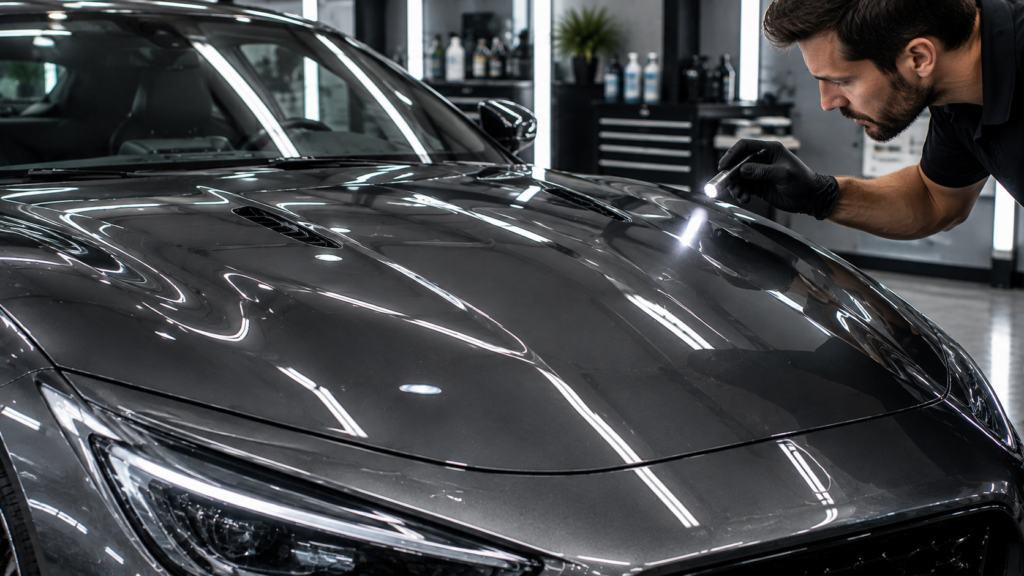
No, you should not polish a ceramic-coated car if you want to keep the coating intact. Car polishes contain micro-abrasives designed to level a microscopic layer of clear coat. Because a ceramic coating cures into an ultra-thin protective barrier over your paint, machine or hand polishing will abrade and strip the ceramic layer away. Understanding when polishing is appropriate—and what to do instead to maintain your vehicle’s shine—helps preserve your investment in long-term paint protection. Why Polishing Removes Ceramic Coating Ceramic coatings form a chemical cross-link with your factory clear coat, adding a hard, hydrophobic shield that measures only 1 to 3 microns thick. Polishing compounds work through mechanical friction. When an abrasive pad and polish rotate against body panels, they remove surface material to erase swirl marks and scratches. Because the ceramic coating rests on the outermost surface of the clear coat, any abrasive polishing action cuts directly through that protective shell. If you polish a coated car, the hydrophobic water-beading performance, UV protection, and chemical resistance will be severely degraded or removed entirely on those panels. What to Do If Your Ceramic Coating Loses Gloss If your coated vehicle begins looking dull or loses its water-repellent slickness, the issue is rarely a failed coating. In most cases, environmental road film, iron fallout, and mineral deposits have simply accumulated on top of the surface, clogging the coating’s microscopic structure. Instead of reaching for a polisher, restore your finish using safe decontamination methods: Perform a Decontamination Hand Wash: Wash the vehicle thoroughly with a pH-neutral shampoo to remove loose road film and grime. Use a Chemical Iron Remover: Spray a dedicated iron fallout remover onto the paint to dissolve embedded brake dust particles without abrasive friction. Apply a Silica Ceramic Booster: Spray a ceramic maintenance topper onto clean panels and wipe dry with a plush microfiber towel. This revitalizes the top hydrophobic layer and restores deep gloss instantly. How to Handle Scratches on a Coated Car If your vehicle suffers a light scratch after being coated, you have two main options: Leave Minor Scratches Intact: If the mark is faint and only visible under direct inspection light, it is often best to leave it alone to preserve the surrounding ceramic barrier. Spot Polish and Re-Coat: If the scratch is noticeable, the affected panel can be lightly polished using professional Paint Correction tools to remove the scratch. However, because polishing strips the coating in that area, a fresh layer of professional ceramic coating must be reapplied to that specific panel afterward. Proper Coating Upkeep in Santa Clarita Driving in the Santa Clarita Valley exposes vehicles to intense afternoon heat, blowing dust, and high UV radiation. Maintaining a smooth, glossy surface requires regular maintenance rather than heavy polishing. Washing your car every two weeks using safe hand-washing techniques prevents contaminants from baking onto the surface under the California sun. Frequently Asked Questions Does polish completely strip ceramic coating? Yes. Even mild finishing polishes contain fine abrasives that will remove or severely thin out an ultra-thin ceramic coating layer. Machine polishing is actually the primary method detailers use to intentionally remove an old ceramic coating before applying a new one. Can I apply wax over a ceramic coating instead of polishing? Applying traditional car wax over a ceramic coating is not recommended. Wax creates a soft layer on top of the coating that masks its natural hydrophobic water-beading properties and tends to attract dust. Looking for Ceramic Coating Maintenance in Santa Clarita? Pristine Auto Care provides professional detailing, decontamination washes, and ceramic coating services to keep your vehicle’s finish protected and glossy.
How to Remove Water Spots from a Ceramic Coated Car
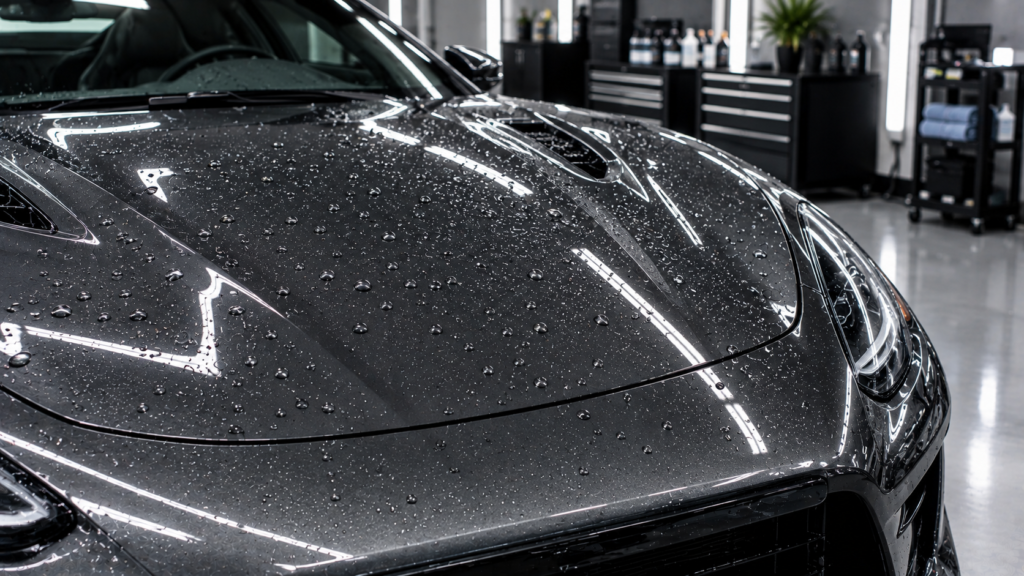
While a ceramic coating creates extreme water repellency, it does not make your car immune to water spots. If mineral-heavy tap water or rainwater dries on your vehicle under direct sunlight, dissolved minerals can remain behind on the hydrophobic layer. Fortunately, you can safely remove water spots on ceramic coating using a ceramic-safe mineral remover spray or a dedicated maintenance wash before those deposits etch into the surface. Why Water Spots Form on Ceramic Coated Vehicles Understanding why water spots occur comes down to how ceramic coatings interact with moisture: Extreme Water Beading: High-grade silicon dioxide ($SiO_2$) coatings cause water to bead up into tight, elevated spheres rather than pooling flat across the body panels. Mineral Evaporation: As those beaded water droplets sit on hot paint, the pure water evaporates into the air, leaving concentrated mineral deposits—such as calcium and magnesium—behind on the surface. Hard Municipal Water: In regions with hard water, washing your car with tap water or parking near lawn sprinklers increases the likelihood of visible mineral rings. A ceramic coating significantly delays mineral etching compared to bare clear coat, but leaving hard water deposits on hot body panels for extended periods can still cause mineral bonding. How to Safely Remove Water Spots Without Damaging the Coating Removing surface water spots requires gentle chemical dissolution rather than aggressive mechanical scrubbing. Perform a Routine Hand Wash: Wash your vehicle using the two-bucket method and a pH-neutral car shampoo to remove surface dust and loose road film. Apply a Ceramic-Safe Water Spot Remover: Spray a dedicated water spot remover or mild mineral-dissolving solution onto the affected panel. These products are formulated to dissolve calcium deposits without stripping the underlying $SiO_2$ layer. Allow Dwell Time: Let the solution sit on the surface for 30 to 60 seconds so the active ingredients can break down the mineral bonds. Wipe Gently and Rinse: Wipe the area using a clean, plush microfiber towel, then rinse the panel thoroughly with clean water to remove any residual product. Avoid using heavy compounding or aggressive machine polishing for minor water spots. Polishing removes surface minerals, but it will also strip away the protective coating layer in that area. Why Prompt Removal Matters in Santa Clarita Driving and parking in the Santa Clarita Valley exposes vehicles to high summer temperatures and intense afternoon sunlight. When hard tap water or sprinkler overspray lands on a vehicle parked outdoors in Valencia or Saugus, the ambient heat rapidly bakes those minerals onto the paint. Addressing water spots promptly stops minerals from etching through the coating’s top layer. Integrating regular maintenance into your vehicle care routine helps preserve clear coat clarity year-round. Explore our Ceramic Coating to learn more about surface protection options. Simple Tips to Prevent Water Spots Preventing hard water deposits requires minimal adjustment to your routine care: Never Wash in Direct Sunlight: Clean your vehicle early in the morning, late in the evening, or inside a garage to prevent water from drying on hot panels. Dry Thoroughly After Washing: Always dry your vehicle immediately after rinsing using a clean microfiber drying towel or an electric air blower. Avoid Lawn Sprinklers: Never park near active automated irrigation systems, as sprinkler water contains high concentrations of unfiltered minerals. Use a Silica Booster Spray: Applying a ceramic maintenance topper every few months refreshes surface slickness, making it harder for minerals to adhere. Frequently Asked Questions Will water spot removers strip my ceramic coating? No, as long as you use a product specifically formulated to be ceramic-safe. These chemical cleaners target mineral buildup without breaking down the cured ceramic cross-link. What happens if I polish water spots off my coated car? Machine polishing relies on abrasives that level the surface. While polishing removes the water spot, it will also remove the ceramic coating from that panel, requiring the coating to be reapplied. Looking for Ceramic Coating Maintenance in Santa Clarita? Pristine Auto Care offers professional detailing, paint prep, and ceramic coating services to keep your finish spotless and protected against local environmental elements.
Is Ceramic Coating Worth It for a Leased Car? | Santa Clarita
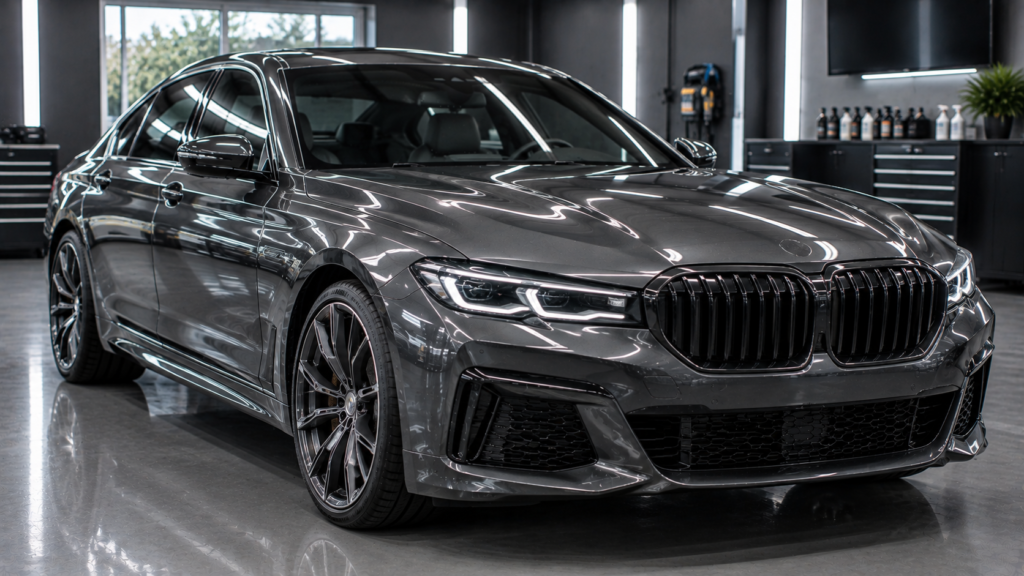
Yes, applying a ceramic coating to a leased car is often worth the investment, particularly if you want to avoid expensive excessive wear-and-tear fees when returning the vehicle. Dealership return inspectors scrutinize factory paint for clear coat oxidation, deep water spot etching, and bird droppings stains. A professional ceramic coating forms a hydrophobic barrier over your leased vehicle’s clear coat. This protective layer shields the original paint from environmental damage, ensuring the finish remains in inspection-ready condition throughout your lease term. Avoiding Costly Lease Return Penalties When you turn in a leased vehicle, dealership guidelines permit minor normal wear, but clear coat damage often triggers reconditioning charges. Repainting or spot-correcting damaged panels at lease-end can cost hundreds or even thousands of dollars out of pocket. Environmental contaminants like tree sap, hard water minerals, and acidic bird droppings can burn permanently into unprotected factory clear coat within days under direct sun. Installing ceramic paint protection creates a sacrificial chemical barrier, ensuring those daily hazards never penetrate down to the underlying paint. Defense Against the Santa Clarita Sun and Environment Leasing a commuter car in Santa Clarita means exposing the finish to intense California solar heat, UV radiation, and airborne dust. Over a typical 36-month lease, ungaraged vehicles face continuous solar stress that dulls the clear coat and accelerates surface oxidation. Silicon dioxide ($SiO_2$) coatings absorb UV rays and maintain high thermal resistance. This prevents the paint from fading or turning chalky while parked in open workplace parking lots across Valencia or Saugus. Simplified Vehicle Upkeep Throughout Your Lease Beyond financial protection at lease return, a ceramic coating drastically reduces the time and effort needed to clean your car during ownership. The coating lowers surface energy, preventing road grime, brake dust, and mud from bonding tightly to body panels. Routine hand washing becomes quick and effortless, as dirt slides off with gentle water pressure. Maintaining clean paint requires only a basic two-bucket hand wash every few weeks, keeping your leased car looking showroom-fresh without spending hours polishing or re-applying temporary waxes. Incorporating routine care ensures your coating performs effectively from your first monthly payment to your lease turn-in date. Choosing the Right Protection Level for Your Lease Term Because most vehicle leases span 2 to 3 years, choosing an appropriate protection package ensures you get maximum value without overpaying. Entry-Level Professional Coatings: A 2- to 3-year ceramic coating aligns perfectly with standard lease agreements, delivering complete coverage for the exact duration of your contract. Paint Prep Requirements: Even leased cars straight from the showroom usually require light clay bar decontamination and single-stage machine polishing to strip transit fallout before application. Frequently Asked Questions Will ceramic coating void my vehicle lease agreement? No. Ceramic coatings do not alter the vehicle’s permanent structure or mechanics. They simply protect the clear coat finish, which dealerships actively encourage to preserve the vehicle’s residual value. Do I need to remove ceramic coating before returning a leased car? No. Dealerships welcome vehicles returned with well-maintained ceramic coatings because the paint underneath remains in excellent condition with deep gloss and no oxidation. Looking for Ceramic Coating in Santa Clarita? Pristine Auto Care provides professional ceramic coating services designed to protect your leased vehicle and eliminate worry during lease-return inspections.
How Long Does Ceramic Coating Last? What Santa Clarita Drivers Should Expect
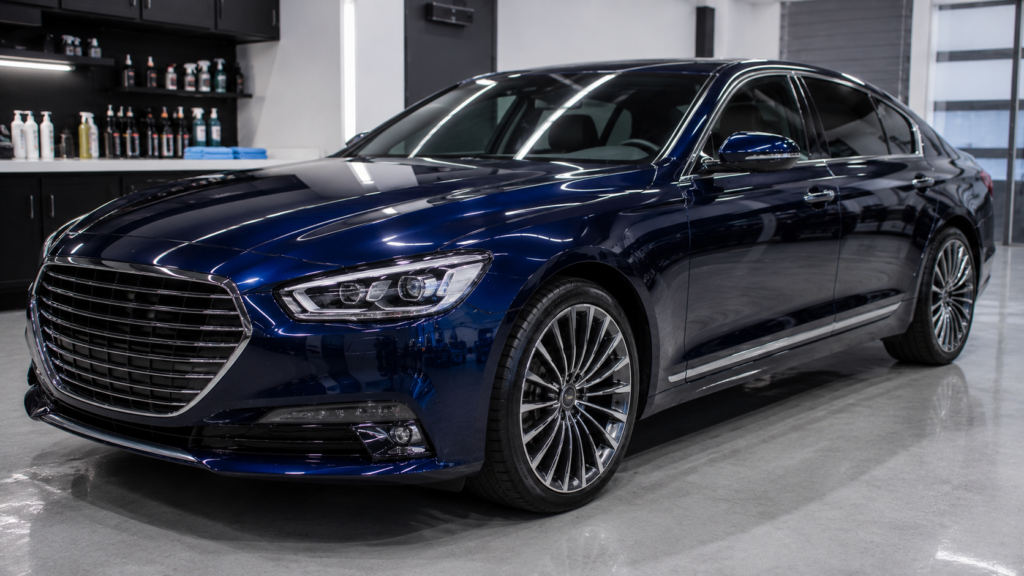
Most professional ceramic coatings last anywhere from 2 to 5 years, with some high-grade professional systems lasting even longer when properly maintained. Unlike traditional car waxes or synthetic paint sealants that wear off in a few weeks or months, ceramic coatings form a durable chemical bond directly with your vehicle’s clear coat. If you are considering this upgrade for your vehicle in Santa Clarita, understanding what factors impact coating lifespan will help you maximize your investment in vehicle paint protection. Key Factors That Determine Ceramic Coating Lifespan Not all ceramic coatings deliver the exact same durability. Several factors influence how long the protective layer remains effective on your paint: Surface Preparation: Proper paint correction and deep cleaning are essential before installation. Removing contaminants, swirl marks, and oxidation ensures the coating bonds directly to the clear coat. Product Grade: Consumer DIY sprays contain lower concentrations of silicon dioxide (SiO2) and typically last a few months to a year. A professional ceramic coating utilizes heavy-duty formulas designed to last for years. Application and Curing: Correct application technique and adequate cure time in a controlled environment directly influence chemical bonding strength. How Santa Clarita Climate Impacts Your Coating Environmental conditions play a direct role in how rapidly any exterior paint protection wears down. Drivers in the Santa Clarita Valley face specific local challenges: The combination of intense Southern California sun, high thermal exposure during summer, and airborne dust can accelerate paint oxidation if left unprotected. A ceramic coating acts as a resilient sacrificial barrier against UV rays, industrial fallout, and road grime. However, constant exposure to direct heat and sunlight means regular care remains necessary to keep the hydrophobic layer performing at its peak. DIY vs. Professional Coating Durability While over-the-counter ceramic sprays are popular for quick touch-ups, they do not offer the same longevity as professionally installed coatings. DIY products generally sit on top of the surface rather than forming a deep chemical bond. They provide short-term gloss and slickness, usually lasting between 3 to 12 months. Professional-grade coatings require precise surface preparation, special lighting, and expert application techniques, resulting in a durable shell that withstands repeated washing and heavy environmental stress for multiple years. How to Maximize the Durability of Your Coating While ceramic coatings make your vehicle significantly easier to wash, they are not maintenance-free. To ensure your coating lasts as long as possible: Wash your car every two to three weeks using a pH-neutral shampoo. Use the two-bucket wash method with clean microfiber mitts to prevent swirl marks. Avoid automated brush car washes, which rely on abrasive bristles and harsh chemicals that degrade protection. Periodically apply a dedicated booster spray to nourish the underlying hydrophobic layer. Frequently Asked Questions Does ceramic coating last forever? No, ceramic coating is not permanent. Over time, physical friction from washing, exposure to environmental contaminants, and UV rays will gradually break down the coating layers. Regular washing and periodic maintenance help preserve its lifespan for as long as possible. Can you wash your car right after ceramic coating? No, you should avoid washing your vehicle or getting it wet for at least 7 days after application. This allows the coating to cure completely and form a strong chemical bond with the clear coat without interference from water or soap. Protect Your Finish Today Looking for long-lasting ceramic coating in Santa Clarita? Pristine Auto Care provides professional vehicle paint protection tailored to local driving conditions, keeping your car glossy and protected year-round.
What Is Ceramic Coating? A Guide for Car Owners | Santa Clarita
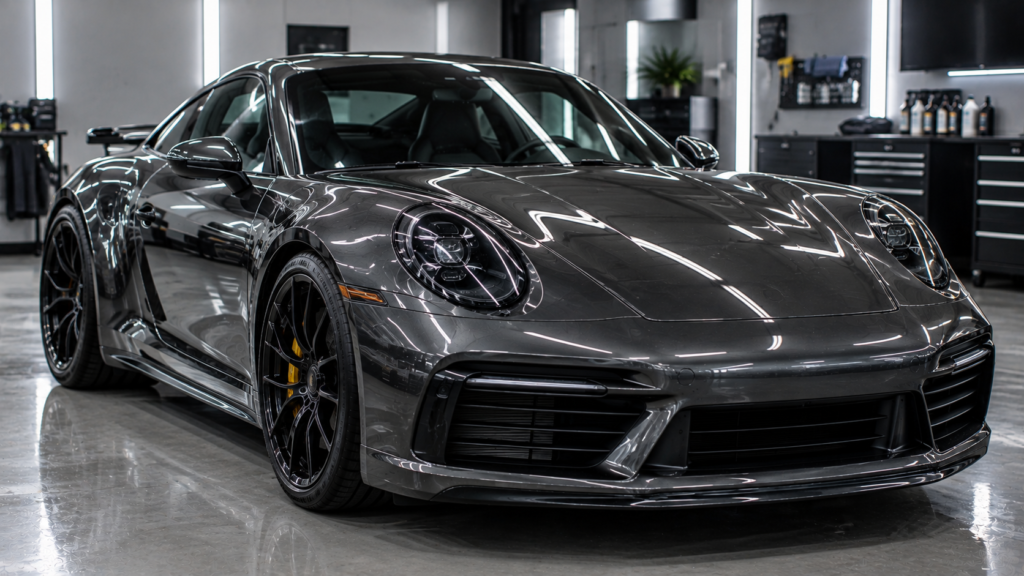
A ceramic coating is a liquid polymer formula containing silicon dioxide ($SiO_2$) that chemically bonds with your vehicle’s factory clear coat. Once applied and cured, it hardens into a durable, hydrophobic protective layer over your paint. Unlike traditional car wax that sits loosely on top of the panels, a ceramic coating forms a semi-permanent barrier that repels water, resists environmental contaminants, and shields your exterior from UV damage. Understanding how ceramic coatings work helps vehicle owners make informed decisions about protecting their automotive investment. What Ceramic Coating Is (And What It Isn’t) Because ceramic coatings have become so popular in the detailing industry, several common misconceptions exist regarding what the product can actually accomplish. What It Is: A Semi-Permanent Bond: Liquid nanoceramic molecules cross-link with polyurethane clear coat pores, creating a seamless, glass-like top layer. A Hydrophobic Barrier: The low surface tension forces liquids to form tight droplets that roll off easily, carrying loose surface dust along with them. A UV and Chemical Shield: The inorganic structure resists breakdown from intense solar radiation, acidic bird droppings, and mineral-heavy water. What It Isn’t: Not Scratch-Proof or Chip-Proof: Liquid coatings are extremely thin (1 to 3 microns) and cannot absorb high-speed gravel impacts. For physical rock chip defense, pairing a coating with Paint Protection Film is required. Not Maintenance-Free: Coated vehicles still accumulate airborne road film and dust, requiring periodic hand washing to maintain hydrophobic performance. The Key Benefits of Vehicle Paint Protection Applying a professional ceramic coating offers several long-term advantages over basic wax or spray sealants: Long-Lasting UV Defense: Solar radiation breaks down factory clear coats, causing dark colors to fade and oxidize. Ceramic coatings absorb UV rays and resist high temperatures without melting away. Self-Cleaning Hydrophobic Properties: The ultra-smooth surface makes it difficult for road grime, pollen, and tree sap to adhere tightly to the body panels. Deep Optical Clarity: The coating fills microscopic clear coat surface imperfections, resulting in a deeper mirror reflection and rich color depth. Easier Maintenance Washes: Dirt slides off effortlessly during routine washing, drastically shortening the time needed to clean your car. [INLINE IMAGE PROMPT: Macro photograph of water droplets forming uniform spherical beads on a dark blue ceramic-coated vehicle hood under soft shop lighting. 16:9 aspect ratio, photorealistic, sharp focus, no text, no logos. ALT TEXT: Close-up macro photograph of hydrophobic water beading on a dark blue coated car hood.] How Ceramic Coating Compares to Traditional Car Wax Traditional carnauba wax is an organic substance that rests on top of your paint. Because it has a low melting point, summer heat and routine car washes dissolve wax within 4 to 8 weeks. In contrast, a ceramic coating utilizes inorganic silicon dioxide ($SiO_2$). It withstands high heat, resists detergent soaps, and stays bonded to the clear coat for multiple years rather than a few weeks. Why Ceramic Protection Matters in Santa Clarita Driving in the Santa Clarita Valley subjects vehicle finishes to intense sun exposure, dry summer wind, and airborne dust along the I-5 and Route 14 freeways. Unprotected paint exposed to long parking hours in Valencia or Saugus oxidizes and loses clarity rapidly. Applying a ceramic coating provides the necessary UV barrier to preserve your factory paint and simplify weekly cleaning routines. Combining professional installation with proper Auto Detailing maintenance ensures your coating performs like new year after year. Frequently Asked Questions How long does a ceramic coating last? A professional ceramic coating typically lasts between 2 and 5 years depending on the formula, surface preparation, and ongoing hand-washing habits. Can I wash my car normally after getting a ceramic coating? Yes, but you should wait 7 days after application for full chemical curing. After the cure period, hand-wash the car every two weeks using a pH-neutral car soap and soft microfiber wash mitts. Looking for Ceramic Coating in Santa Clarita? Pristine Auto Care provides professional ceramic coating services designed to protect your vehicle’s paint against California sun and daily environmental wear.
How to Maintain a Ceramic Pro Coated Vehicle: Complete Care Guide
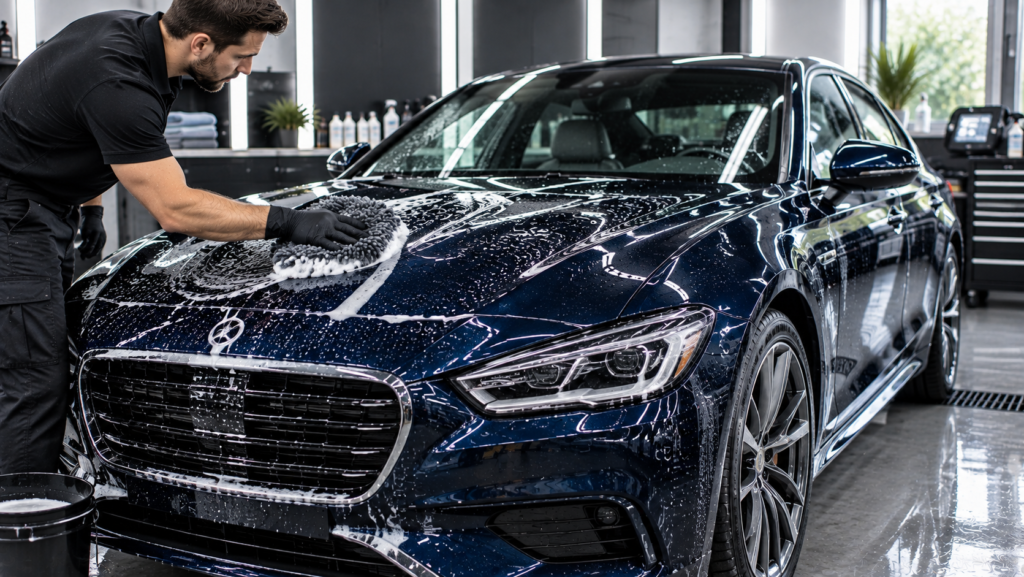
Applying Ceramic Pro nanoceramic protection gives your vehicle long-lasting gloss, extreme water repellency, and strong defense against environmental contamination. However, preserving those protective qualities requires proper ongoing care. While nanoceramic coatings offer self-cleaning properties, improper washing habits can cover the coating’s hydrophobic layer with dirt buildup or create light surface micro-marring. Following a straightforward maintenance routine ensures your Ceramic Pro coating performs at its best for years while keeping your paint looking factory-fresh. Wash Using Safe Hand-Washing Methods How you wash your vehicle is the single most important factor in maintaining a nanoceramic coating. Practice the Two-Bucket Method: Use one bucket filled with soapy water and a second bucket with clean rinse water fitted with grit guards. Rinsing your microfiber wash mitt in the clean water bucket before dipping back into the soap prevents trapped dirt from dragging across body panels. Choose pH-Neutral Shampoo: Wash exclusively with gentle car soaps free from heavy waxes, silicones, or aggressive degreasers. Soaps containing wax leave residues that temporarily clog the coating’s microscopic pores, dulling its hydrophobic water-beading performance. Wash Out of Direct Sun: Cleaning your vehicle in the shade or during cooler morning hours prevents tap water and soap from drying rapidly on hot metal panels, stopping mineral spots before they form. Avoid Automated Brush Car Washes Protecting your investment means keeping your car away from mechanical drive-through car washes. Spinning nylon brushes at automated wash facilities hold abrasive dirt, sand, and gravel from every vehicle that entered before yours. Dragging those stiff, dirty brushes across your paint creates fine swirl marks and abrades the coating’s slick top layer over time. Stick to safe hand washing or professional hand detailing services. Handle Spot Contaminants Promptly Driving in the Santa Clarita Valley exposes vehicles to intense afternoon sun, seasonal dust, and bird droppings. While Ceramic Pro provides high chemical resistance, leaving acidic bird droppings, bug splatter, or tree sap baked on hot paint under direct sunlight for days can eventually impact the surface. If spot contaminants land on your vehicle between regular washes: Spray the affected spot with a dedicated ceramic detail spray or distilled water. Let the liquid soften the dried debris for 30 to 60 seconds. Lightly wipe the debris away using a clean, plush microfiber towel without scrubbing or applying heavy pressure. Apply Periodic Silica Ceramic Boosters Over months of daily driving, road film and airborne minerals gradually build up on top of the coating. Applying an approved ceramic booster or maintenance spray every 3 to 4 months revitalizes the hydrophobic top layer, restores slickness, and helps water sheet off panels effortlessly. For complete vehicle maintenance routines and professional care, explore our comprehensive options. Frequently Asked Questions How often should I wash a Ceramic Pro coated car? Washing your vehicle every two weeks is recommended to prevent airborne dust, pollen, and road grime from building up and clogging the hydrophobic layer. Can I use quick detailer sprays on Ceramic Pro? Yes, provided the detail spray is formulated for ceramic coatings or is free from heavy natural waxes. Using ceramic-specific detail sprays helps refresh slickness between regular hand washes. Looking for Ceramic Pro Maintenance in Santa Clarita? Pristine Auto Care provides professional hand washing and detailing maintenance services designed to keep your ceramic coating performing at peak levels.
Ceramic Pro and PPF: Why Combine Coating and Film? | Santa Clarita
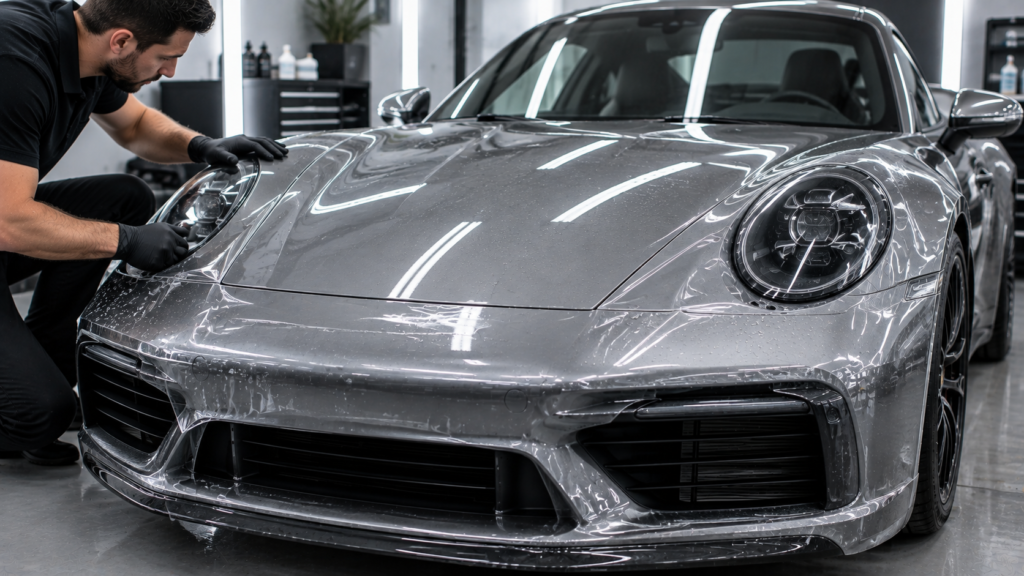
Combining Paint Protection Film (PPF) and Ceramic Pro provides the ultimate defense for your vehicle’s exterior. While both products protect your clear coat, they are engineered for completely different types of damage. PPF provides a thick, shock-absorbing physical shield to stop rock chips and deep scratches, while an application adds an ultra-slick, chemical-resistant hydrophobic layer over the film and the rest of the paint. Using both protection systems together ensures your vehicle is protected against mechanical impacts as well as UV fading, chemical stains, and daily road grime. How PPF and Ceramic Pro Perform Different Roles To understand why pairing these treatments is so effective, it helps to look at what each protective layer does individually: Paint Protection Film (PPF): PPF is a thick polyurethane film installed on high-impact areas like front bumpers, hoods, side mirrors, and fenders. Its physical elasticity absorbs the energy of flying gravel, road debris, and heavy scratches that would otherwise gouge factory paint. Ceramic Pro Nanotechnology: Ceramic Pro is a liquid nanoceramic formula that chemically bonds with automotive clear coat and film surfaces. It lowers surface energy, creating extreme hydrophobicity, UV resistance, and visual gloss depth. While PPF excels at stopping physical impacts, it lacks the extreme self-cleaning water repellency and chemical resistance of a ceramic formula. Conversely, a ceramic coating cannot prevent heavy rock chips on its own. Applying Ceramic Pro over PPF bridges the gap between mechanical defense and surface slickness. The Key Advantages of Applying Ceramic Pro Over PPF Installing a nanoceramic coating on top of clear bra film enhances both the performance and longevity of the film itself: Prevents Film Staining: Untreated PPF can absorb environmental contaminants over time. Ceramic Pro seals the film’s microscopic pores, protecting it from acidic bird droppings, bug splatter, and harsh road oils. Keeps Film Easy to Clean: The coating’s low surface energy forces water to bead up and sheet off panels. Road dust and dirt rinse away effortlessly during routine hand washes. Enhances Optical Clarity: Nanoceramic coatings deepen paint gloss and clarity, ensuring the protective film blends seamlessly with uncoated adjacent panels. Extends Film Appearance: By blocking damaging ultraviolet radiation, the ceramic layer helps prevent the clear film from aging or yellowing prematurely under continuous sun exposure. Strategic Protection for Santa Clarita Drivers Driving in the Santa Clarita Valley exposes vehicles to specific hazards daily. Commuting along the I-5 or Route 14 frequently kicks up loose gravel, construction debris, and pavement grit that chip unprotected front bumpers. Meanwhile, intense summer heat and high thermal radiation breakdown standard clear coats. A popular strategy for local vehicle owners involves: Installing Paint Protection Film across high-impact front zones (front bumper, full hood, fenders, and side mirrors) to stop rock chips. Applying Ceramic Pro across the entire vehicle—over the installed film as well as all remaining painted panels, wheels, and glass—for comprehensive UV and chemical protection. Maintaining this combined protection requires simple hand washing with pH-neutral soap every two to three weeks. Exploring routine Auto Detailing services helps keep both the film and ceramic top layer in peak condition. Frequently Asked Questions Can you apply Ceramic Pro over existing PPF? Yes. Ceramic Pro is specially formulated to bond securely to quality paint protection films without compromising the film’s self-healing capabilities or clear appearance. Will ceramic coating prevent rock chips if I don’t get PPF? No. Liquid ceramic coatings cure to an ultra-thin barrier designed for chemical resistance and UV defense. They do not have the physical thickness needed to absorb high-speed gravel impacts without PPF underneath. Looking for Vehicle Paint Protection in Santa Clarita? Pristine Auto Care provides professional paint protection film installation and Ceramic Pro coating services tailored to your vehicle and driving routine.