Ceramic Pro vs Traditional Wax: Key Differences Explained | Santa Clarita
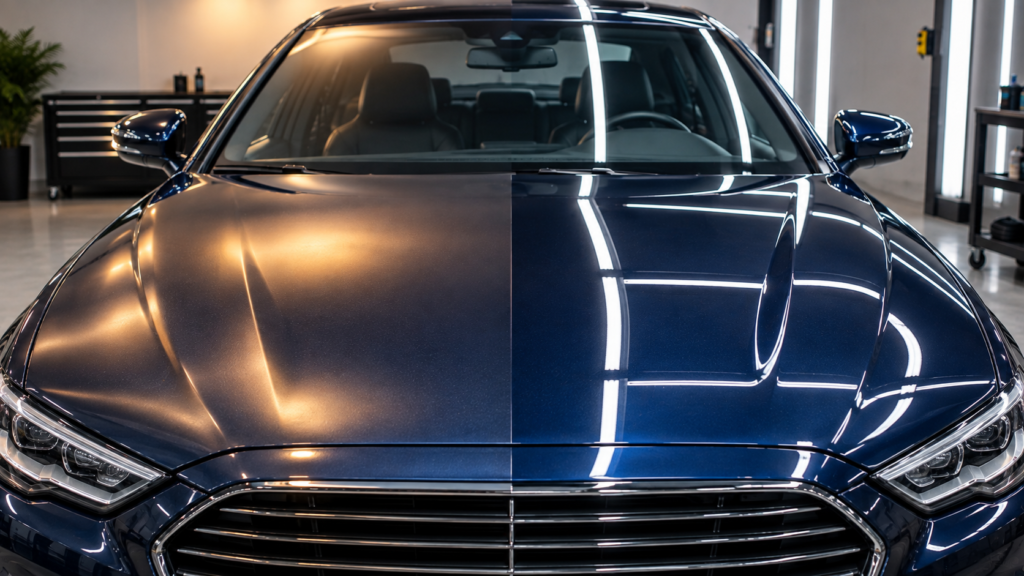
When evaluating paint protection options for your vehicle, comparing Ceramic Pro to traditional car wax reveals two fundamentally different technologies. Traditional car wax provides a temporary surface shine that lasts several weeks, whereas Ceramic Pro nanoceramic formulas chemically bond with your factory clear coat to deliver long-lasting hydrophobic performance, chemical defense, and UV protection. For drivers seeking durable paint defense against sun exposure and daily road film, understanding these key differences helps you choose the right solution for your vehicle care routine. Fundamental Differences in Bonding Technology The primary distinction between car wax and Ceramic Pro lies in how each product interacts with your paint surface. Traditional Wax: Carnauba and synthetic waxes sit on top of the clear coat as a soft, sacrificial layer. Because wax does not form a chemical bond with the surface, ambient weather, rain, and detergent washes continuously break it down. Ceramic Pro Nanotechnology: Liquid nanoceramic coatings fill the microscopic pores of your factory clear coat. As the formula cures, it forms a semi-permanent bond, creating a hard, smooth surface layer that resists environmental degradation. Thermal Defense and Heat Resistance In warm climates like the Santa Clarita Valley, direct sunlight and summer heat present constant challenges for vehicle exteriors. Dark body panels frequently reach high surface temperatures during afternoon hours. Natural carnauba wax has a low melting threshold and breaks down rapidly under thermal stress, often losing protective qualities within a few weeks of exposure to hot weather. An application withstands significantly higher temperatures without softening, melting, or washing away during routine cleaning. Maintenance Effort and Water Repellency Maintaining a waxed car requires frequent reapplication—typically four to six times a year—to keep the finish glossed and protected. Because wax lacks low surface energy, dirt, brake dust, and road oil cling to the soft surface, requiring effort during hand washes. Ceramic Pro creates a slick, hydrophobic finish with low surface energy. Water beads up into tight droplets and sheets off panels quickly, taking loose surface dust and grime along with it. Routine hand washing becomes much faster because environmental film cannot embed deeply into the clear coat pores. Incorporating routine Auto Detailing upkeep helps keep the slick surface performing like new over time. Comparing Upfront Costs to Long-Term Value Traditional wax appears economical initially due to low product prices and minimal preparation requirements. However, multiplying the cost of materials, time, and labor across several reapplication cycles per year adds up over vehicle ownership. Ceramic Pro requires a higher initial investment. This stems from the intensive preparation required before application, including chemical decontamination and surface polishing to ensure clean bonding. However, because a professional coating lasts for years rather than weeks, it provides greater long-term value for daily commuters and automotive enthusiasts alike. Frequently Asked Questions Can you apply traditional car wax over Ceramic Pro? It is not recommended. Applying wax over a nanoceramic coating masks the coating’s hydrophobic properties. Wax attracts more surface dust and reduces the self-cleaning effect provided by the underlying ceramic layer. How do I safely wash a Ceramic Pro coated car? Wash your vehicle every two weeks using a pH-neutral car shampoo, soft microfiber wash mitts, and the two-bucket wash method. Avoid automatic brush car washes, as heavy mechanical bristles can leave surface swirl marks. Looking for Ceramic Pro in Santa Clarita? Pristine Auto Care provides professional nanoceramic coating installations designed to shield your vehicle’s paint against California heat and daily road grime.
How Long Does Ceramic Coating Last? What You Need to Know | Santa Clarita
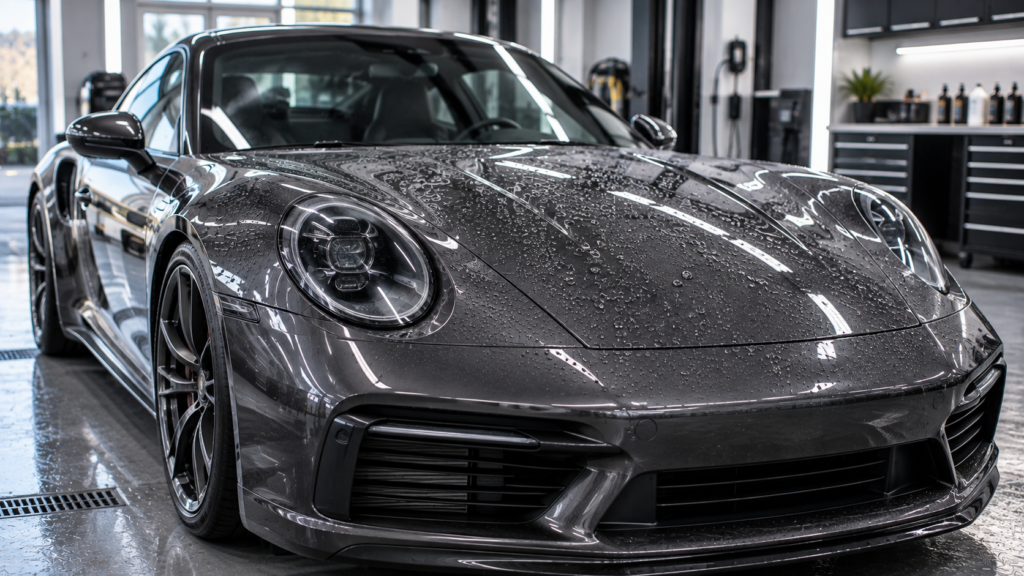
A professionally applied ceramic coating typically lasts anywhere from 2 to 5 years or more, while consumer-grade DIY sprays generally last between 6 and 12 months. The actual lifespan of any coating depends on product quality, surface preparation, and how well the vehicle is maintained. For drivers in Santa Clarita, environmental factors like intense summer heat, strong UV exposure, and ambient dust also influence how long that protective layer performs at its best. Professional vs. Consumer Ceramic Coatings Not all ceramic coatings offer the same durability. The gap in longevity usually comes down to chemical formulation and application process: Professional Ceramic Coatings: Formulated with higher concentrations of silicon dioxide (SiO2). These coatings form a semi-permanent chemical bond with your vehicle’s clear coat. They require thorough paint prep and professional installation, yielding multiple years of durability. DIY Sprays and Consumer Formulas: Designed for easy home application. While they provide great gloss and hydrophobic water-beading, they form a weaker surface bond and wear away much faster under routine washing and weather exposure. Key Factors That Influence Coating Lifespan Even a high-grade coating needs the right conditions to reach its maximum lifespan. Surface Preparation Before applying a ceramic coating, the paint must be completely free of contaminants, oxidation, and micro-scratches. Proper washing, clay bar decontamination, and paint correction ensure the coating bonds directly to the clear coat. Skipping proper surface prep significantly reduces durability. Local Climate and Parking Conditions Southern California sunshine delivers continuous UV radiation, which accelerates surface degradation over time. A vehicle parked outside daily in the Santa Clarita Valley will experience faster coating wear than a vehicle stored in a garage overnight. Maintenance Routine How you clean your vehicle directly affects the coating’s longevity. Abrasive cleaning techniques strip the hydrophobic top layer faster, leading to premature wear. How to Maximize Your Coating’s Lifespan To get the most years out of your investment, follow a proper ceramic coating maintenance schedule: Hand Wash Only: Use the two-bucket wash method with a soft microfiber wash mitt to minimize physical friction. Use pH-Neutral Soaps: Avoid harsh detergents, household cleaners, or aggressive degreasers that break down chemical sealant layers. Avoid Touch Car Washes: Automated drive-through washes use heavy brushes that hold dirt and cause severe swirling and premature coating wear. Apply periodic Boosters: Using a dedicated ceramic booster spray every few months helps refresh the coating’s top layer and maintains intense water-beading properties. Signs It Is Time for Maintenance or Reapplication Over time, your coating will gradually wear down. You will know it is losing effectiveness when: Water no longer beads up into tight spheres, but sheets flat on the surface. Dirt and grime stick to the paint more easily than before. The slick, smooth feel of the paint surfaces starts to fade. Frequently Asked Questions Does ceramic coating last forever? No. While professional ceramic coatings offer multi-year protection, they are not permanent. Over time, physical wear, environmental fallout, and chemical exposure will slowly degrade the bond. Will garage parking help my ceramic coating last longer? Yes. Parking inside protects your vehicle from continuous UV rays, bird droppings, tree sap, and dust, significantly extending the life of your coating. Looking for Ceramic Coating in Santa Clarita? Pristine Auto Care provides professional ceramic coating services designed to protect your vehicle against tough local climate conditions and keep your finish looking deep and glossy.
How Does Ceramic Coating Work? The Science of Vehicle Protection | Santa Clarita
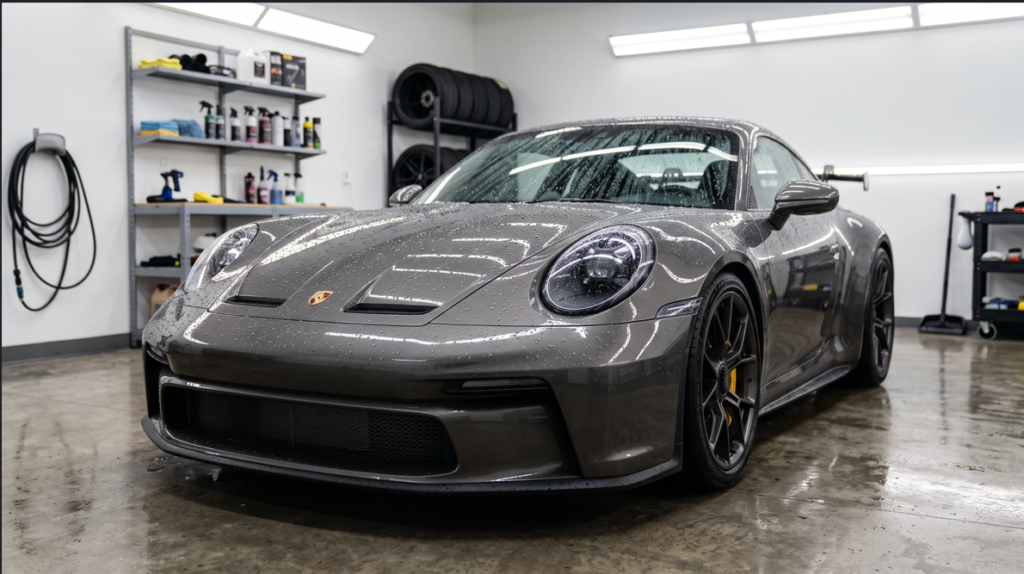
Ceramic coating works by forming a semi-permanent chemical bond with your vehicle’s clear coat at a microscopic level. Formulated primarily with silicon dioxide ($SiO_2$), liquid ceramic coatings fill the porous valleys of your factory paint. Once cured, the coating transforms into a hard, hydrophobic, transparent layer that repels water, resists chemical contamination, and shields your exterior from solar heat and UV radiation. Understanding how ceramic coating technology operates helps vehicle owners appreciate why it outperforms traditional waxes and spray sealants. The Chemistry of Ceramic Coating To understand how ceramic coatings protect paint, it helps to look closely at factory automotive clear coat. Under magnification, clear coat surfaces are not entirely flat—they contain microscopic ridges, valleys, and pores. When a professional ceramic coating] is applied, the liquid formula initiates a process called cross-linking: Nanotechnology Penetration: Microscopic ceramic particles settle deep into the clear coat’s pores. Chemical Cross-Linking: As the liquid solvents evaporate, the active silicon dioxide molecules bond directly with the polyurethane clear coat rather than simply resting on top. Curing into a Solid Layer: The cured barrier creates a dense, non-porous outer surface with high chemical resistance and structural stability. Lowering Surface Energy for Hydrophobic Beading One of the most noticeable features of a coated car is extreme water repellency, known as hydrophobicity. Unprotected paint has relatively high surface energy, allowing water, dirt, and oil to spread out and stick to the surface. Ceramic coatings significantly lower the paint’s surface energy. This low surface energy forces liquid to pull inward on itself, forming tight, elevated water droplets. As water rolls off the body panels, it picks up loose surface dust and dirt particles. This self-cleaning effect keeps your vehicle looking cleaner for longer between routine washes. Shielding Clear Coat from Heat and UV Exposure In regions like Santa Clarita and Valencia, continuous sunlight and high summer temperatures pose a constant threat to automotive clear coats. Ultraviolet (UV) radiation breaks down the organic molecules in factory paint, leading to oxidation, color fading, and clear coat failure. Because silicon dioxide ($SiO_2$) is an inorganic compound, it does not react to UV light or breakdown under thermal heat like natural carnauba wax. The ceramic layer absorbs and deflects solar energy, preserving the depth and clarity of the base coat beneath. Additionally, the smooth surface prevents acidic environmental contaminants—such as bird droppings, tree sap, and hard water minerals—from etching directly into the paint. To maximize these benefits, maintaining your coating with safe Auto Detailing practices keeps the protective barrier performing at its best. Frequently Asked Questions Does ceramic coating add measurable thickness to clear coat? Yes, but it is extremely thin. A professional ceramic coating typically adds between 1 to 3 microns of protective thickness to your factory clear coat layer. Why does ceramic coating require machine polishing before application? Polishing removes swirl marks and strips old oils from the paint. Because ceramic coating creates a clear, chemical bond with the surface, any remaining defects or oils would prevent proper adhesion and be sealed permanently underneath. Looking for Ceramic Coating in Santa Clarita? Pristine Auto Care provides expert surface preparation and professional ceramic coating installations to protect your vehicle against California weather and road conditions.
Ceramic Coating for Daily Drivers: Is It Worth the Investment in Santa Clarita?
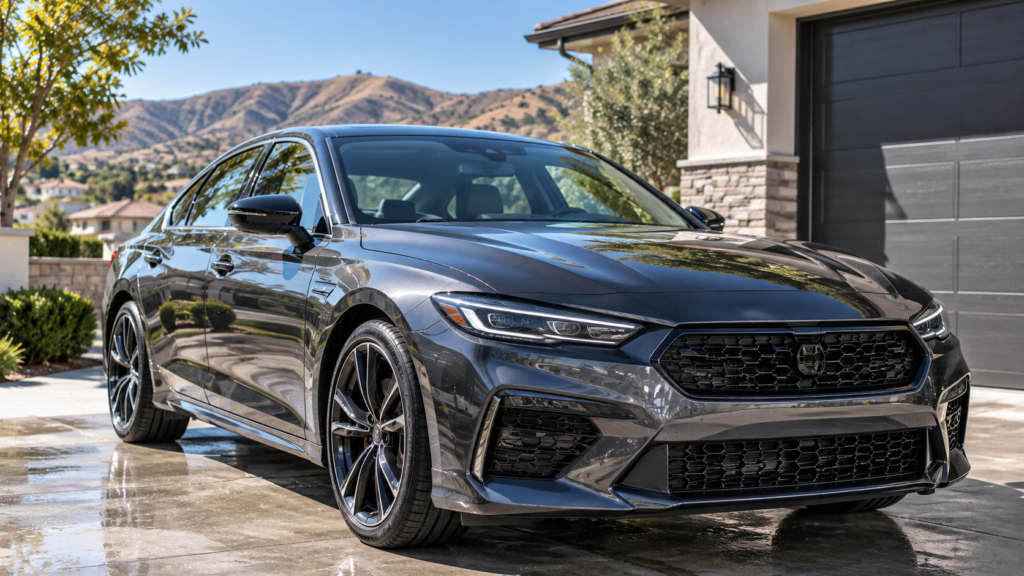
Driving a daily commuter in Santa Clarita takes a continuous toll on your vehicle’s exterior finish. Daily commutes along the I-5 and Route 14 subject your car to flying road grime, severe solar heat, and blowing dust. While many vehicle owners assume ceramic coatings belong only to weekend show cars or exotic vehicles, daily drivers actually benefit the most from long-term surface protection. A professional ceramic coating shields your commuter car from everyday environmental wear while keeping routine maintenance fast and effortless. The Daily Commute Hazards in the Santa Clarita Valley Daily drivers face constant exposure to localized environmental threats. Understanding what your car encounters every day highlights why standard factory clear coats deteriorate so quickly: Highway Debris and Road Film: Commuting creates a layer of oily exhaust residue, asphalt tar, and road grime that sticks tightly to lower body panels. Relentless UV Radiation: Long hours spent parked in open workplace parking lots in Valencia or Saugus expose paint to intense ultraviolet rays, leading to premature clear coat oxidation. Blowing Dust and Pollen: High winds across the Santa Clarita Valley carry abrasive dust and seasonal pollen that settle into clear coat micro-pores. Acidic Environmental Fallout: Bird droppings and tree sap bake quickly onto hot metal surfaces under the California sun, causing permanent chemical etching if left untreated. How Ceramic Coating Simplifies Daily Driver Maintenance The primary advantage of applying ceramic protection to a daily driver is how much time and effort it saves on routine upkeep. Silicon dioxide ($SiO_2$) formulas form a non-porous, hydrophobic layer over your factory finish. Because dirt and grime cannot adhere firmly to this ultra-smooth barrier, water beads up and slides off, carrying away surface dust. Routine hand washing becomes a quick, simple task rather than a grueling scrub. Additionally, daily drivers protected by ceramic coatings stay visually cleaner between washes, maintaining a fresh appearance even after a week of heavy highway driving. Protecting Resale and Trade-In Value For daily drivers, exterior condition directly impacts future financial return. Vehicles with faded paint, heavy water spot etching, or dull clear coats command significantly lower trade-in values at dealerships and secondary markets. Investing in a ceramic coating preserves the factory finish throughout your ownership. By locking in clear coat depth and preventing UV-induced breakdown, your commuter car maintains a well-cared-for appearance. Pairing your coating with routine Auto Detailing upkeep ensures the exterior remains in top shape for years to come. What Daily Driver Owners Should Expect While ceramic coatings provide exceptional daily protection, setting realistic expectations is essential for commuter car owners: Impact Protection: Ceramic coatings will not prevent rock chips from gravel kicked up on the freeway. For physical impact defense on front bumpers and hoods, consider combining your coating with Paint Protection Film. Routine Washing Required: Ceramic coatings are self-cleaning to a degree, but they are not maintenance-free. Regular hand washes are still needed to keep the hydrophobic layer clear of stubborn road film. Frequently Asked Questions Is ceramic coating practical for an inexpensive daily driver? Yes. Protecting the clear coat on any daily driver preserves its appearance and resale value while drastically reducing the time spent on frequent washing and waxing over several years of ownership. How often does a daily driver need ceramic coating maintenance? A daily driver should be hand-washed every two to three weeks with a pH-neutral shampoo. Applying a ceramic booster spray every few months helps maintain peak hydrophobic water-beading performance. Looking for Ceramic Coating in Santa Clarita? Pristine Auto Care offers professional ceramic coating installations designed to keep daily drivers looking factory-new despite tough commuting conditions.
How California Sun Affects Car Paint (And How to Protect It) | Santa Clarita
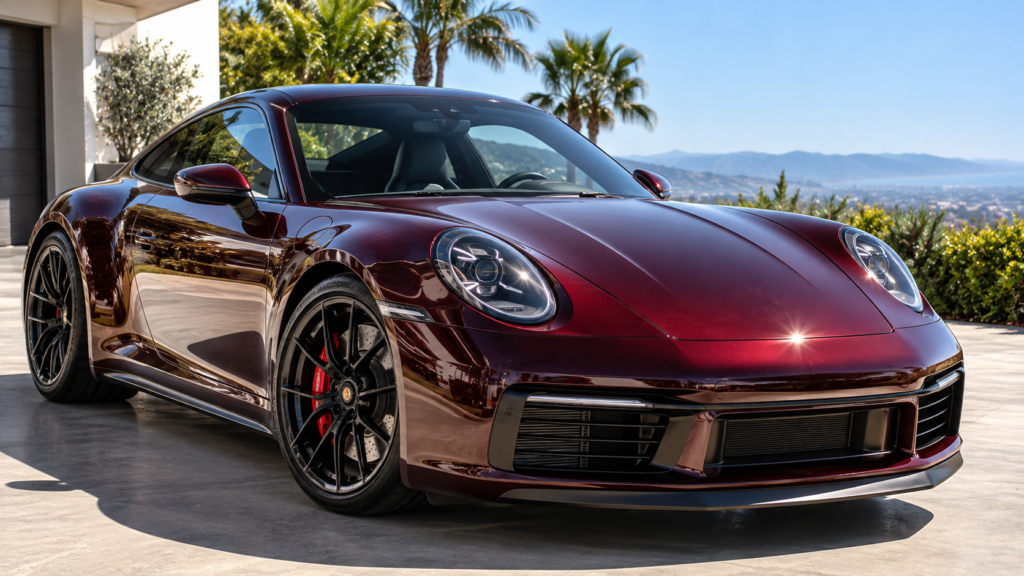
California is known for sunny weather, but continuous solar exposure is one of the leading causes of automotive exterior damage. Intense ultraviolet (UV) radiation combined with high summer temperatures breaks down your vehicle’s factory clear coat over time. This leads to color fading, loss of gloss, and permanent paint oxidation. Protecting your vehicle from sun damage requires a durable surface barrier that resists extreme heat. Applying a professional ceramic coating shields your vehicle’s clear coat from harmful UV rays, locking in factory gloss and preventing premature paint aging. How UV Radiation Causes Paint Oxidation Automotive paint consists of multiple layers: primer, base coat (color), and a protective clear coat layer on top. The clear coat acts as a shield for the color underneath, but standard clear coats remain vulnerable to continuous solar radiation. Chemical Breakdown: UV rays break down the molecular bonds within the clear coat. Over time, the clear coat weakens, becomes porous, and loses its smooth texture. Oxidation: As the clear coat degrades, oxygen reacts with the exposed paint pigments. This chemical process causes dark colors to fade, red shades to turn pinkish, and white paint to look dull or chalky. Thermal Expansion: High surface temperatures in regions like Santa Clarita cause metal panels to expand and contract daily. This thermal stress accelerates clear coat cracking and surface dullness. Early Signs of Sun Damage on Your Vehicle Sun damage occurs gradually over several years. Catching the early warning signs allows you to restore and protect the paint before clear coat failure occurs. Loss of Optical Clarity: The paint surface no longer reflects light like a clean mirror and looks slightly hazy or cloudy under direct sunlight. Uneven Fading: Flat horizontal surfaces that receive the most direct sunlight—such as the hood, roof, and trunk lid—fade faster than vertical side panels. Rough Surface Texture: The clear coat feels rough to the touch even after a thorough hand wash due to micro-pitting caused by UV exposure. How Ceramic Coating Provides Long-Term UV Protection Traditional car waxes melt when surface temperatures rise on hot summer afternoons, leaving paint unprotected within weeks. Ceramic coatings provide superior thermal and UV resistance. A high-grade ceramic coating contains silicon dioxide ($SiO_2$). Once applied and cured, it forms a hard, transparent cross-linked layer over the factory clear coat. This layer does not melt under extreme heat and actively blocks UV radiation from penetrating down to the color layer. By sealing the microscopic pores of the clear coat, the coating keeps oxygen and moisture out, stopping paint oxidation before it starts. Simple Steps to Maximize Vehicle Sun Defense Combining a protective coating with smart maintenance habits ensures your paint stays in top condition year-round: Park in the Shade: Use garages, carports, or shaded parking spots during peak afternoon hours whenever possible. Apply Ceramic Protection: Protect your vehicle’s exterior with a Ceramic Coating service to establish a semi-permanent UV barrier. Maintain Routine Wash Habits: Clean dust and road film off your panels every two weeks. Layering dirt on hot paint traps heat and accelerates surface degradation. Explore our guide on routine Auto Detailing for optimal wash techniques. Frequently Asked Questions Can ceramic coating reverse existing paint oxidation? No. Ceramic coatings are transparent sealants that lock in the condition of the paint underneath. Heavy surface oxidation or chalkiness must be removed through multi-step machine polishing before applying a coating. Will ceramic coating prevent my clear coat from peeling? Yes, provided the clear coat is still healthy when the coating is applied. By blocking UV degradation and chemical contamination, ceramic coatings help prevent the clear coat breakdown that leads to peeling. Looking for Paint Protection in Santa Clarita? Pristine Auto Care offers professional ceramic coating installations designed to shield your vehicle’s finish against severe California sun and daily environmental wear.
What Is Ceramic Pro? Advanced Automotive Paint Protection
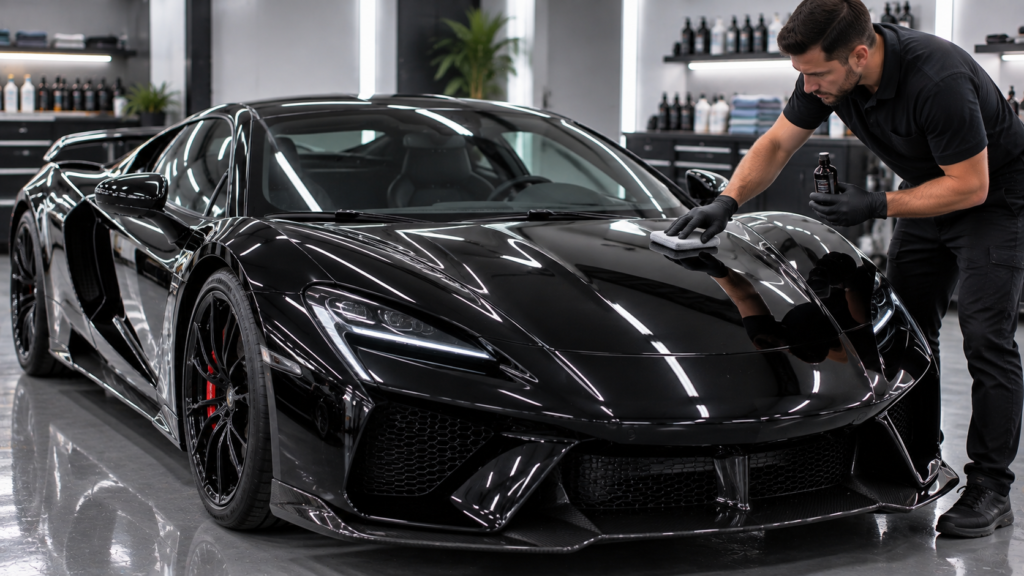
Ceramic Pro is a brand of protective surface coatings designed for automotive, marine, and industrial applications. In the auto detailing industry, Ceramic Pro refers to a line of heavy-duty nanoceramic liquid formulas containing silicon dioxide ($SiO_2$). Once applied by a trained professional, the liquid fills the microscopic pores of your factory clear coat to form a hard, hydrophobic, and chemically resistant protective barrier. Unlike temporary waxes or spray sealants, nanoceramic coatings form a semi-permanent bond with the paint, keeping your exterior looking high-gloss while protecting against severe solar heat, UV fading, and environmental contamination. How Ceramic Pro Technology Works Factory clear coats may feel completely smooth to the touch, but under microscopic inspection, clear coat surfaces are filled with tiny peaks and valleys. Dirt, brake dust, and tree sap easily lodge into these micro-pores, causing dullness and contamination over time. Nanoceramic coatings utilize nanoscale particles that settle deep into those surface valleys: Micro-Level Bonding: The liquid cross-links with the clear coat layer, creating an ultra-smooth, non-porous finish. Hydrophobic Performance: Water forms tight beads and rolls off body panels effortlessly, taking light surface dust and road film with it. UV and Chemical Shielding: The cured coating resists harsh environmental factors like acidic bird droppings, mineral spots, and ultraviolet light that breakdown untreated paint. How Ceramic Pro Differs From Traditional Wax Understanding the difference between traditional wax and nanoceramic protection comes down to durability and heat tolerance. Chemical Bonding: Wax sits on top of body panels as a soft sacrificial layer that degrades within a few weeks. Ceramic coatings chemically integrate with the paint surface. Heat Resistance: In warm regions like Santa Clarita and Valencia, afternoon ground temperatures melt away standard carnauba waxes rapidly. Ceramic coatings withstand high heat without breaking down. Maintenance Effort: A coated surface makes weekly cleaning significantly faster, as road grime cannot stick firmly to the smooth outer layer. Exterior Surfaces That Can Be Protected Nanoceramic formulas are engineered for various automotive materials beyond body paint panels: Paint Clear Coat: Shields primary body panels from oxidation, chemical staining, and wash micro-marring. Wheels and Calipers: Formulated for higher heat resistance to prevent hot brake dust from burning into aluminum wheel finishes. Automotive Glass: Increases rain visibility by repelling water and preventing wiper drag marks on windshields. Trim and Plastics: Keeps black plastic trim pieces from fading, turning gray, or chalking under direct sun exposure. For drivers looking for impact defense against physical rock chips on front bumpers or hoods, pairing a ceramic coating with Paint Protection Film (PPF) delivers total physical and chemical paint protection. Safe Maintenance for Coated Vehicles While nanoceramic coatings offer strong chemical protection, maintaining the top slick layer requires safe washing habits. Avoid automated brush car washes that drag coarse sand across clear coats. Washing your vehicle every two weeks using pH-neutral car soap and soft microfiber wash mitts preserves the hydrophobic layer for years. Learn more on our dedicated Ceramic Coating Santa Clarita landing page or review our comprehensive Auto Detailing guide. Frequently Asked Questions Is Ceramic Pro scratch-proof? No. While nanoceramic coatings increase clear coat surface hardness and resist minor wash swirls, they do not prevent heavy scratches, rock chips, or key marks. How long does a ceramic coating last on a daily driver? A ceramic coating’s lifespan depends on product quality, surface preparation, and wash habits. Professional multi-layer installations typically last anywhere from 2 to 5+ years with proper hand-washing care. Looking for Ceramic Coating in Santa Clarita? Pristine Auto Care offers professional ceramic coating installations tailored to protect your vehicle’s paint against California heat and road grime.
How to Choose a Ceramic Coating Installer in Santa Clarita
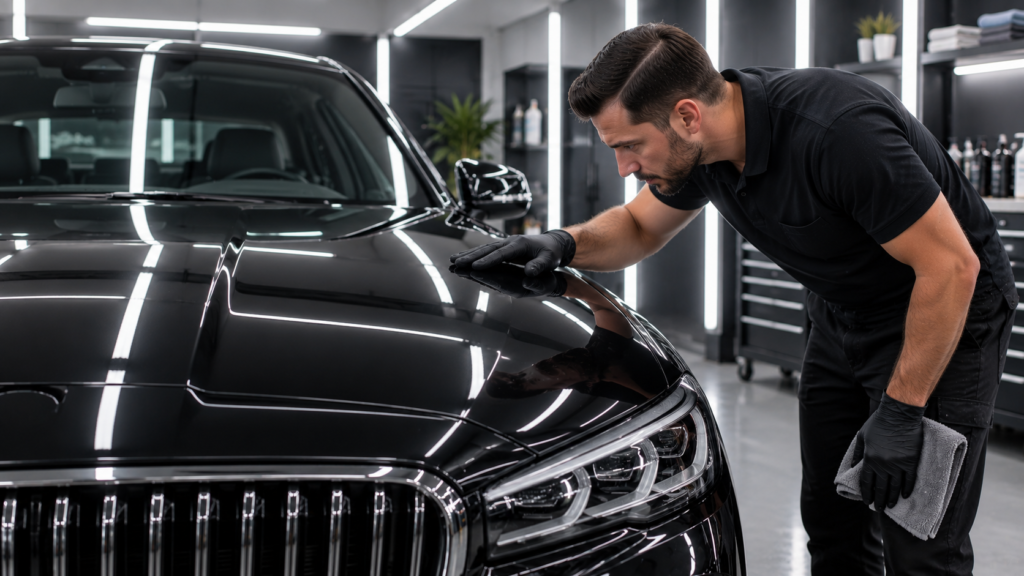
Investing in a ceramic coating is one of the best decisions you can make to protect your vehicle’s paint from harsh sunlight, dust, and environmental contamination. However, the performance and longevity of the coating depend heavily on the skill and preparation standards of the technician applying it. Because a ceramic coating seals your clear coat semi-permanently, choosing a qualified ceramic coating installer in Santa Clarita ensures your vehicle receives proper surface restoration, flawless liquid application, and lasting paint protection. Look for Thorough Paint Preparation Standards The secret to a durable ceramic coating lies in the preparation work performed before the bottle is even opened. A quality coating requires a bare, perfectly smooth clear coat to form a permanent chemical bond. When evaluating local auto care shops, ask about their multi-stage prep process. A qualified installer should always perform: Chemical Decontamination: Using dedicated iron removers to melt away embedded brake dust and rail dust from clear coat pores. Clay Bar Treatment: Pulling remaining bonded dirt and sap off the finish so panels feel glass-smooth. Paint Correction: Machine polishing the body panels to eliminate swirl marks, light scratches, and oxidation. An installer who skips or rushes Paint Correction will lock surface scratches directly under the hard coating layer, dulling your vehicle’s gloss. Evaluate the Shop Environment and Equipment Installing high-solids ceramic formulas requires a controlled setting. Liquid ceramic coatings flash and cure based on ambient room temperature and humidity levels. Indoor Application Bays: Coatings should never be installed outdoors or under mobile pop-up tents where direct sunlight, wind, and airborne dirt can contaminate the wet layer. Specialized Inspection Lighting: High-intensity LED lighting arrays are essential for detecting hidden swirl marks, high spots, and uneven coating leveling. Temperature Control: A clean, dust-free indoor bay allows the chemical cross-linking process to occur evenly across every panel. Demand Honest Communication and Realistic Expectations Be cautious of detailing shops that make exaggerated marketing claims. A reputable installer will always be transparent about what a coating can and cannot do. A trustworthy installer will explain that a professional ceramic coating: Provides chemical defense, UV resistance, and intense water repellency. Is not scratch-proof, rock-chip proof, or maintenance-free. Requires periodic hand washing with pH-neutral soap to keep the hydrophobic layer clean. If an installer claims their coating will prevent rock chips or never needs washing, look elsewhere. Check Aftercare Support and Local Reputation A great ceramic coating installer supports you long after you drive off the lot. Ask if the shop provides clear washing instructions, recommendations for safe maintenance products, or routine inspection wash services. Review local client feedback in Valencia, Newhall, and the broader Santa Clarita Valley. Look for consistent reviews highlighting detailed work, clear communication, and reliable customer service. Pairing expert installation with routine Auto Detailing practices keeps your vehicle’s finish looking factory-new for years. Frequently Asked Questions How long does a professional ceramic coating installation take? A thorough installation typically takes 1 to 3 days. This timeline allows sufficient hours for chemical decontamination, multi-step machine paint correction, precise coating application, and initial indoor curing time. Should paint correction be included before ceramic coating? Yes. Machine polishing is essential to remove clear coat imperfections and strip old waxes. Applying a ceramic coating over unpolished paint seals defects underneath and reduces the coating’s ability to bond securely. Looking for Ceramic Coating in Santa Clarita? Pristine Auto Care provides professional surface preparation, expert paint correction, and long-lasting ceramic coating installations for local drivers.
Ceramic Coating vs Paint Sealant: Which Is Better for Your Car? | Santa Clarita Auto Care
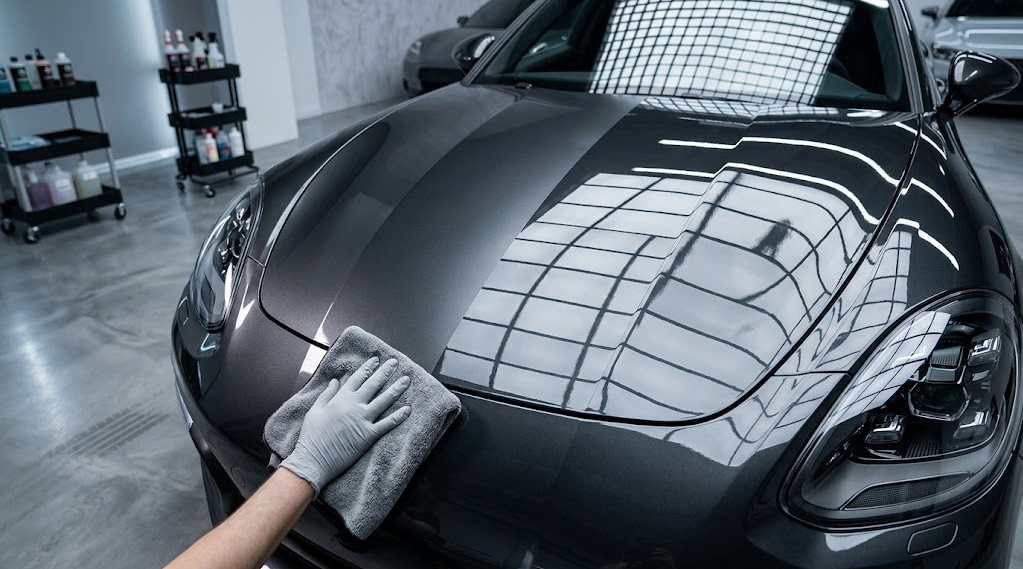
When comparing paint sealants and ceramic coatings, both options provide synthetic protection superior to traditional carnauba wax. However, they differ significantly in durability, chemical bonding, and long-term protection. Synthetic paint sealants sit on top of your vehicle’s clear coat as a sacrificial barrier, lasting between 4 and 6 months. A professional ceramic coating utilizes silicon dioxide ($SiO_2$) to form a semi-permanent chemical bond directly with the clear coat, delivering hydrophobic water repellency, UV protection, and gloss that lasts for years. What Is a Synthetic Paint Sealant? Paint sealants are liquid products formulated from synthetic polymers designed to adhere to automotive clear coat surfaces. Temporary Shield: Sealants rest on top of the paint, shielding the clear coat from light environmental contamination and oxidation. Moderate Durability: A quality paint sealant generally lasts 4 to 6 months before environmental exposure breaks down the polymer layer. Easy Application: Applying a sealant requires minimal curing time compared to ceramic coatings, making it a popular choice for quick detailing services or leased vehicles. What Is a Ceramic Coating? A ceramic coating is an advanced liquid polymer containing high concentrations of silicon dioxide ($SiO_2$). Once applied, it cross-links with your factory clear coat to form an ultra-hard, glass-like layer. Chemical Bonding: Rather than resting on the surface, ceramic coatings chemically integrate with the clear coat to create a semi-permanent finish. Multi-Year Lifespan: Professional ceramic coatings last anywhere from 2 to 5+ years, depending on the product formula and ongoing maintenance. Extreme Hydrophobicity: The coating lowers surface energy, causing water to bead tightly and roll off panels while taking surface dust and grime with it. Key Differences: Ceramic Coating vs. Paint Sealant Understanding how these two protective options compare helps you decide which treatment fits your budget and vehicle care routine. Durability and Heat Resistance: Synthetic sealants degrade quickly when exposed to high surface temperatures and harsh chemical soaps. Ceramic coatings withstand high heat without melting or breaking down, making them better suited for hot California summers. Environmental Defense: Ceramic coatings offer far greater resistance against acidic bird droppings, tree sap, bug splatter, and harsh road chemicals that cause permanent clear coat etching. Surface Prep Requirements: Sealants can be applied after a basic wash and light decontamination. Ceramic coatings require thorough surface prep, including clay bar treatment and Paint Correction, to ensure a strong chemical bond and flawless finish. Which Paint Protection Option Is Right for You? A synthetic paint sealant works well for vehicle owners seeking temporary protection on a lower upfront budget, or drivers turning in a lease short-term. However, if you drive daily in Santa Clarita—where intense UV exposure, summer heat, and blowing dust continuously stress factory paint—a ceramic coating offers vastly superior long-term value. Pairing your coating with routine Auto Detailing practices keeps your vehicle’s finish clear and glossy for years without needing frequent reapplication. Frequently Asked Questions Can you apply a ceramic coating over a paint sealant? No. A ceramic coating must bond directly to bare, clean factory clear coat. Any existing sealants or waxes must be chemically stripped and polished off prior to coating application. Is a paint sealant better than traditional car wax? Yes. Synthetic paint sealants offer better heat resistance and last significantly longer than natural carnauba waxes, which typically wear off after 4 to 8 weeks. Looking for Paint Protection in Santa Clarita? Pristine Auto Care provides professional ceramic coating and paint protection services tailored to shield your vehicle from local weather and road conditions.
Should You Ceramic Coat a Used Car? What Owners Need to Know | Santa Clarita Auto Care
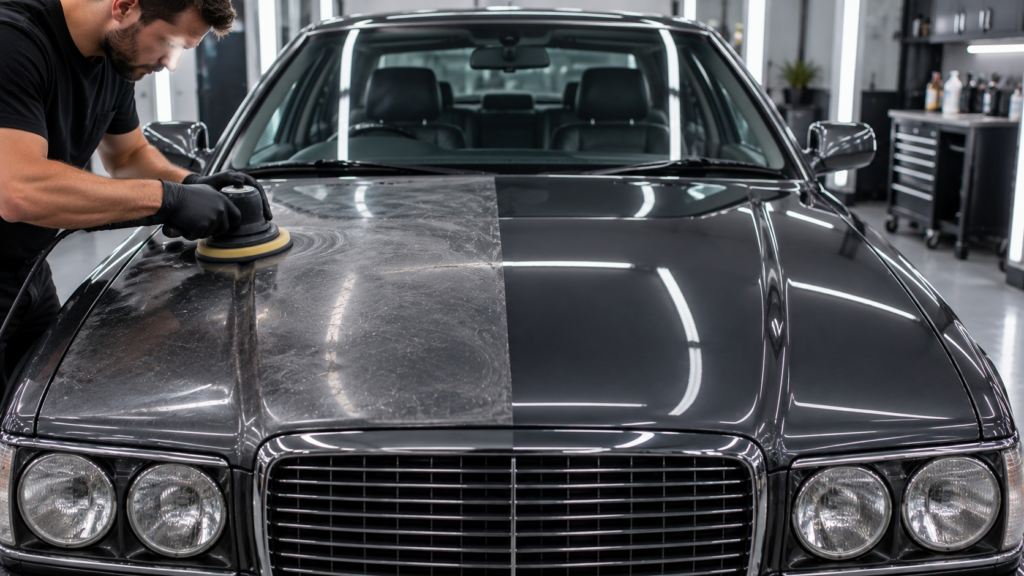
Yes, you can and should ceramic coat a used car. While many vehicle owners assume ceramic coatings are strictly for brand-new showroom vehicles, pre-owned cars often benefit even more from protective coating technology. Applying a ceramic coating to a used car halts ongoing clear coat degradation, restores optical depth, and shields aging paint from harsh environmental elements. However, coating a used car requires one crucial preparation step: thorough surface restoration and paint correction to eliminate existing scratches and swirl marks before sealing the finish. Why Used Cars Need Paint Correction First Unlike a brand-new car that requires minimal surface prep, a used vehicle has spent years enduring road debris, automatic car washes, and weather exposure. Over time, these factors leave microscopic scratches, cobweb swirl marks, and embedded contaminants across the clear coat. Because a professional ceramic coating forms a hard, transparent bond over your paint, it locks in whatever surface condition exists underneath. Applying a coating directly over swirled or oxidized paint seals those defects permanently beneath the glossy barrier. Before applying a coating to a used vehicle, a proper restoration process includes: Chemical Decontamination: Dissolving embedded iron fallout, industrial fallout, and road tar from clear coat pores. Clay Bar Treatment: Pulling remaining bonded grit out of the finish to leave panels smooth. Multi-Step Paint Correction: Using machine polishers and dedicated compounds to level out clear coat scratches and eliminate surface oxidation. Key Benefits of Ceramic Coating a Pre-Owned Vehicle Investing in ceramic protection for a used vehicle delivers several distinct advantages: Restores Faded Color: Combining professional Paint Correction with a high-solids silicon dioxide ($SiO_2$) coating restores rich color saturation and glass-like clarity to tired finishes. Stops UV Degradation: In sunny regions like Santa Clarita, aging clear coats are vulnerable to intense UV rays. The coating blocks ultraviolet radiation to prevent premature fading and clear coat breakdown. Simplifies Ongoing Maintenance: The hydrophobic surface repels dust, dirt, and road film. Water sheets off panels effortlessly during routine washes, reducing weekly cleaning time. Protects Vehicle Resale Value: Preserving the remaining factory clear coat on a used car keeps the exterior looking well-maintained, helping retain market value over time. When Ceramic Coating May Not Be Worth It While ceramic coatings work wonders on weathered paint, they cannot fix every paint defect. A ceramic coating is not recommended if your used vehicle has: Clear Coat Failure: If the factory clear coat is peeling, flaking, or turning chalky white, the coating cannot adhere properly. The panel must be repainted first. Deep Scratches to the Primer: Scratches that cut through the clear coat into the metal or primer cannot be polished out or filled in by an ultra-thin liquid coating. Heavy Surface Rust: Corrosion and physical rust must be repaired by a body shop before any exterior protective coating can be installed. For general upkeep tips on older vehicles, explore our complete guide on Auto Detailing practices. Frequently Asked Questions Is ceramic coating worth it on a car with high mileage? Yes, provided the clear coat is structurally sound without active peeling. Protecting an older daily driver preserves remaining clear coat thickness and prevents UV heat from turning minor age marks into clear coat failure. How much does it cost to ceramic coat a used car compared to a new car? Coating a used car typically costs more than a new car because it requires additional labor hours for machine compounding and paint correction to remove accumulated scratches prior to coating application. Looking for Ceramic Coating in Santa Clarita? Pristine Auto Care provides professional paint correction and ceramic coating services designed to restore and protect your used vehicle.
Can You Use an Automatic Car Wash on a Ceramic Coated Car? | Santa Clarita Auto Care
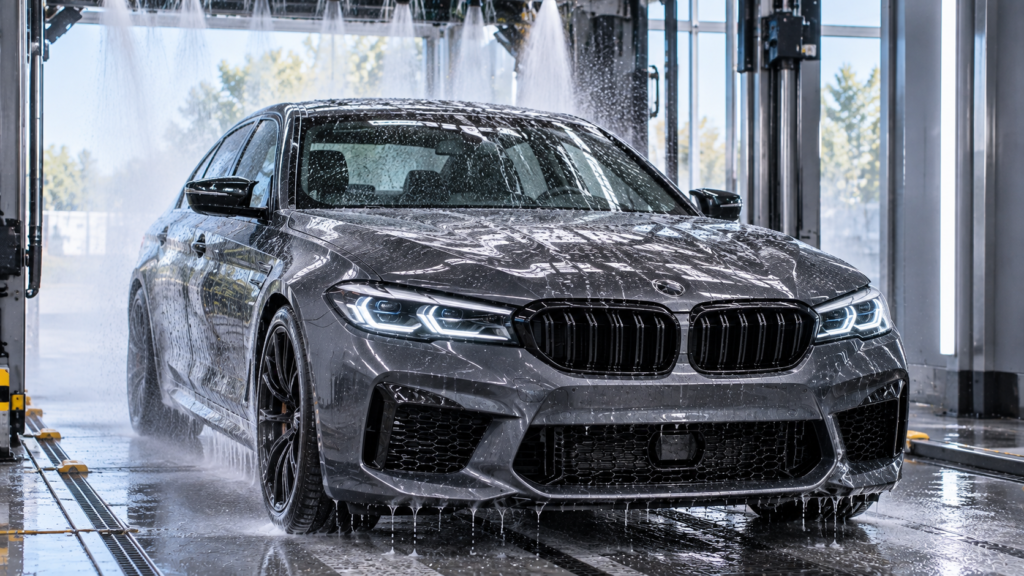
No, you should avoid taking a ceramic-coated vehicle through a traditional automatic brush car wash. While a ceramic coating provides hard chemical protection and extreme water repellency, the spinning bristles in automated washes hold heavy grit and dirt from previous vehicles. Dragging those abrasive brushes across your body panels creates micro-marring, swirl marks, and premature wear on your clear coat. Even touchless automatic washes present hidden risks due to the aggressive, high-pH chemicals used to clean without friction. Adopting proper washing habits protects your investment and maintains long-term paint gloss. Why Brush Car Washes Damage Ceramic Coatings Traditional drive-through car washes rely on heavy mechanical brushes or hanging cloth strips to scrub road dirt off vehicles. Abrasive Dirt Transfer: Brushes trap mud, sand, and road grime from every vehicle that passes through before yours. As those brushes spin against your paint at high speed, they act like coarse sandpaper. Surface Swirl Marks: Although a silicon dioxide ($SiO_2$) coating increases surface hardness, it is an ultra-thin barrier. Repeated mechanical friction gouges fine micro-scratches into the coating surface. Reduced Hydrophobicity: Severe friction wears down the coating’s top slick layer, causing water to pool flat on panels rather than forming tight, round beads. Are Touchless Car Washes Safe for Coated Vehicles? Touchless car washes eliminate physical contact by using high-pressure water jets and heavy chemical cleansers to dissolve road film. While a touchless wash will not create mechanical swirl marks, it still affects your coating over time. To strip grime without touching the vehicle, touchless facilities rely on highly alkaline detergents or acidic pre-soaks. These harsh chemicals gradually break down delicate topper sprays and degrade the top hydrophobic layer over repeated uses. While an occasional touchless wash in an emergency is far safer than a brush wash, relying on it regularly will shorten the lifespan of your professional ceramic coating. Safe Alternatives for Washing Your Coated Car Preserving your vehicle’s high-gloss shine requires gentle cleaning methods that minimize surface friction and avoid harsh chemical exposure. The Two-Bucket Hand Wash: Use two buckets equipped with grit guards—one for soapy water and one for clean rinse water. Clean panels from top to bottom using a soft microfiber wash mitt and a pH-neutral car shampoo. Self-Serve Wash Bays: Use the high-pressure rinse wand at a self-serve facility to blast away loose dust and pollen. Avoid using the shared foam brush in the bay, as it holds trapped dirt from off-road trucks and dirty wheels. Rinseless Wash Solutions: For light daily dust in Santa Clarita, a rinseless wash product paired with plush microfiber towels allows you to clean your vehicle safely in your garage without a hose. For complete care routines and product selection, review our comprehensive guide on Auto Detailing practices. Frequently Asked Questions What should I do if I accidentally take my coated car through a brush wash once? A single trip through a brush car wash will not instantly strip off a cured ceramic coating, but it may leave light surface swirls. Wash your car by hand using a pH-neutral soap on your next routine wash and apply a silica booster spray to restore slickness. Will automated car washes void my ceramic coating warranty? Many professional ceramic coating warranties specifically require safe hand-washing techniques and prohibit the use of automated brush car washes. Check your specific warranty terms to ensure proper compliance. Looking for Ceramic Coating Maintenance in Santa Clarita? Pristine Auto Care provides professional hand washing and maintenance detailing services to keep your ceramic coating performing at its peak.