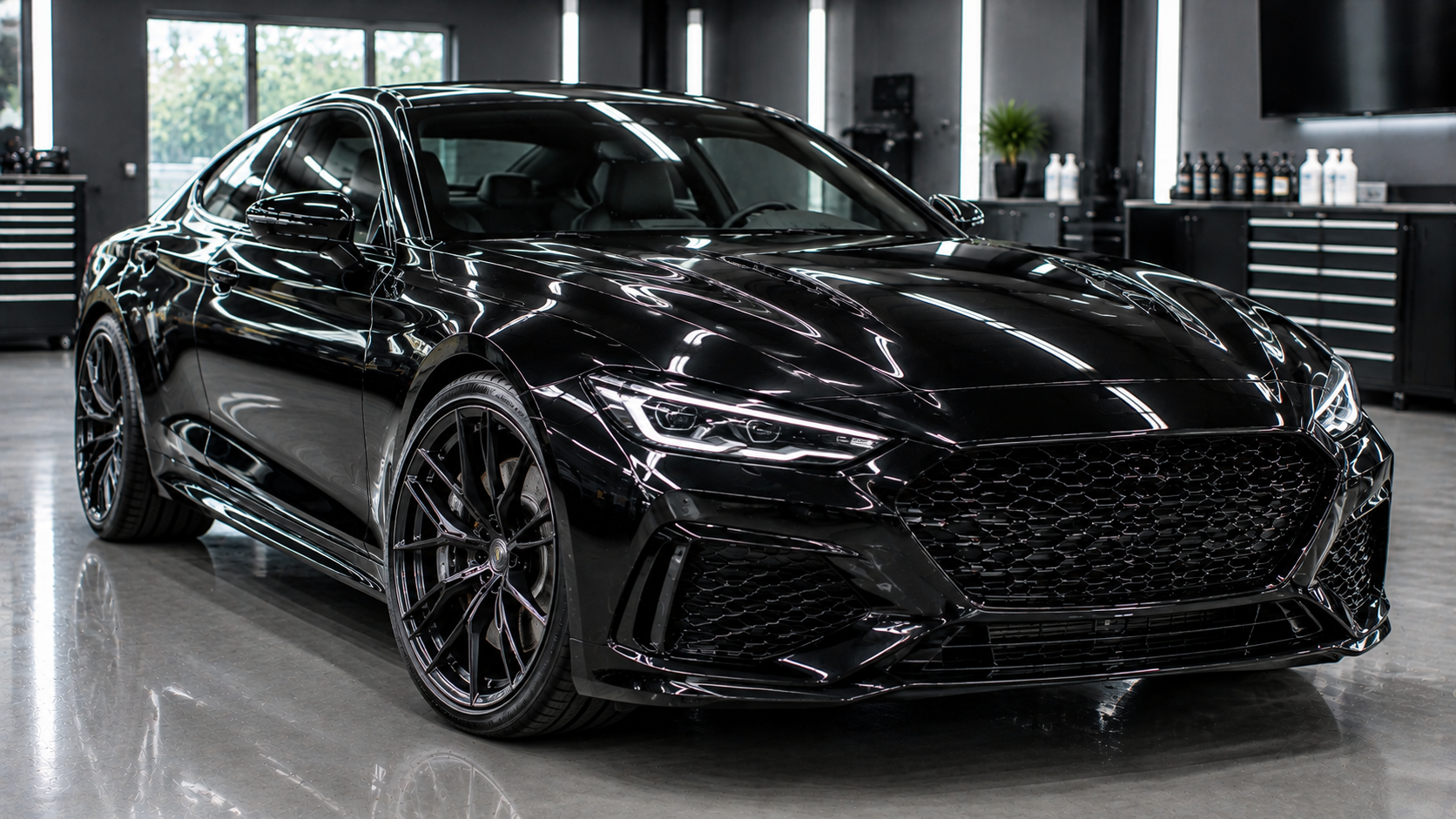
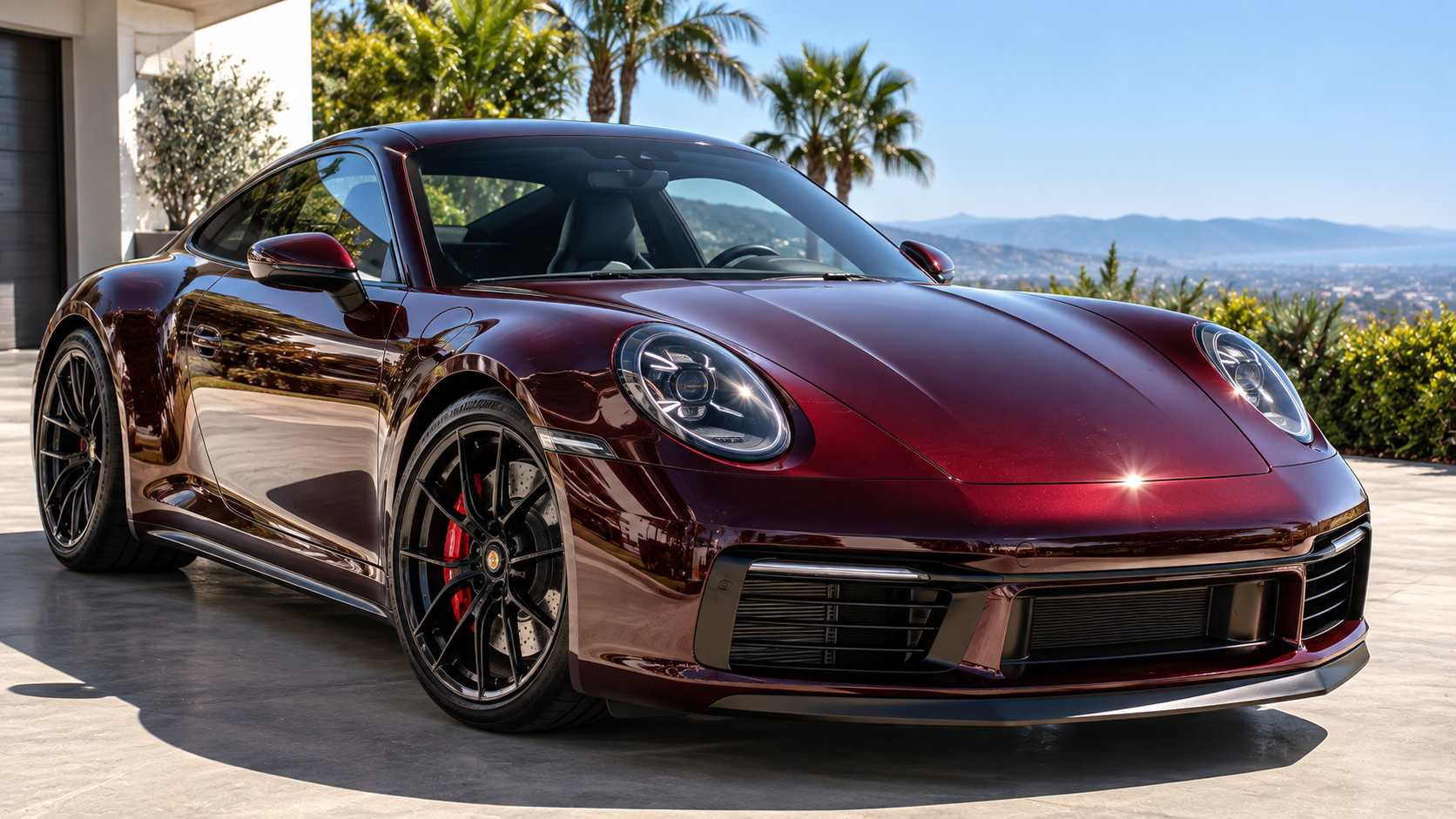
California is known for sunny weather, but continuous solar exposure is one of the leading causes of automotive exterior damage. Intense ultraviolet (UV) radiation combined with high summer temperatures breaks down your vehicle’s factory clear coat over time. This leads to color fading, loss of gloss, and permanent paint oxidation.
Protecting your vehicle from sun damage requires a durable surface barrier that resists extreme heat. Applying a professional ceramic coating shields your vehicle’s clear coat from harmful UV rays, locking in factory gloss and preventing premature paint aging.
How UV Radiation Causes Paint Oxidation
Automotive paint consists of multiple layers: primer, base coat (color), and a protective clear coat layer on top. The clear coat acts as a shield for the color underneath, but standard clear coats remain vulnerable to continuous solar radiation.
-
Chemical Breakdown: UV rays break down the molecular bonds within the clear coat. Over time, the clear coat weakens, becomes porous, and loses its smooth texture.
-
Oxidation: As the clear coat degrades, oxygen reacts with the exposed paint pigments. This chemical process causes dark colors to fade, red shades to turn pinkish, and white paint to look dull or chalky.
-
Thermal Expansion: High surface temperatures in regions like Santa Clarita cause metal panels to expand and contract daily. This thermal stress accelerates clear coat cracking and surface dullness.
Early Signs of Sun Damage on Your Vehicle
Sun damage occurs gradually over several years. Catching the early warning signs allows you to restore and protect the paint before clear coat failure occurs.
-
Loss of Optical Clarity: The paint surface no longer reflects light like a clean mirror and looks slightly hazy or cloudy under direct sunlight.
-
Uneven Fading: Flat horizontal surfaces that receive the most direct sunlight—such as the hood, roof, and trunk lid—fade faster than vertical side panels.
-
Rough Surface Texture: The clear coat feels rough to the touch even after a thorough hand wash due to micro-pitting caused by UV exposure.
How Ceramic Coating Provides Long-Term UV Protection
Traditional car waxes melt when surface temperatures rise on hot summer afternoons, leaving paint unprotected within weeks. Ceramic coatings provide superior thermal and UV resistance.
A high-grade ceramic coating contains silicon dioxide ($SiO_2$). Once applied and cured, it forms a hard, transparent cross-linked layer over the factory clear coat. This layer does not melt under extreme heat and actively blocks UV radiation from penetrating down to the color layer.
By sealing the microscopic pores of the clear coat, the coating keeps oxygen and moisture out, stopping paint oxidation before it starts.
Simple Steps to Maximize Vehicle Sun Defense
Combining a protective coating with smart maintenance habits ensures your paint stays in top condition year-round:
-
Park in the Shade: Use garages, carports, or shaded parking spots during peak afternoon hours whenever possible.
-
Apply Ceramic Protection: Protect your vehicle’s exterior with a Ceramic Coating service to establish a semi-permanent UV barrier.
-
Maintain Routine Wash Habits: Clean dust and road film off your panels every two weeks. Layering dirt on hot paint traps heat and accelerates surface degradation. Explore our guide on routine Auto Detailing for optimal wash techniques.
Frequently Asked Questions
Can ceramic coating reverse existing paint oxidation?
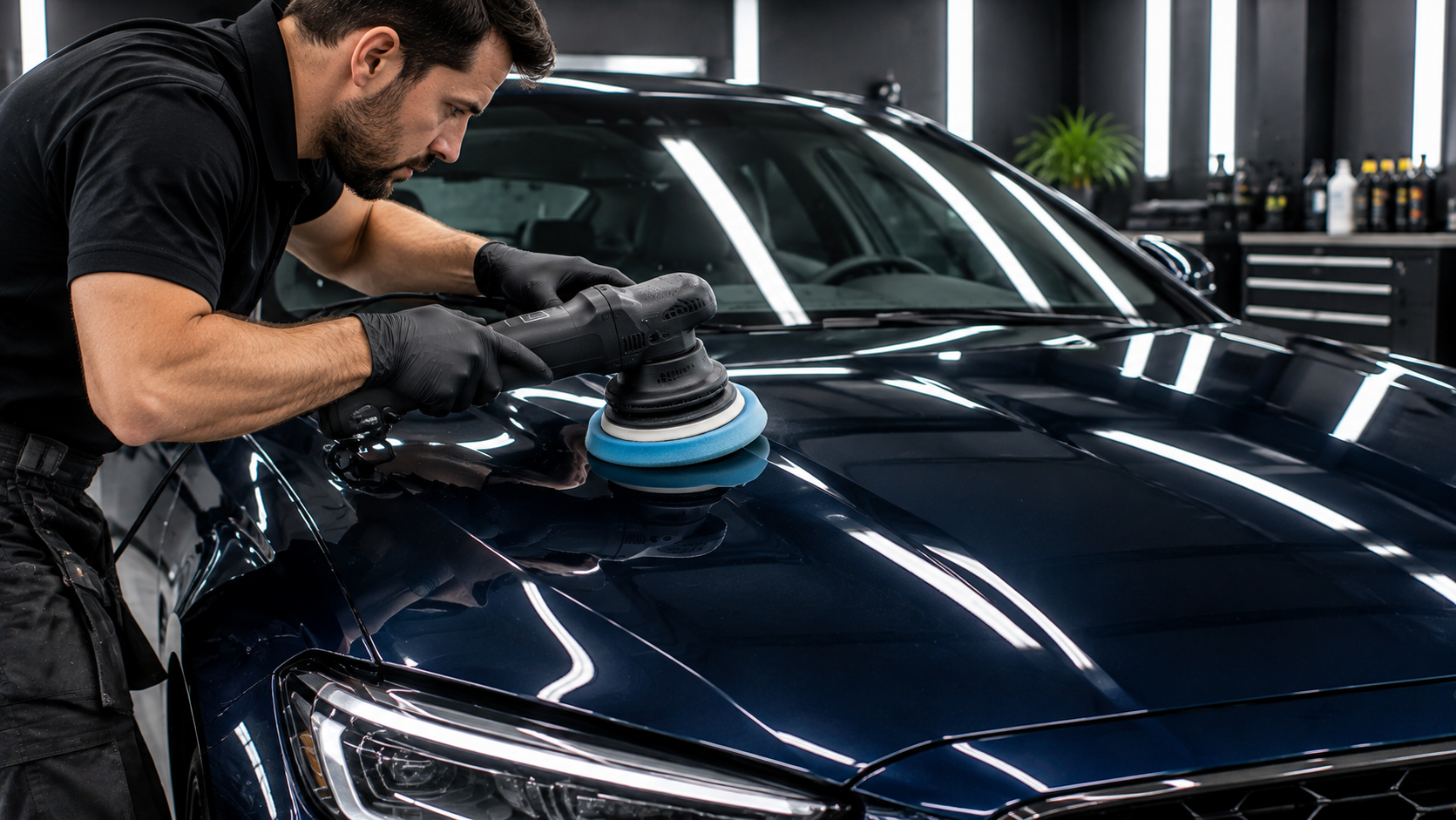
No. Ceramic coatings are transparent sealants that lock in the condition of the paint underneath. Heavy surface oxidation or chalkiness must be removed through multi-step machine polishing before applying a coating.
Will ceramic coating prevent my clear coat from peeling?
Yes, provided the clear coat is still healthy when the coating is applied. By blocking UV degradation and chemical contamination, ceramic coatings help prevent the clear coat breakdown that leads to peeling.
Looking for Paint Protection in Santa Clarita?
Pristine Auto Care offers professional ceramic coating installations designed to shield your vehicle’s finish against severe California sun and daily environmental wear.