How to Wash a Ceramic Coated Car: Step-by-Step Care Guide | Santa Clarita Auto Care
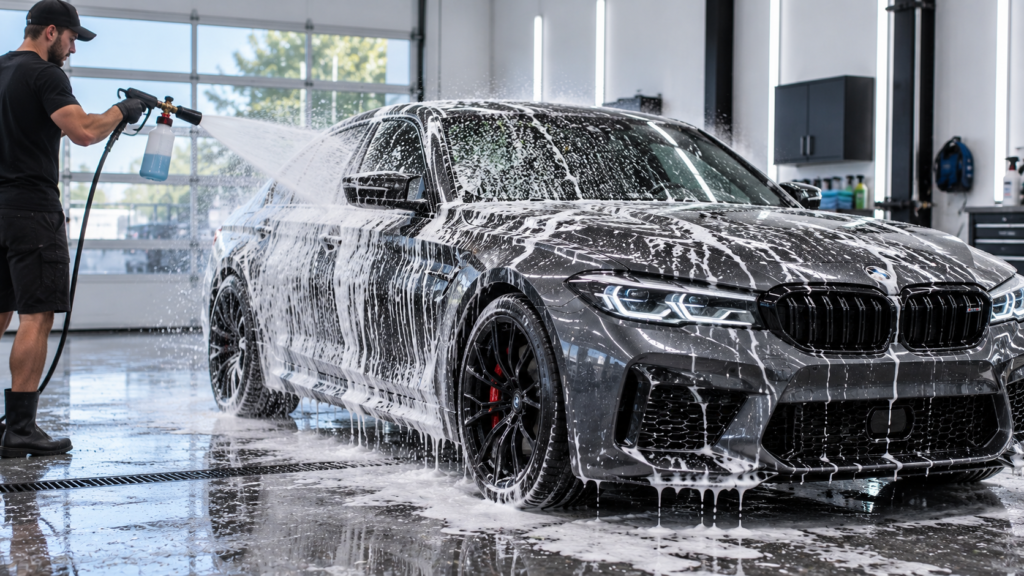
Washing a ceramic-coated car requires pH-neutral car soap, clean microfiber wash mitts, and gentle washing techniques. While a ceramic coating prevents dirt, road grime, and tree sap from bonding directly to your factory clear coat, poor washing habits can still leave light swirl marks and cover the coating’s hydrophobic layer with dirt buildup. Following proper hand-washing methods keeps your vehicle looking glossy and ensures your coating performs at its best for years. Essential Washing Supplies for Coated Vehicles Before you start washing, gather gentle, high-quality car care products: pH-Neutral Car Shampoo: Choose a soap free from harsh detergents, strong acids, or added waxes. Wax additives leave a residue that temporarily masks the coating’s self-cleaning properties. Two Wash Buckets with Grit Guards: Place a grit guard filter at the bottom of each bucket to trap dirt particles at the bottom and keep them away from your wash mitt. Microfiber Wash Mitts: Use ultra-soft plush microfiber mitts instead of coarse sponges, which trap dirt and drag it across clear coat panels. Microfiber Drying Towel or Air Blower: High-density microfiber drying towels or contactless air blowers prevent water spots without abrading the surface. Step-by-Step Guide to Washing Your Coated Vehicle Executing a careful wash routine preserves clear coat clarity and prevents wash-induced micro-marring. Rinse and Pre-Foam the Exterior: Rinse the vehicle thoroughly with a pressure washer or hose to knock off loose surface dust and heavy grit before touching the paint. If available, use a foam cannon to cover the vehicle in slick lather to loosen stubborn dirt. Use the Two-Bucket Method: Fill one bucket with soapy water and the second bucket with clean rinse water. Dip your mitt into the soap, wash one panel from top to bottom, and rinse the mitt in the clean water bucket before taking fresh soap back to the vehicle. Wash Top to Bottom: Start cleaning at the roof and glass, working down toward lower rocker panels and wheels where heavy road grime accumulates. Rinse Thoroughly: Flush away all soap residue with clean water. You will notice water sheeting and beading off the body panels rapidly due to the coating’s low surface tension. What to Avoid When Cleaning Ceramic Coatings Protecting your investment means steering clear of aggressive cleaning habits: Avoid Automatic Brush Car Washes: Mechanical car washes use heavy nylon brushes that hold abrasive dirt from previous cars, leaving heavy swirl marks across your panels. Never Wash in Direct Sunlight: High temperatures in the Santa Clarita Valley cause tap water and soap to dry quickly on hot body panels, leaving mineral deposits and water spots. Skip Dish Soap and Household Cleaners: Household detergents strip protective barriers and dry out rubber seals around glass trim. Frequently Asked Questions Can I use a pressure washer on a ceramic coated car? Yes. Pressure washers are excellent for pre-rinsing heavy dirt off a coated car. Keep the spray nozzle at least 15 to 18 inches away from the paint surface and avoid concentrated high pressure on loose trim or clear film edges. How often should I wash a ceramic coated car? Washing your vehicle every two weeks prevents airborne dust, pollen, and environmental fallout from building up on the paint surface and clogging the hydrophobic layer. Looking for Ceramic Coating Maintenance in Santa Clarita? Pristine Auto Care offers professional detailing and maintenance care to keep your ceramic coating performing like new.
Best Ways to Protect Your Car’s Paint in Santa Clarita
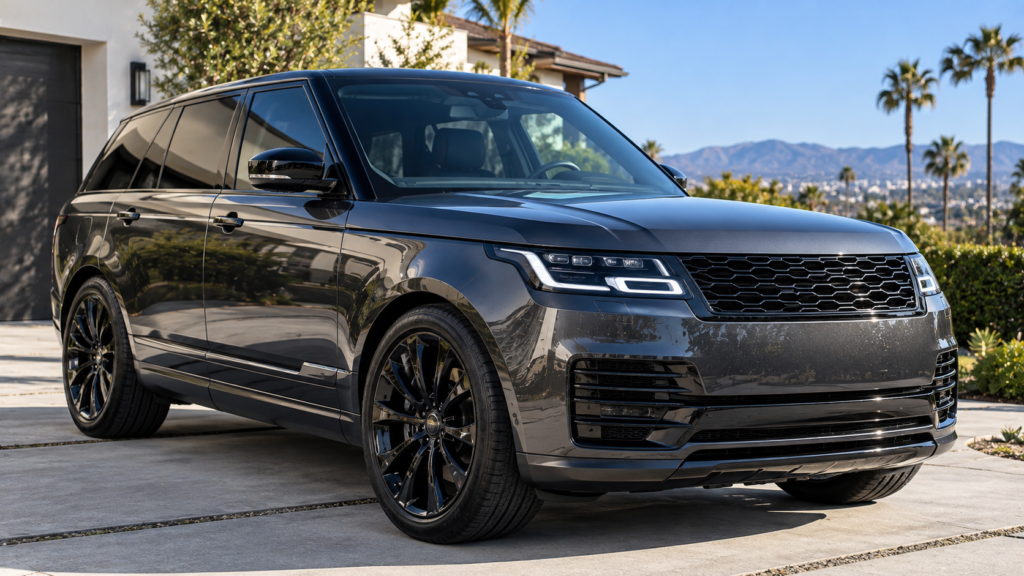
Keeping your vehicle’s paint looking new in the Santa Clarita Valley requires proactive care. Strong year-round sunlight, intense summer heat, blowing dust, and mineral-heavy water continuously wear down the factory clear coat. Without proper defense, unprotected clear coats dull, fade, and oxidize within a few years. The most effective way to protect your car’s paint in Santa Clarita combines long-term chemical or physical surface barriers with proper hand-washing techniques and smart parking habits. Understand the Environmental Threats to Local Vehicle Paint The climate in Northern Los Angeles County presents specific challenges for automotive clear coats: Intense UV Exposure: Direct solar radiation breaks down the clear coat’s chemical bond, causing paint oxidation and color fading. High Thermal Stress: Dark-colored body panels frequently reach extreme surface temperatures in the summer, causing traditional waxes to melt off quickly. Windblown Dust and Debris: Dust carried by dry winds acts like fine sandpaper, creating micro-marring when wiped improperly. Hard Water Spotting: Tap water and local sprinklers leave heavy mineral deposits that can etch permanently into hot paint surfaces. Install a Durable Surface Barrier Relying solely on temporary spray waxes is rarely enough to withstand local environmental conditions for more than a few weeks. Modern paint protection technologies offer far stronger defenses. A professional ceramic coating utilizes silicon dioxide ($SiO_2$) to create a hard, hydrophobic shield over your paint. This layer blocks damaging UV rays, repels dust and environmental grime, and prevents bird droppings or tree sap from burning into the clear coat. For vehicles frequently driven on local freeways like the I-5 or Route 14, pairing a ceramic coating with Paint Protection Film (PPF) on front-impact zones offers complete defense against flying rocks and gravel chips. Practice Safe Washing and Maintenance Techniques How you clean your vehicle directly impacts how long your paint stays swirl-free. Poor washing habits cause over 80% of surface scratches and dullness. Avoid Automatic Brush Washes: Mechanical drive-through car washes utilize harsh bristles that trap dirt from previous vehicles, dragging it across your paint. Use the Two-Bucket Hand Wash Method: Separate clean soap water from dirty rinse water. Always use a soft microfiber wash mitt to minimize surface friction. Wash in the Shade: Cleaning your vehicle out of direct sunlight prevents water and soap from drying rapidly on hot panels, which creates hard water spots. Dry With Premium Microfiber: Never let tap water dry on your paint naturally. Use clean, high-GSM microfiber drying towels or blown air. Incorporating routine Auto Detailing treatments ensures embedded contaminants like iron particles and tar are removed before they cause lasting damage. Minimize Direct Heat and Solar Exposure Whenever possible, park your vehicle inside a garage, under a carport, or in shaded areas during peak afternoon hours. Shaded parking reduces thermal stress on your clear coat and interior surfaces. If garage parking is unavailable, maintaining a hydrophobic ceramic barrier keeps dust from sticking firmly to the clear coat, making daily buildup easy to rinse away safely. Frequently Asked Questions How often should I wash my car to protect the paint in Santa Clarita? Washing your vehicle every two to three weeks removes accumulated dust, pollen, and road contaminants before they bond to the clear coat or cause etching under hot sunlight. Is traditional wax enough to protect paint from Southern California sun? No. Traditional carnauba waxes break down quickly under high heat, often lasting only 3 to 6 weeks in summer conditions. Synthetic sealants or professional ceramic coatings offer far greater heat tolerance and UV defense. Looking for Paint Protection in Santa Clarita? Pristine Auto Care provides professional ceramic coating, paint correction, and protection services designed to keep your vehicle looking factory-new in any season.
Professional vs DIY Ceramic Coating: Which One Is Best? | Santa Clarita Auto Care
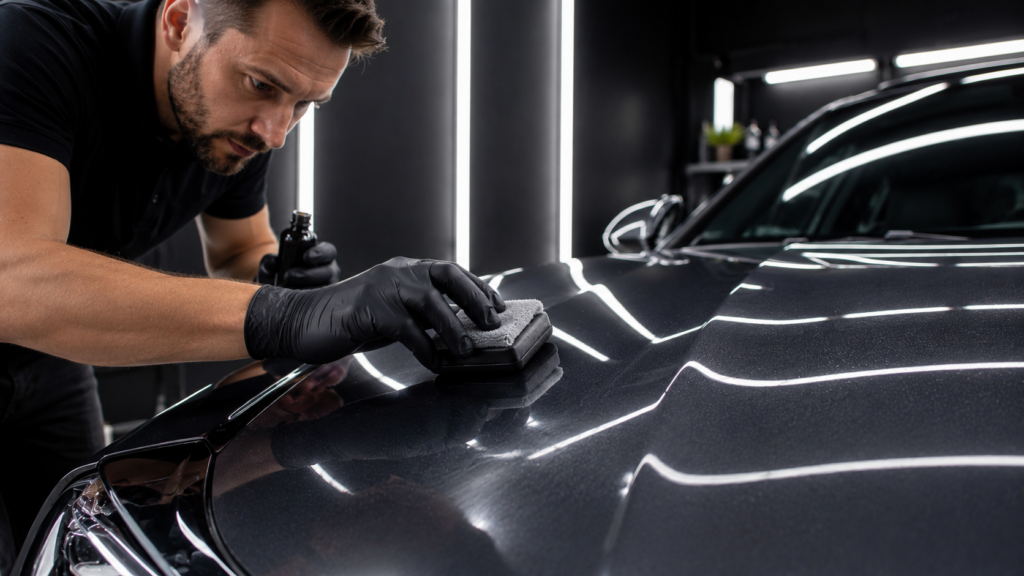
While DIY ceramic coating kits offer a budget-friendly entry point, professional ceramic coating installations deliver vastly superior durability, chemical bonding, and visual depth. The main differences between the two come down to active chemical concentration, the extent of surface preparation, and the technical skill required during application. Deciding between a DIY consumer product and a professional installation depends on your budget, available time, and how long you want your paint protection to last. Chemical Strength and Active Silica ($SiO_2$) Content The active ingredient in ceramic coatings is silicon dioxide ($SiO_2$). Higher concentrations of $SiO_2$ create a harder, more resilient protective shell over your vehicle’s factory clear coat once fully cured. DIY Consumer Kits: Formulated with lower percentages of $SiO_2$ (typically between 10% and 30%). This lower concentration slows down the drying time, making consumer products safer and easier for beginners to apply without creating severe streaks. Professional-Grade Coatings: Feature significantly higher concentration formulas (often 70% or more). These professional formulas cross-link tightly with the clear coat to create a semi-permanent barrier that resists high heat, harsh detergents, and environmental fallout for years. Paint Preparation and Surface Correction A ceramic coating acts like a transparent magnifying glass over your paint—it locks in and highlights whatever surface condition exists underneath. Applying any coating directly over swirl marks, light scratches, or embedded road contaminants seals those defects permanently under the hard layer. Achieving a flawless finish requires rigorous prep work: Decontamination: Removing embedded iron particles and road tar using specialized fallout removers and clay bar treatments. Paint Correction: Machine polishing the clear coat using dual-action polishers to remove swirl marks and restore optical clarity. Panel Wipes: Stripping away residual polishing oils using dedicated alcohol cleaners so the coating can bond directly to bare paint. Most DIY users lack the specialized machine polishers, paint inspection lighting, and time required for thorough Paint Correction. Professional detailers spend hours refining the paint surface before a single drop of coating touches the vehicle. Application Risks and High Spots Applying a high-solids ceramic coating requires strict environmental control and precise timing. Once the liquid is spread across a panel, it begins to “flash” (evaporate) and cure rapidly. If excess coating is not wiped away and leveled within the correct window, it leaves behind “high spots”—dark, hazy, or rainbow-colored streaks on the paint. High spots harden into the clear coat and cannot be washed off. Removing a cured high spot requires machine compounding the panel back down to bare paint to start over. Professional installers work in climate-controlled environments to monitor temperature and humidity, ensuring an even, streak-free installation. Durability, Lifespan, and Overall Value DIY ceramic spray coatings and consumer bottle products generally offer hydrophobic water beading for 6 to 18 months before degrading. They require frequent reapplication to maintain protection against UV exposure and road film. In contrast, a professional ceramic coating lasts between 2 and 5+ years with simple maintenance. For drivers dealing with strong UV rays, dry heat, and blowing dust in the Santa Clarita Valley, the heavy-duty UV defense and long-term hydrophobic performance of a professional installation provide greater value and peace of mind over years of daily driving. Frequently Asked Questions Can I apply a professional-grade ceramic coating myself? True professional coatings are restricted to trained installers because they flash rapidly and require precise leveling techniques. Applying a professional formula without proper equipment and experience carries a high risk of permanent high spots. What happens if I get high spots during a DIY ceramic coating application? If high spots are noticed within a few minutes, applying fresh liquid coating over the area can sometimes re-soften the product so it wipes clean. If the high spot has already cured, it must be gently machine-polished off before reapplying the coating. Looking for Professional Ceramic Coating in Santa Clarita? Pristine Auto Care provides professional surface prep, paint correction, and long-lasting ceramic coating installations to shield your vehicle from California sun and road grime.
Should You Ceramic Coat a New Car? What Owners Need to Know | Santa Clarita Auto Care
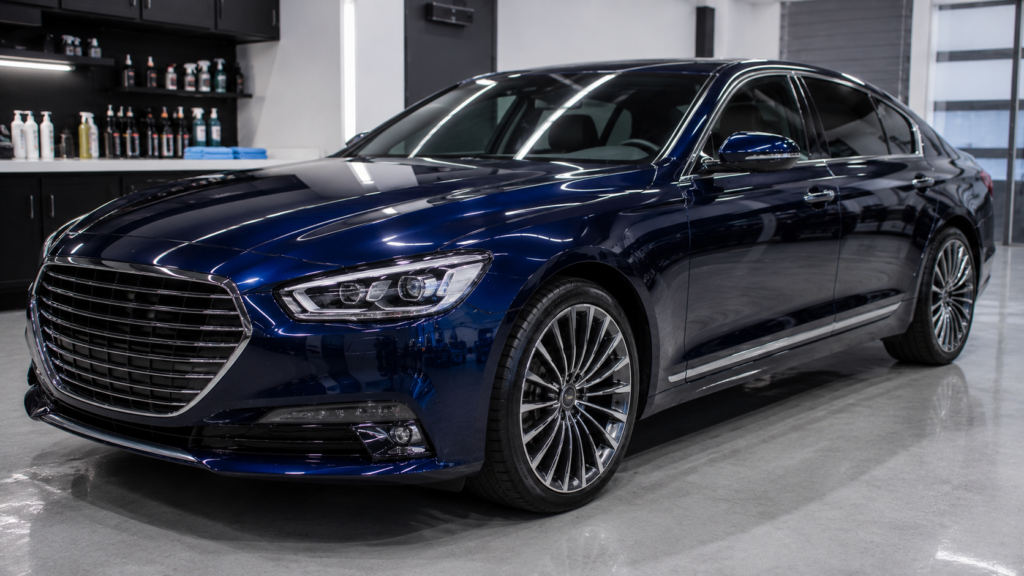
Yes, applying a ceramic coating to a new car is one of the best investments you can make to protect your vehicle. While brand-new paint looks pristine on the showroom floor, factory clear coat leaves the dealership with zero durable physical or chemical protection. Protecting your new vehicle immediately locks in factory gloss, simplifies routine washing, and defends against harmful UV exposure, bird droppings, and hard water spots from day one. Why Brand-New Cars Still Need Paint Protection A common misconception is that new vehicles come with fully protected paint straight from the factory. In reality, car manufacturers do not apply long-term sealants or ceramic coatings before shipping vehicles to dealerships. During transport from the factory—whether on open car haulers, cargo ships, or rail cars—new vehicles accumulate industrial fallout, brake dust, and rail dust. Dealership prep teams often use quick, automated wash methods that drag surface dirt across the panel, leaving light swirl marks and fine scratches on fresh paint. Applying a professional ceramic coating eliminates these contamination risks and establishes a durable protective foundation. Does a New Car Need Paint Correction First? Even a vehicle with under 100 miles on the odometer usually requires surface preparation prior to coating installation. Before a coating can form a strong chemical bond with the clear coat, the vehicle must undergo: Chemical Decontamination: Removing embedded rail dust and iron particles using dedicated fallout removers. Clay Bar Treatment: Pulling microscopic debris out of clear coat pores to create a slick, clean surface. Minor Paint Correction: A single-stage polish to eliminate dealership swirl marks and light transport scratches. Performing light Paint Correction on a brand-new vehicle requires significantly less labor and time than correcting an older, heavily swirled daily driver. This makes coating a new car more cost-effective upfront. Key Benefits of Coating Your New Vehicle Immediately Investing in new car paint protection early delivers several long-term advantages: Preserves Showroom Gloss: The coating seals the clear coat, enhancing optical clarity and visual depth so your vehicle maintains its brand-new look for years. Maximum UV Defense: In sunny areas like Santa Clarita and Valencia, continuous sun exposure breaks down unprotected paint. Silicon dioxide ($SiO_2$) coatings block UV rays and prevent premature oxidation. Easier Maintenance: The hydrophobic surface repels dust, mud, and road grime. Dirt slides off easily during regular washes, drastically reducing weekly maintenance effort. Higher Resale Value: Keeping factory paint free of chemical etching and severe fading helps maintain your vehicle’s market value when it comes time to trade in or sell. Pairing your coating with proper long-term Auto Detailing habits ensures the surface stays slick and hydrophobic throughout your ownership. Frequently Asked Questions Doesn’t factory paint come with protection from the dealership? Dealerships often offer temporary paint sealants or spray waxes as dealer add-ons. However, these products rarely last more than a few weeks or months and do not provide the semi-permanent chemical bonding of a professional ceramic coating. How soon after taking delivery can I ceramic coat my new car? You can ceramic coat your vehicle immediately after delivery. Modern automotive paint is cured using high-temperature baking ovens at the factory, meaning the clear coat is fully cured and ready for coating application as soon as you drive off the lot. Looking for Ceramic Coating in Santa Clarita? Pristine Auto Care provides professional ceramic coating services designed to protect new vehicles against local road grime, dust, and California sun exposure.
Does Ceramic Coating Prevent Scratches? | Santa Clarita Auto Care
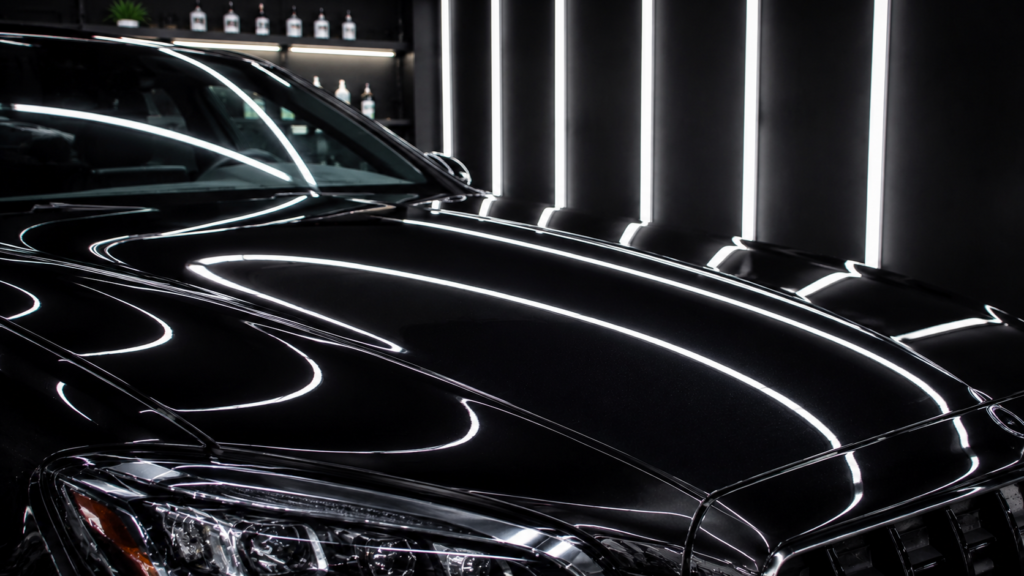
Does Ceramic Coating Prevent Scratches? No, ceramic coating does not make your car completely scratch-proof. While ceramic coatings add a hard protective layer over your factory finish, they cannot stop heavy physical damage like flying rock chips, deep scratches, or intentional key marks. What a professional ceramic coating does provide is excellent resistance against light micro-marring, swirl marks caused by proper hand washing, chemical stains, and environmental etching. Understanding the difference between scratch resistance and scratch prevention helps vehicle owners choose the right protection for their driving habits. What Ceramic Coating Can Protect Against Ceramic coatings contain high concentrations of silicon dioxide ($SiO_2$), which cures into a hydrophobic, glass-like barrier across your clear coat. On the pencil hardness scale, quality ceramic coatings rate around 9H, making the surface significantly harder than untreated factory clear coat. This additional hardness helps shield your exterior from several common cosmetic issues: Wash Micro-Marring: It reduces minor surface friction during safe hand washes, preventing light cobwebbing in the clear coat. Chemical Etching: Acidic bird droppings, bug splatter, and tree sap are blocked from burning directly into the paint. UV Oxidation: Intense solar heat and UV rays are kept from dulling the paint’s color and clear coat over time. Water Spotting: Mineral deposits from hard water are easier to clean off before they permanently etch into the finish. The Types of Damage Ceramic Coating Cannot Stop Despite some exaggerated marketing claims online, a liquid ceramic coating cures to a thickness of less than one micron. Because of this microscopic depth, it cannot absorb heavy mechanical impacts. Ceramic coatings will not protect your vehicle from: Highway Rock Chips: Gravel flying off trucks on the I-5 or Route 14 will punch straight through the coating and factory clear coat. Deep Scratches: Sharp objects, keys, runaway shopping carts, or overgrown bushes will still gouge the paint underneath. Automatic Car Wash Brushes: Heavy spinning brushes carrying coarse dirt from previous vehicles will still swirl and scratch a coated surface. How to Get True Scratch and Chip Protection If your primary goal is stopping physical rock chips and deep scratches, combining protective treatments delivers the complete solution. Installing Paint Protection Film (PPF) on high-impact zones like your front bumper, hood, and side mirrors creates a thick polyurethane barrier designed to absorb physical impacts and self-heal light surface scratches. Applying a ceramic coating over the rest of the vehicle—or directly on top of the film—gives you the best of both worlds: impact defense plus extreme gloss and self-cleaning water repellency. If your vehicle already has swirl marks or light scratches, performing thorough Paint Correction before coating application ensures those defects are removed rather than sealed permanently underneath. Frequently Asked Questions Does ceramic coating make your car 9H hard like a diamond? No. The 9H rating for ceramic coatings refers to the pencil hardness scale, not the Mohs mineral hardness scale used for diamonds. While it increases clear coat surface hardness, it remains an ultra-thin barrier that cannot resist heavy physical gouges. Will a ceramic coating cover up existing scratches on my car? No. Ceramic coatings are completely transparent and do not fill in scratches. Any existing swirl marks or surface imperfections must be polished out through paint correction before the coating is applied. Looking for Ceramic Coating in Santa Clarita? Pristine Auto Care offers professional ceramic coating and paint protection services tailored to keep your vehicle looking factory-new. Request a Ceramic Coating Quote
Is Ceramic Coating Worth It in California? | Santa Clarita Auto Care
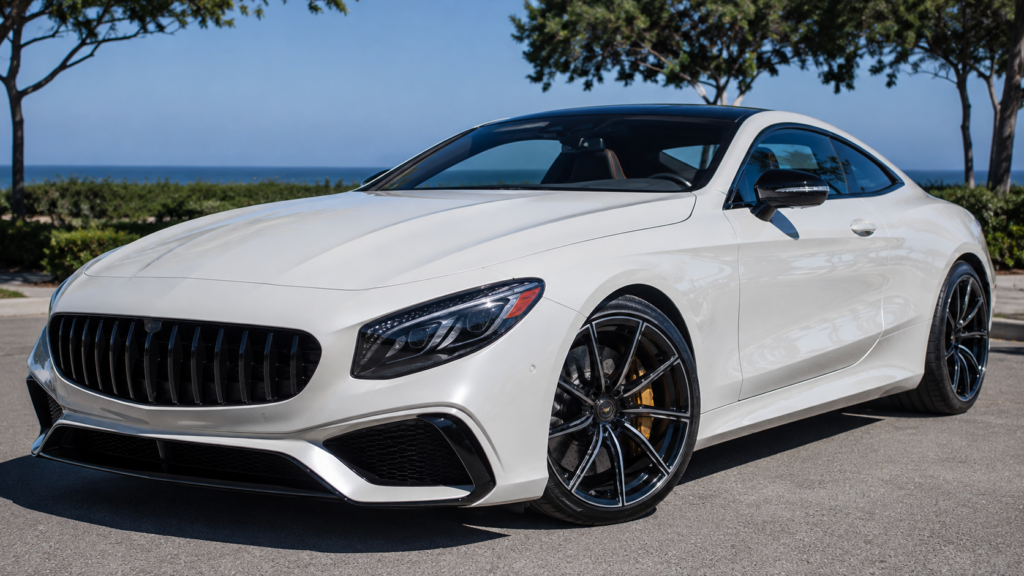
Yes, ceramic coating is worth the investment for most California drivers. With strong year-round sunlight, high thermal exposure, and persistent road dust, unprotected vehicle paint degrades quickly across the state. A professional ceramic coating provides a semi-permanent barrier that shields your vehicle’s factory finish from severe UV damage, chemical etching, and oxidation while making routine washing significantly faster and easier. Continuous UV Protection in the California Sun Southern California averages over 280 sunny days per year. Prolonged exposure to solar radiation breaks down standard factory clear coat, causing paint to fade, lose clarity, and eventually oxidize. A high-grade ceramic coating utilizes silicon dioxide ($SiO_2$) to create a transparent, heat-resistant barrier over your paint. This layer absorbs and blocks damaging ultraviolet light, preserving the depth and clarity of your vehicle’s color even when parked outdoors in the Santa Clarita heat. Defense Against Dust, Pollen, and Hard Water Driving through the Santa Clarita Valley exposes vehicles to dry wind, airborne dirt, seasonal pollen, and mineral-dense water. Unprotected clear coat features microscopic pores where dust and hard water minerals settle, causing stubborn stains and etching. Hydrophobic Water Shedding: Water beads up into tight droplets and rolls off the paint, taking surface dust and light road grime with it. Chemical Resistance: Acidic contamination from bird droppings and tree sap cannot easily penetrate the cured coating, preventing permanent damage to your original paint. Less Dirt Accumulation: The ultra-slick finish creates a low-friction surface, making it difficult for road film to cling to body panels. Long-Term Value and Maintenance Savings Traditional car waxes melt under high surface temperatures and wear off after a few wash cycles. This requires reapplying wax four to six times a year to maintain basic protection. In contrast, a multi-year ceramic coating eliminates the need for frequent waxing. While the initial investment for professional installation and paint preparation is higher, it saves money and effort over several years of vehicle ownership. Furthermore, maintaining a coated vehicle requires simple hand washes with pH-neutral soap, helping protect the car’s resale value by keeping the original finish in excellent condition. Real Limitations to Keep in Mind To decide if a coating fits your driving routine, consider its practical limitations: Not Rock-Chip Proof: Ceramic coatings do not absorb heavy mechanical impacts. If physical rock chip defense is a primary concern, consider pairing your coating with Paint Protection Film. Not Maintenance-Free: While washing becomes much easier, you still need to wash your vehicle periodically using safe hand-wash techniques to keep the hydrophobic layer clear of heavy dirt buildup. Frequently Asked Questions Does direct California sun shorten a ceramic coating’s lifespan? Extremely hot environments can stress unprotected paint, but quality ceramic coatings are engineered to handle high surface temperatures and intense UV exposure without breaking down or melting like traditional wax. Is ceramic coating necessary if my car is parked in a garage? Garaged vehicles still face UV rays, road chemicals, dust, and contaminants while being driven. A ceramic coating ensures the paint stays protected during daily commutes and remains easier to clean when dust settles on the surface. Looking for Ceramic Coating in Santa Clarita? Pristine Auto Care offers professional ceramic coating installations tailored to protect your vehicle against California sun and daily driving hazards.
When Can You Wash Your Car After Ceramic Coating? | Santa Clarita Auto Care
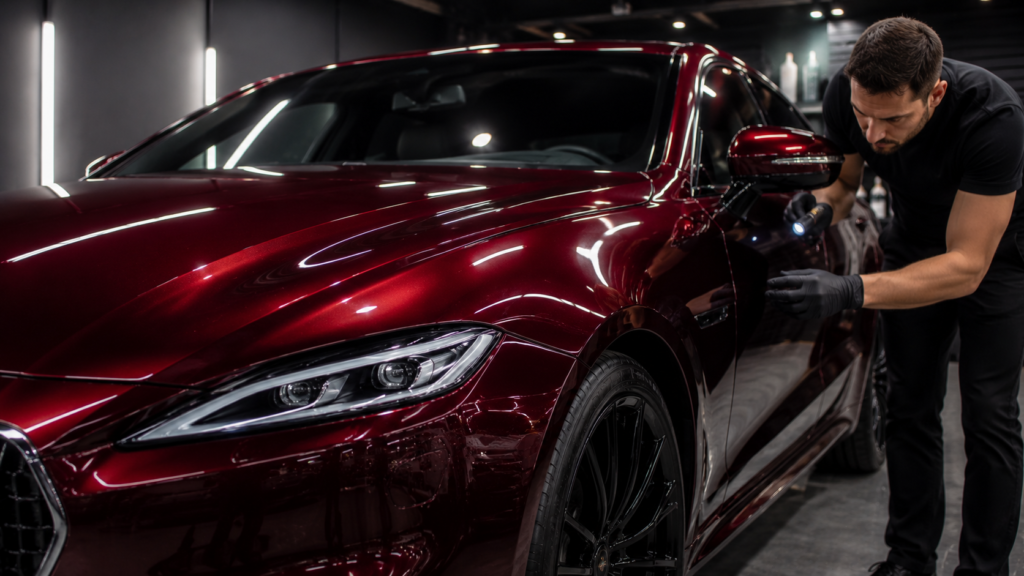
You should wait at least 7 days before washing your vehicle with soap and water after applying a ceramic coating. While the coating feels dry to the touch within 24 hours of application, the underlying chemical bond requires a full week to cure completely. Washing your car too soon—or using aggressive cleaning chemicals during the curing window—can disrupt the cross-linking process of the silicon dioxide ($SiO_2$) formula. This premature exposure can weaken the barrier, shorten the coating’s lifespan, and compromise its hydrophobic performance. Understanding the Ceramic Coating Cure Time The curing process occurs in distinct stages as the liquid coating hardens and bonds to your factory clear coat: The First 24 Hours: This is the most critical window. The vehicle must stay completely dry. Moisture, rain, and morning dew can interfere with initial bonding. Days 2 to 7: The coating continues to harden chemically. While the vehicle can be driven, the paint remains sensitive to harsh chemical soaps, high-pressure water, and aggressive friction. Day 7 and Beyond: The coating reaches sufficient hardness for its first routine hand wash. Full chemical cure and maximum hardness are generally achieved within 14 days. What to Do If Your Car Gets Dirty During the Curing Window Driving in Santa Clarita means encountering road dust, pollen, and occasional bird droppings. Leaving acidic contaminants on a freshly coated surface can cause permanent etching while the coating is still curing. If contaminants land on your vehicle during the first week, do not wash the entire car. Instead, spot clean the area carefully: Mist the spot lightly with distilled water or a manufacturer-approved ceramic detail spray. Allow the liquid to loosen the debris for 30 to 60 seconds. Gently wipe the spot away using a clean, ultra-soft microfiber towel without applying heavy pressure. How to Wash Your Car After the 7-Day Wait Period Once the 7-day cure window has passed, adopting proper washing techniques will preserve the gloss and hydrophobic properties of your [INTERNAL LINK: professional ceramic coating]. Use pH-Neutral Shampoo: Wash only with dedicated car soaps free from aggressive degreasers, heavy waxes, or harsh acid additives. Practice the Two-Bucket Method: Fill one bucket with soapy water and a second bucket with clean rinse water. Rinse your microfiber wash mitt in the clean water bucket before taking fresh soap to prevent dragging trapped dirt across the paint. Wash Out of Direct Sun: Always wash and dry your vehicle in the shade or early morning to prevent soapy water from drying on the surface and creating mineral spots. Avoid Automatic Brush Washes: Mechanical car washes use stiff bristles that hold dirt from previous vehicles, which will cause micro-marring and dull your finish over time. Local Climate Considerations for Curing in Santa Clarita The dry heat and high temperatures in the Santa Clarita Valley help accelerate surface dry times. However, strong UV sunlight and airborne dust from dry winds bring specific challenges during week one. Parking your vehicle in a garage or covered driveway during the first 7 days shields the curing surface from intense afternoon sun, blowing dust along the freeway, and mineral-heavy morning moisture. Following proper cure protocols ensures your investment delivers peak performance for years to come. Explore our full [INTERNAL LINK: Auto Detailing] guide for complete maintenance routines. Frequently Asked Questions What happens if it rains on my car during the first 24 hours? If rainwater hits your vehicle during the initial 24-hour cure period, dry the paint gently with a clean microfiber towel as soon as possible. Allowing water spots to dry under hot sun on fresh coating can leave light water marks. Can I use a pressure washer on a ceramic-coated car? Yes, but wait until after the 7-day curing period. When pressure washing, keep the nozzle at least 15 to 18 inches away from the paint to avoid blasting high pressure onto delicate trim or fresh edges. Looking for Ceramic Coating in Santa Clarita? Pristine Auto Care provides professional ceramic coating installations paired with detailed care instructions to protect your paint for the long haul. [INTERNAL LINK: Request a Ceramic Coating Quote]
How Much Does Ceramic Coating Cost in Santa Clarita?
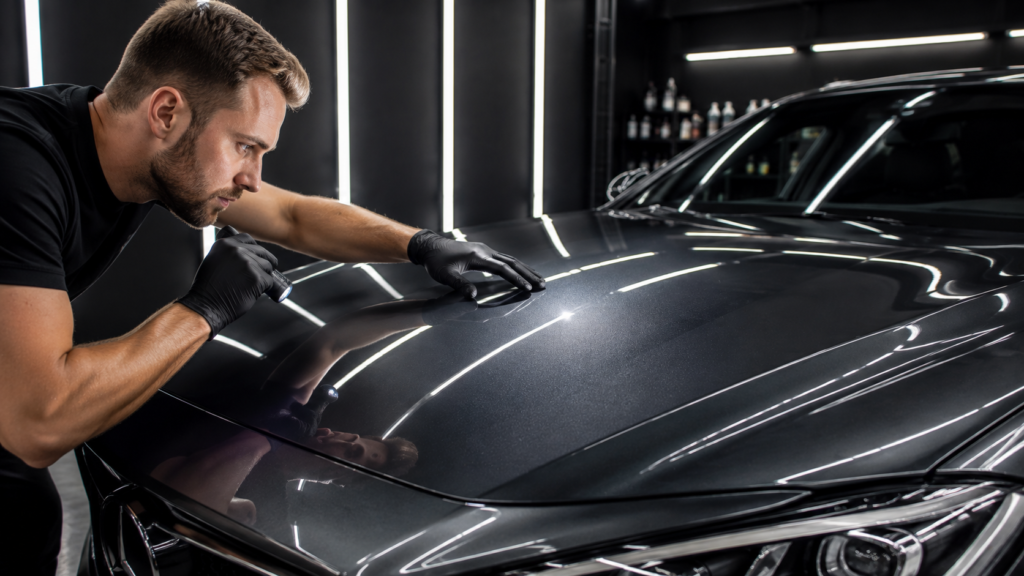
Ceramic coating prices in Santa Clarita depend on the vehicle, the condition of its paint, the preparation required and the surfaces included. A low advertised starting price and a complete paint-correction-and-coating package may cover very different work. The useful comparison is the written scope of the estimate, not the headline price alone. Pristine Auto Care provides vehicle-specific recommendations. For an accurate estimate, send your year, make and model, describe the paint condition and tell us how you use and park the vehicle. An inspection may be needed before the preparation work and final price can be confirmed. What affects the cost of ceramic coating? Vehicle size and shape: The area being coated and the complexity of the panels affect the work involved. Paint preparation: Washing, decontamination and any agreed polishing or paint correction are separate parts of the job. A vehicle with visible swirls may need a different preparation plan from one with well-maintained paint. Product and package: Ask for the coating product, the surfaces it is intended for and the care requirements. Compare the written warranty terms rather than assuming a durability claim covers every kind of damage. Coverage: Paint, wheels, glass and trim can require different products and additional work. Confirm exactly which surfaces are included. Aftercare: Ask whether inspections, maintenance visits or special care products are required, and whether they carry an additional cost. Why preparation deserves its own line in the quote A coating does not replace paint correction or repair existing chips. Before application, the paint needs suitable cleaning and preparation. Polishing may be recommended to improve visible defects, but the appropriate process depends on the finish and its condition. Ask the installer to explain which defects can reasonably be improved, which will remain and what preparation is included. This helps you compare two estimates without assuming that every package delivers the same finish. A checklist for comparing Santa Clarita coating estimates What coating product and package are being quoted? Does the price include washing, decontamination and paint correction? What level of correction is proposed? Which panels and other surfaces are included? What condition will the paint be in before the coating is applied? When can the vehicle be collected, get wet and be washed again? What does the written warranty cover, and what maintenance does it require? Are taxes, optional extras and future maintenance charges clearly identified? Keep the answers with your estimate. A clear scope makes it easier to choose the package that fits your priorities and budget. Ceramic coating or paint protection film? If your priority is gloss and easier routine cleaning, explore our ceramic coating service in Santa Clarita. If rock chips and road debris are your main concern, ask about paint protection film (PPF). A coating is not a substitute for the physical film used for that type of protection. Some owners choose a combination, but the right coverage depends on the vehicle and its use. Describe your usual driving, parking and washing routine so the recommendation addresses your actual needs. Questions before you book Does a new car still need preparation? Yes, its condition should still be assessed. A new vehicle can have contamination or visible finish defects. That does not mean every new car needs extensive polishing; the inspection should guide the preparation plan. Does ceramic coating eliminate maintenance? No. Follow the installer’s product-specific curing and washing instructions. Regular cleaning remains important. Ask about ongoing auto detailing if you would like help caring for the finish. How do I get an estimate from Pristine Auto Care? Request a ceramic coating estimate or call 661-755-1463. Include your vehicle details, the problems you want to address and the protection you are considering. Our team can explain the next steps for a vehicle-specific quote.
PPF vs Ceramic Coating: Which Protection Does Your Car Need?
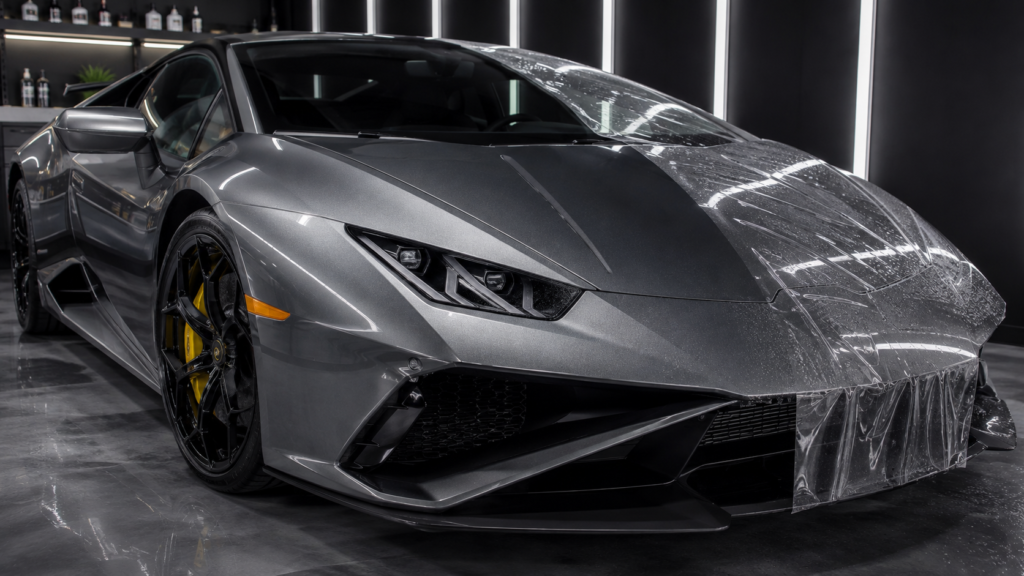
PPF vs Ceramic Coating: Which Protection Does Your Car Need? Choosing the right paint protection comes down to understanding what threats your vehicle faces daily. While both Paint Protection Film (PPF) and ceramic coatings safeguard your car’s exterior, they serve fundamentally different protective roles. Paint Protection Film (often called clear bra) is a thick, shock-absorbing polyurethane layer designed to stop physical damage like rock chips, gravel, and scratches. A professional ceramic coating is a liquid polymer that chemically bonds to your clear coat, offering extreme hydrophobic properties, chemical resistance, and deep gloss. Understanding these key differences helps you select the ideal setup for your driving habits. What Is Paint Protection Film (PPF)? Paint Protection Film is a transparent, durable polyurethane film applied directly to a vehicle’s high-impact zones or entire body panels. Its primary role is mechanical defense. Impact Resistance: PPF acts as a physical shield, absorbing the energy from flying rocks, road gravel, and debris before it reaches your paint. Self-Healing Capabilities: Most modern high-quality films feature an elastomeric top layer that heals minor wash swirls and light surface scratches when exposed to sun heat or warm water. Targeted Protection: Drivers frequently install PPF on high-wear areas such as front bumpers, hoods, fenders, side mirrors, and rocker panels. What Is Ceramic Coating? Unlike film, a ceramic coating is a hydrophobic liquid formula containing silicon dioxide ($SiO_2$). Once applied and cured, it bonds seamlessly with your factory paint surface. Chemical and UV Resistance: Ceramic coatings shield clear coats from harmful UV rays, harsh road chemicals, bird droppings, and acidic tree sap that cause oxidation and etching. Hydrophobic Water Beading: The ultra-slick surface repels water, mud, and grime, keeping your car cleaner for longer and making washing effort-free. Enhanced Paint Depth: Coatings deepen paint reflection, giving your car a permanent high-gloss finish. Key Differences Between PPF and Ceramic Coating Comparing these two protective solutions side by side highlights where each product excels: Physical Protection: PPF stops rock chips, deep scratches, and mechanical abrasion. Ceramic coating cannot stop rock chips or heavy physical impacts. Surface Slickness and Hydrophobicity: Ceramic coatings outperform standard PPF in repelling dirt, shedding water, and resisting chemical stains. Maintenance Effort: Ceramic coatings make routine vehicle washing far easier due to their self-cleaning, low-friction surface. Appearance: Both options look great, but ceramic coatings provide a noticeably sharper glass-like gloss and visual depth. Can You Combine PPF and Ceramic Coating? You do not have to pick just one. In fact, combining PPF and ceramic coating offers the ultimate vehicle paint protection strategy. Installing PPF on high-impact front panels protects your vehicle from highway gravel and debris. Applying a ceramic coating over the entire vehicle—including on top of the film—delivers maximum chemical resistance, intense shine, and easy maintenance across every surface. Driving around Santa Clarita involves exposure to intense sun, loose dust, and highway debris on the I-5 and Route 14. Combining film protection on front impact zones with ceramic coverage across the rest of the body keeps paint safe from both physical impacts and sun degradation. Learn more about routine upkeep in our Auto Detailing guide.
Ceramic Coating vs Wax: Which Is Better for Your Car?
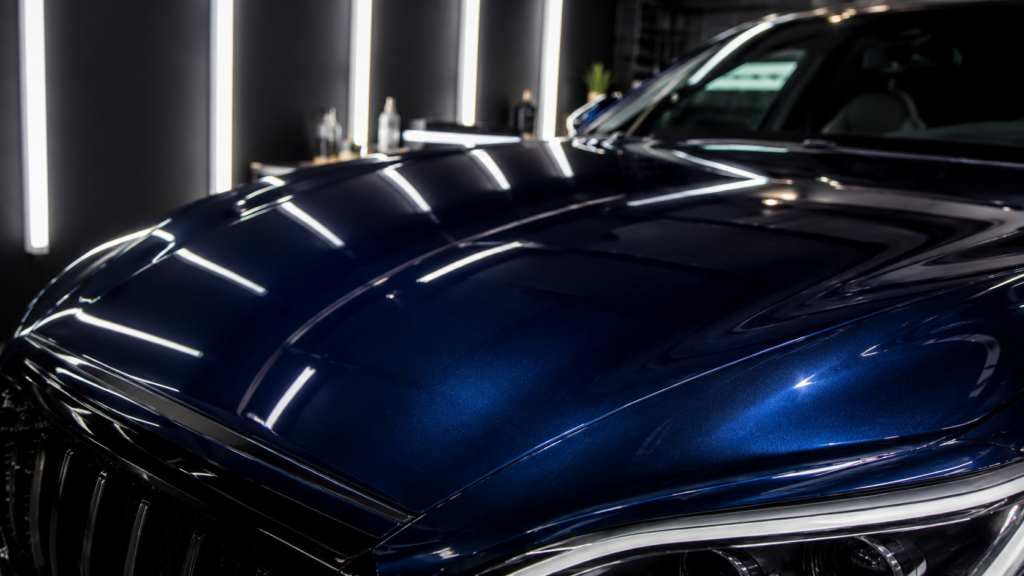
When deciding how to protect your vehicle’s paint, the choice usually comes down to traditional car wax or a modern ceramic coating. While both products enhance shine and help shield your vehicle from the elements, they offer very different levels of performance and longevity. Traditional car wax provides a temporary, budget-friendly shine that lasts a few weeks to a couple of months. A ceramic coating creates a durable, semi-permanent chemical bond with your factory clear coat, delivering years of extreme hydrophobic protection and chemical resistance. For long-term protection against the intense California sun, ceramic coating is the superior option. Key Differences Between Ceramic Coating and Traditional Wax Understanding how these two protective options differ helps you choose the right product for your vehicle and routine. Bonding Technology: Wax sits on top of your paint as a sacrificial barrier. Ceramic coating forms a hard, chemical bond directly with the paint’s clear coat. Durability: Carnauba wax and synthetic sealants degrade within 1 to 3 months. Ceramic coatings last between 2 and 5+ years depending on formula and care. Heat Resistance: Wax melts at higher temperatures, offering minimal defense during hot summer days. Ceramic coatings withstand high heat without breaking down. Ease of Washing: Ceramic coatings feature self-cleaning hydrophobic properties that prevent dirt and road grime from bonding to the surface. Durability and Environmental Protection The biggest distinction between wax and ceramic coating is how well they stand up to environmental stress. Traditional wax consists of natural carnauba or synthetic polymers. While it offers a rich, warm shine, it easily breaks down when exposed to rain, detergent wash soaps, and continuous sunlight. In places like Santa Clarita, high summer heat and UV exposure strip traditional wax off vehicle surfaces rapidly. A high-quality ceramic coating utilizes silicon dioxide ($SiO_2$) technology. Once cured, it creates a slick, hydrophobic shell that repels water, mud, tree sap, and bird droppings. It also provides essential protection against UV-induced oxidation and paint fading, keeping clear coats vibrant despite daily sun exposure. Maintenance and Ease of Cleaning Maintaining a vehicle protected by ceramic coating requires significantly less effort than maintaining a waxed car. Because traditional wax lacks strong hydrophobic qualities, dirt and brake dust cling to the paint surface. Removing contamination requires frequent washing and re-waxing multiple times per year. Conversely, a ceramic-coated vehicle features a low-surface-energy barrier. Water beads up and rolls off the panels, taking surface dirt with it. Road grime washes away effortlessly with a simple hand wash using pH-neutral shampoo, making weekly or bi-weekly vehicle maintenance fast and simple. For optimal results, pairing regular wash habits with professional practices keeps the coating performing like new. Upfront Cost vs. Long-Term Value Traditional wax appears more affordable initially because the application process requires minimal prep work. However, repeating the process four to six times a year adds up in time and maintenance costs. A professional ceramic coating requires a higher upfront investment. This is largely due to the rigorous preparation required before application, including thorough decontamination and paint correction to eliminate swirl marks. However, because a ceramic coating lasts for years without needing reapplication, it offers far greater long-term value for daily drivers and car enthusiasts alike. Overall costs depend on your vehicle’s size, paint condition, and the level of paint correction required before application. Frequently Asked Questions Can you apply wax over a ceramic coating? It is not recommended. Wax will not bond well to the slick surface of a ceramic coating. Adding wax can actually mask the coating’s superior hydrophobic properties and attract more dust and dirt. Does ceramic coating prevent scratches and rock chips? No. While ceramic coating provides light resistance against micro-marring caused by proper washing, it does not prevent rock chips, heavy scratches, or parking lot door dings. Looking for Ceramic Coating in Santa Clarita? Pristine Auto Care offers professional ceramic coating application designed to protect your car’s finish against tough UV rays and daily road wear.