Can You Polish a Ceramic Coated Car? What Owners Need to Know | Santa Clarita
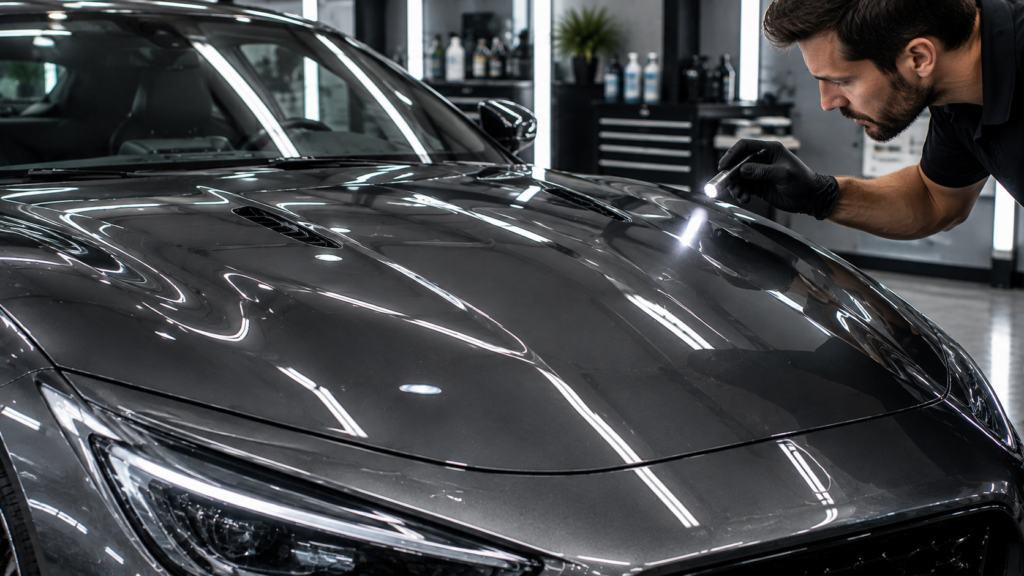
No, you should not polish a ceramic-coated car if you want to keep the coating intact. Car polishes contain micro-abrasives designed to level a microscopic layer of clear coat. Because a ceramic coating cures into an ultra-thin protective barrier over your paint, machine or hand polishing will abrade and strip the ceramic layer away. Understanding when polishing is appropriate—and what to do instead to maintain your vehicle’s shine—helps preserve your investment in long-term paint protection. Why Polishing Removes Ceramic Coating Ceramic coatings form a chemical cross-link with your factory clear coat, adding a hard, hydrophobic shield that measures only 1 to 3 microns thick. Polishing compounds work through mechanical friction. When an abrasive pad and polish rotate against body panels, they remove surface material to erase swirl marks and scratches. Because the ceramic coating rests on the outermost surface of the clear coat, any abrasive polishing action cuts directly through that protective shell. If you polish a coated car, the hydrophobic water-beading performance, UV protection, and chemical resistance will be severely degraded or removed entirely on those panels. What to Do If Your Ceramic Coating Loses Gloss If your coated vehicle begins looking dull or loses its water-repellent slickness, the issue is rarely a failed coating. In most cases, environmental road film, iron fallout, and mineral deposits have simply accumulated on top of the surface, clogging the coating’s microscopic structure. Instead of reaching for a polisher, restore your finish using safe decontamination methods: Perform a Decontamination Hand Wash: Wash the vehicle thoroughly with a pH-neutral shampoo to remove loose road film and grime. Use a Chemical Iron Remover: Spray a dedicated iron fallout remover onto the paint to dissolve embedded brake dust particles without abrasive friction. Apply a Silica Ceramic Booster: Spray a ceramic maintenance topper onto clean panels and wipe dry with a plush microfiber towel. This revitalizes the top hydrophobic layer and restores deep gloss instantly. How to Handle Scratches on a Coated Car If your vehicle suffers a light scratch after being coated, you have two main options: Leave Minor Scratches Intact: If the mark is faint and only visible under direct inspection light, it is often best to leave it alone to preserve the surrounding ceramic barrier. Spot Polish and Re-Coat: If the scratch is noticeable, the affected panel can be lightly polished using professional Paint Correction tools to remove the scratch. However, because polishing strips the coating in that area, a fresh layer of professional ceramic coating must be reapplied to that specific panel afterward. Proper Coating Upkeep in Santa Clarita Driving in the Santa Clarita Valley exposes vehicles to intense afternoon heat, blowing dust, and high UV radiation. Maintaining a smooth, glossy surface requires regular maintenance rather than heavy polishing. Washing your car every two weeks using safe hand-washing techniques prevents contaminants from baking onto the surface under the California sun. Frequently Asked Questions Does polish completely strip ceramic coating? Yes. Even mild finishing polishes contain fine abrasives that will remove or severely thin out an ultra-thin ceramic coating layer. Machine polishing is actually the primary method detailers use to intentionally remove an old ceramic coating before applying a new one. Can I apply wax over a ceramic coating instead of polishing? Applying traditional car wax over a ceramic coating is not recommended. Wax creates a soft layer on top of the coating that masks its natural hydrophobic water-beading properties and tends to attract dust. Looking for Ceramic Coating Maintenance in Santa Clarita? Pristine Auto Care provides professional detailing, decontamination washes, and ceramic coating services to keep your vehicle’s finish protected and glossy.
How to Remove Water Spots from a Ceramic Coated Car
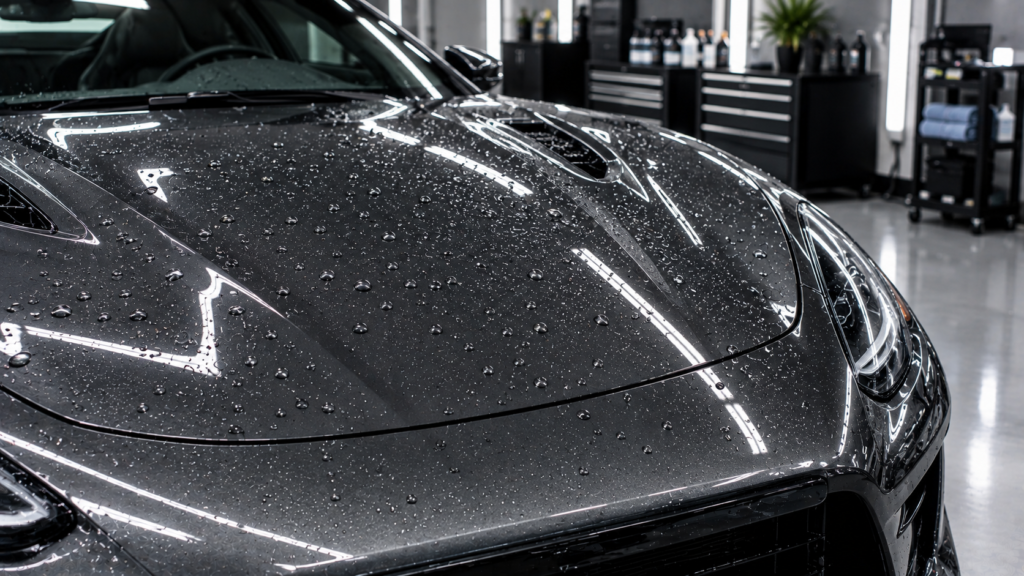
While a ceramic coating creates extreme water repellency, it does not make your car immune to water spots. If mineral-heavy tap water or rainwater dries on your vehicle under direct sunlight, dissolved minerals can remain behind on the hydrophobic layer. Fortunately, you can safely remove water spots on ceramic coating using a ceramic-safe mineral remover spray or a dedicated maintenance wash before those deposits etch into the surface. Why Water Spots Form on Ceramic Coated Vehicles Understanding why water spots occur comes down to how ceramic coatings interact with moisture: Extreme Water Beading: High-grade silicon dioxide ($SiO_2$) coatings cause water to bead up into tight, elevated spheres rather than pooling flat across the body panels. Mineral Evaporation: As those beaded water droplets sit on hot paint, the pure water evaporates into the air, leaving concentrated mineral deposits—such as calcium and magnesium—behind on the surface. Hard Municipal Water: In regions with hard water, washing your car with tap water or parking near lawn sprinklers increases the likelihood of visible mineral rings. A ceramic coating significantly delays mineral etching compared to bare clear coat, but leaving hard water deposits on hot body panels for extended periods can still cause mineral bonding. How to Safely Remove Water Spots Without Damaging the Coating Removing surface water spots requires gentle chemical dissolution rather than aggressive mechanical scrubbing. Perform a Routine Hand Wash: Wash your vehicle using the two-bucket method and a pH-neutral car shampoo to remove surface dust and loose road film. Apply a Ceramic-Safe Water Spot Remover: Spray a dedicated water spot remover or mild mineral-dissolving solution onto the affected panel. These products are formulated to dissolve calcium deposits without stripping the underlying $SiO_2$ layer. Allow Dwell Time: Let the solution sit on the surface for 30 to 60 seconds so the active ingredients can break down the mineral bonds. Wipe Gently and Rinse: Wipe the area using a clean, plush microfiber towel, then rinse the panel thoroughly with clean water to remove any residual product. Avoid using heavy compounding or aggressive machine polishing for minor water spots. Polishing removes surface minerals, but it will also strip away the protective coating layer in that area. Why Prompt Removal Matters in Santa Clarita Driving and parking in the Santa Clarita Valley exposes vehicles to high summer temperatures and intense afternoon sunlight. When hard tap water or sprinkler overspray lands on a vehicle parked outdoors in Valencia or Saugus, the ambient heat rapidly bakes those minerals onto the paint. Addressing water spots promptly stops minerals from etching through the coating’s top layer. Integrating regular maintenance into your vehicle care routine helps preserve clear coat clarity year-round. Explore our Ceramic Coating to learn more about surface protection options. Simple Tips to Prevent Water Spots Preventing hard water deposits requires minimal adjustment to your routine care: Never Wash in Direct Sunlight: Clean your vehicle early in the morning, late in the evening, or inside a garage to prevent water from drying on hot panels. Dry Thoroughly After Washing: Always dry your vehicle immediately after rinsing using a clean microfiber drying towel or an electric air blower. Avoid Lawn Sprinklers: Never park near active automated irrigation systems, as sprinkler water contains high concentrations of unfiltered minerals. Use a Silica Booster Spray: Applying a ceramic maintenance topper every few months refreshes surface slickness, making it harder for minerals to adhere. Frequently Asked Questions Will water spot removers strip my ceramic coating? No, as long as you use a product specifically formulated to be ceramic-safe. These chemical cleaners target mineral buildup without breaking down the cured ceramic cross-link. What happens if I polish water spots off my coated car? Machine polishing relies on abrasives that level the surface. While polishing removes the water spot, it will also remove the ceramic coating from that panel, requiring the coating to be reapplied. Looking for Ceramic Coating Maintenance in Santa Clarita? Pristine Auto Care offers professional detailing, paint prep, and ceramic coating services to keep your finish spotless and protected against local environmental elements.
How Long Does Ceramic Coating Last? What Santa Clarita Drivers Should Expect
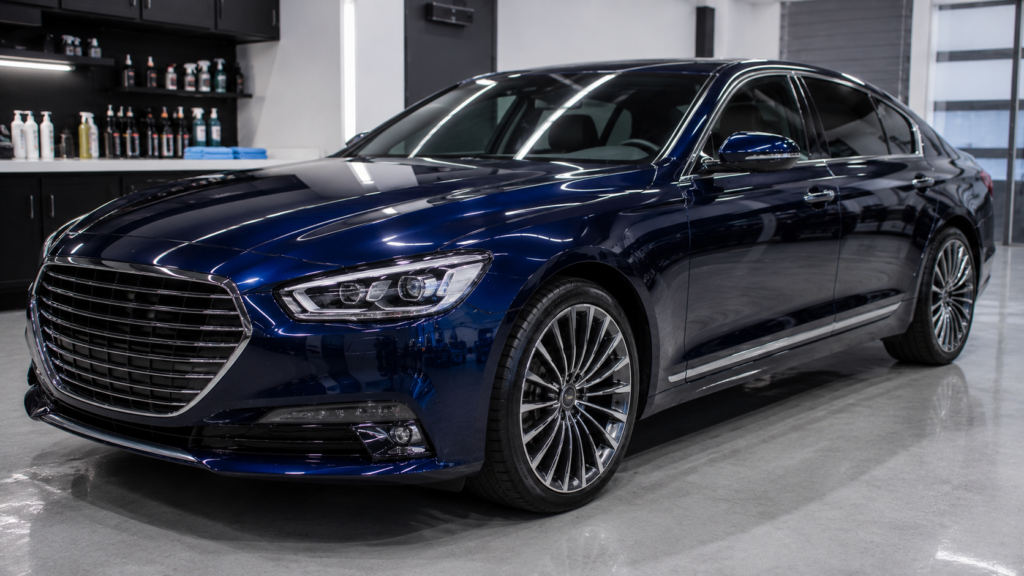
Most professional ceramic coatings last anywhere from 2 to 5 years, with some high-grade professional systems lasting even longer when properly maintained. Unlike traditional car waxes or synthetic paint sealants that wear off in a few weeks or months, ceramic coatings form a durable chemical bond directly with your vehicle’s clear coat. If you are considering this upgrade for your vehicle in Santa Clarita, understanding what factors impact coating lifespan will help you maximize your investment in vehicle paint protection. Key Factors That Determine Ceramic Coating Lifespan Not all ceramic coatings deliver the exact same durability. Several factors influence how long the protective layer remains effective on your paint: Surface Preparation: Proper paint correction and deep cleaning are essential before installation. Removing contaminants, swirl marks, and oxidation ensures the coating bonds directly to the clear coat. Product Grade: Consumer DIY sprays contain lower concentrations of silicon dioxide (SiO2) and typically last a few months to a year. A professional ceramic coating utilizes heavy-duty formulas designed to last for years. Application and Curing: Correct application technique and adequate cure time in a controlled environment directly influence chemical bonding strength. How Santa Clarita Climate Impacts Your Coating Environmental conditions play a direct role in how rapidly any exterior paint protection wears down. Drivers in the Santa Clarita Valley face specific local challenges: The combination of intense Southern California sun, high thermal exposure during summer, and airborne dust can accelerate paint oxidation if left unprotected. A ceramic coating acts as a resilient sacrificial barrier against UV rays, industrial fallout, and road grime. However, constant exposure to direct heat and sunlight means regular care remains necessary to keep the hydrophobic layer performing at its peak. DIY vs. Professional Coating Durability While over-the-counter ceramic sprays are popular for quick touch-ups, they do not offer the same longevity as professionally installed coatings. DIY products generally sit on top of the surface rather than forming a deep chemical bond. They provide short-term gloss and slickness, usually lasting between 3 to 12 months. Professional-grade coatings require precise surface preparation, special lighting, and expert application techniques, resulting in a durable shell that withstands repeated washing and heavy environmental stress for multiple years. How to Maximize the Durability of Your Coating While ceramic coatings make your vehicle significantly easier to wash, they are not maintenance-free. To ensure your coating lasts as long as possible: Wash your car every two to three weeks using a pH-neutral shampoo. Use the two-bucket wash method with clean microfiber mitts to prevent swirl marks. Avoid automated brush car washes, which rely on abrasive bristles and harsh chemicals that degrade protection. Periodically apply a dedicated booster spray to nourish the underlying hydrophobic layer. Frequently Asked Questions Does ceramic coating last forever? No, ceramic coating is not permanent. Over time, physical friction from washing, exposure to environmental contaminants, and UV rays will gradually break down the coating layers. Regular washing and periodic maintenance help preserve its lifespan for as long as possible. Can you wash your car right after ceramic coating? No, you should avoid washing your vehicle or getting it wet for at least 7 days after application. This allows the coating to cure completely and form a strong chemical bond with the clear coat without interference from water or soap. Protect Your Finish Today Looking for long-lasting ceramic coating in Santa Clarita? Pristine Auto Care provides professional vehicle paint protection tailored to local driving conditions, keeping your car glossy and protected year-round.
How to Maintain a Ceramic Pro Coated Vehicle: Complete Care Guide
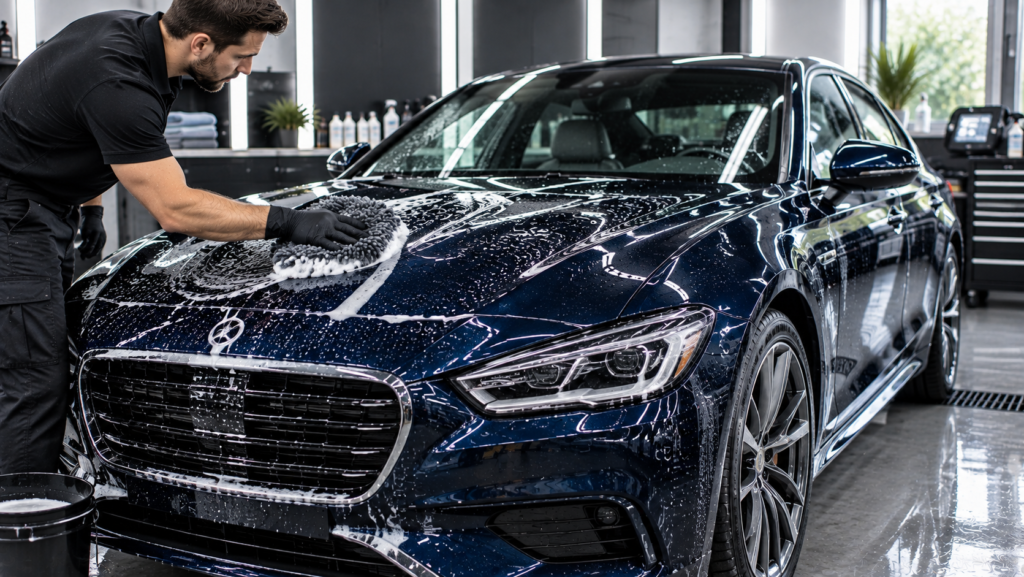
Applying Ceramic Pro nanoceramic protection gives your vehicle long-lasting gloss, extreme water repellency, and strong defense against environmental contamination. However, preserving those protective qualities requires proper ongoing care. While nanoceramic coatings offer self-cleaning properties, improper washing habits can cover the coating’s hydrophobic layer with dirt buildup or create light surface micro-marring. Following a straightforward maintenance routine ensures your Ceramic Pro coating performs at its best for years while keeping your paint looking factory-fresh. Wash Using Safe Hand-Washing Methods How you wash your vehicle is the single most important factor in maintaining a nanoceramic coating. Practice the Two-Bucket Method: Use one bucket filled with soapy water and a second bucket with clean rinse water fitted with grit guards. Rinsing your microfiber wash mitt in the clean water bucket before dipping back into the soap prevents trapped dirt from dragging across body panels. Choose pH-Neutral Shampoo: Wash exclusively with gentle car soaps free from heavy waxes, silicones, or aggressive degreasers. Soaps containing wax leave residues that temporarily clog the coating’s microscopic pores, dulling its hydrophobic water-beading performance. Wash Out of Direct Sun: Cleaning your vehicle in the shade or during cooler morning hours prevents tap water and soap from drying rapidly on hot metal panels, stopping mineral spots before they form. Avoid Automated Brush Car Washes Protecting your investment means keeping your car away from mechanical drive-through car washes. Spinning nylon brushes at automated wash facilities hold abrasive dirt, sand, and gravel from every vehicle that entered before yours. Dragging those stiff, dirty brushes across your paint creates fine swirl marks and abrades the coating’s slick top layer over time. Stick to safe hand washing or professional hand detailing services. Handle Spot Contaminants Promptly Driving in the Santa Clarita Valley exposes vehicles to intense afternoon sun, seasonal dust, and bird droppings. While Ceramic Pro provides high chemical resistance, leaving acidic bird droppings, bug splatter, or tree sap baked on hot paint under direct sunlight for days can eventually impact the surface. If spot contaminants land on your vehicle between regular washes: Spray the affected spot with a dedicated ceramic detail spray or distilled water. Let the liquid soften the dried debris for 30 to 60 seconds. Lightly wipe the debris away using a clean, plush microfiber towel without scrubbing or applying heavy pressure. Apply Periodic Silica Ceramic Boosters Over months of daily driving, road film and airborne minerals gradually build up on top of the coating. Applying an approved ceramic booster or maintenance spray every 3 to 4 months revitalizes the hydrophobic top layer, restores slickness, and helps water sheet off panels effortlessly. For complete vehicle maintenance routines and professional care, explore our comprehensive options. Frequently Asked Questions How often should I wash a Ceramic Pro coated car? Washing your vehicle every two weeks is recommended to prevent airborne dust, pollen, and road grime from building up and clogging the hydrophobic layer. Can I use quick detailer sprays on Ceramic Pro? Yes, provided the detail spray is formulated for ceramic coatings or is free from heavy natural waxes. Using ceramic-specific detail sprays helps refresh slickness between regular hand washes. Looking for Ceramic Pro Maintenance in Santa Clarita? Pristine Auto Care provides professional hand washing and detailing maintenance services designed to keep your ceramic coating performing at peak levels.
Ceramic Pro vs Traditional Wax: Key Differences Explained | Santa Clarita
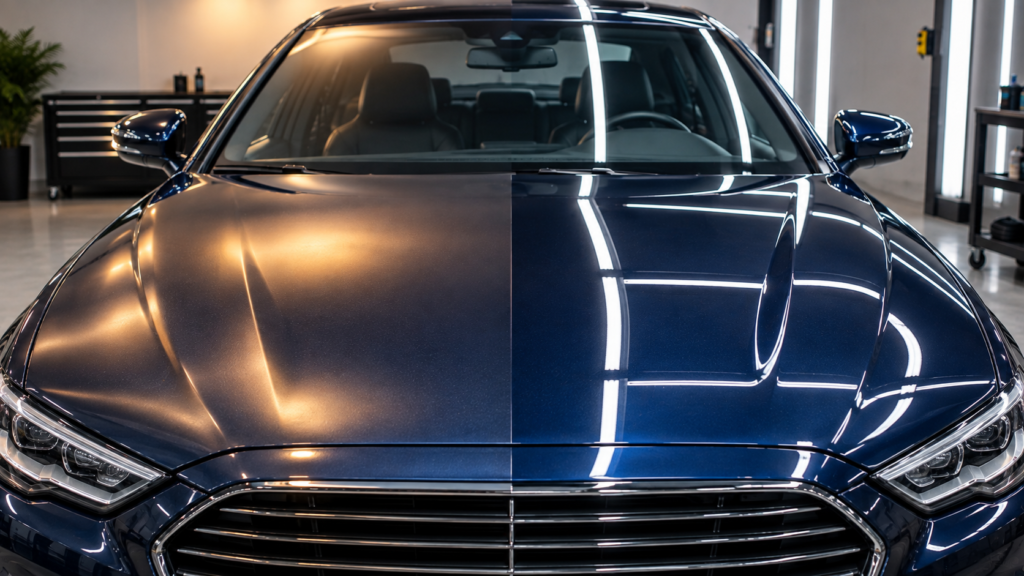
When evaluating paint protection options for your vehicle, comparing Ceramic Pro to traditional car wax reveals two fundamentally different technologies. Traditional car wax provides a temporary surface shine that lasts several weeks, whereas Ceramic Pro nanoceramic formulas chemically bond with your factory clear coat to deliver long-lasting hydrophobic performance, chemical defense, and UV protection. For drivers seeking durable paint defense against sun exposure and daily road film, understanding these key differences helps you choose the right solution for your vehicle care routine. Fundamental Differences in Bonding Technology The primary distinction between car wax and Ceramic Pro lies in how each product interacts with your paint surface. Traditional Wax: Carnauba and synthetic waxes sit on top of the clear coat as a soft, sacrificial layer. Because wax does not form a chemical bond with the surface, ambient weather, rain, and detergent washes continuously break it down. Ceramic Pro Nanotechnology: Liquid nanoceramic coatings fill the microscopic pores of your factory clear coat. As the formula cures, it forms a semi-permanent bond, creating a hard, smooth surface layer that resists environmental degradation. Thermal Defense and Heat Resistance In warm climates like the Santa Clarita Valley, direct sunlight and summer heat present constant challenges for vehicle exteriors. Dark body panels frequently reach high surface temperatures during afternoon hours. Natural carnauba wax has a low melting threshold and breaks down rapidly under thermal stress, often losing protective qualities within a few weeks of exposure to hot weather. An application withstands significantly higher temperatures without softening, melting, or washing away during routine cleaning. Maintenance Effort and Water Repellency Maintaining a waxed car requires frequent reapplication—typically four to six times a year—to keep the finish glossed and protected. Because wax lacks low surface energy, dirt, brake dust, and road oil cling to the soft surface, requiring effort during hand washes. Ceramic Pro creates a slick, hydrophobic finish with low surface energy. Water beads up into tight droplets and sheets off panels quickly, taking loose surface dust and grime along with it. Routine hand washing becomes much faster because environmental film cannot embed deeply into the clear coat pores. Incorporating routine Auto Detailing upkeep helps keep the slick surface performing like new over time. Comparing Upfront Costs to Long-Term Value Traditional wax appears economical initially due to low product prices and minimal preparation requirements. However, multiplying the cost of materials, time, and labor across several reapplication cycles per year adds up over vehicle ownership. Ceramic Pro requires a higher initial investment. This stems from the intensive preparation required before application, including chemical decontamination and surface polishing to ensure clean bonding. However, because a professional coating lasts for years rather than weeks, it provides greater long-term value for daily commuters and automotive enthusiasts alike. Frequently Asked Questions Can you apply traditional car wax over Ceramic Pro? It is not recommended. Applying wax over a nanoceramic coating masks the coating’s hydrophobic properties. Wax attracts more surface dust and reduces the self-cleaning effect provided by the underlying ceramic layer. How do I safely wash a Ceramic Pro coated car? Wash your vehicle every two weeks using a pH-neutral car shampoo, soft microfiber wash mitts, and the two-bucket wash method. Avoid automatic brush car washes, as heavy mechanical bristles can leave surface swirl marks. Looking for Ceramic Pro in Santa Clarita? Pristine Auto Care provides professional nanoceramic coating installations designed to shield your vehicle’s paint against California heat and daily road grime.
How Long Does Ceramic Coating Last? What You Need to Know | Santa Clarita
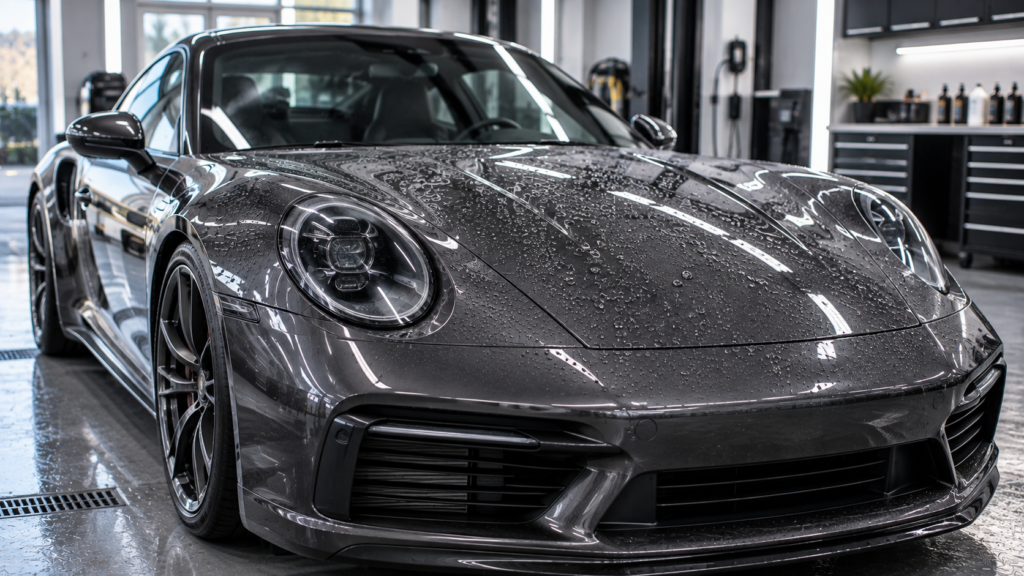
A professionally applied ceramic coating typically lasts anywhere from 2 to 5 years or more, while consumer-grade DIY sprays generally last between 6 and 12 months. The actual lifespan of any coating depends on product quality, surface preparation, and how well the vehicle is maintained. For drivers in Santa Clarita, environmental factors like intense summer heat, strong UV exposure, and ambient dust also influence how long that protective layer performs at its best. Professional vs. Consumer Ceramic Coatings Not all ceramic coatings offer the same durability. The gap in longevity usually comes down to chemical formulation and application process: Professional Ceramic Coatings: Formulated with higher concentrations of silicon dioxide (SiO2). These coatings form a semi-permanent chemical bond with your vehicle’s clear coat. They require thorough paint prep and professional installation, yielding multiple years of durability. DIY Sprays and Consumer Formulas: Designed for easy home application. While they provide great gloss and hydrophobic water-beading, they form a weaker surface bond and wear away much faster under routine washing and weather exposure. Key Factors That Influence Coating Lifespan Even a high-grade coating needs the right conditions to reach its maximum lifespan. Surface Preparation Before applying a ceramic coating, the paint must be completely free of contaminants, oxidation, and micro-scratches. Proper washing, clay bar decontamination, and paint correction ensure the coating bonds directly to the clear coat. Skipping proper surface prep significantly reduces durability. Local Climate and Parking Conditions Southern California sunshine delivers continuous UV radiation, which accelerates surface degradation over time. A vehicle parked outside daily in the Santa Clarita Valley will experience faster coating wear than a vehicle stored in a garage overnight. Maintenance Routine How you clean your vehicle directly affects the coating’s longevity. Abrasive cleaning techniques strip the hydrophobic top layer faster, leading to premature wear. How to Maximize Your Coating’s Lifespan To get the most years out of your investment, follow a proper ceramic coating maintenance schedule: Hand Wash Only: Use the two-bucket wash method with a soft microfiber wash mitt to minimize physical friction. Use pH-Neutral Soaps: Avoid harsh detergents, household cleaners, or aggressive degreasers that break down chemical sealant layers. Avoid Touch Car Washes: Automated drive-through washes use heavy brushes that hold dirt and cause severe swirling and premature coating wear. Apply periodic Boosters: Using a dedicated ceramic booster spray every few months helps refresh the coating’s top layer and maintains intense water-beading properties. Signs It Is Time for Maintenance or Reapplication Over time, your coating will gradually wear down. You will know it is losing effectiveness when: Water no longer beads up into tight spheres, but sheets flat on the surface. Dirt and grime stick to the paint more easily than before. The slick, smooth feel of the paint surfaces starts to fade. Frequently Asked Questions Does ceramic coating last forever? No. While professional ceramic coatings offer multi-year protection, they are not permanent. Over time, physical wear, environmental fallout, and chemical exposure will slowly degrade the bond. Will garage parking help my ceramic coating last longer? Yes. Parking inside protects your vehicle from continuous UV rays, bird droppings, tree sap, and dust, significantly extending the life of your coating. Looking for Ceramic Coating in Santa Clarita? Pristine Auto Care provides professional ceramic coating services designed to protect your vehicle against tough local climate conditions and keep your finish looking deep and glossy.
Can You Use an Automatic Car Wash on a Ceramic Coated Car? | Santa Clarita Auto Care
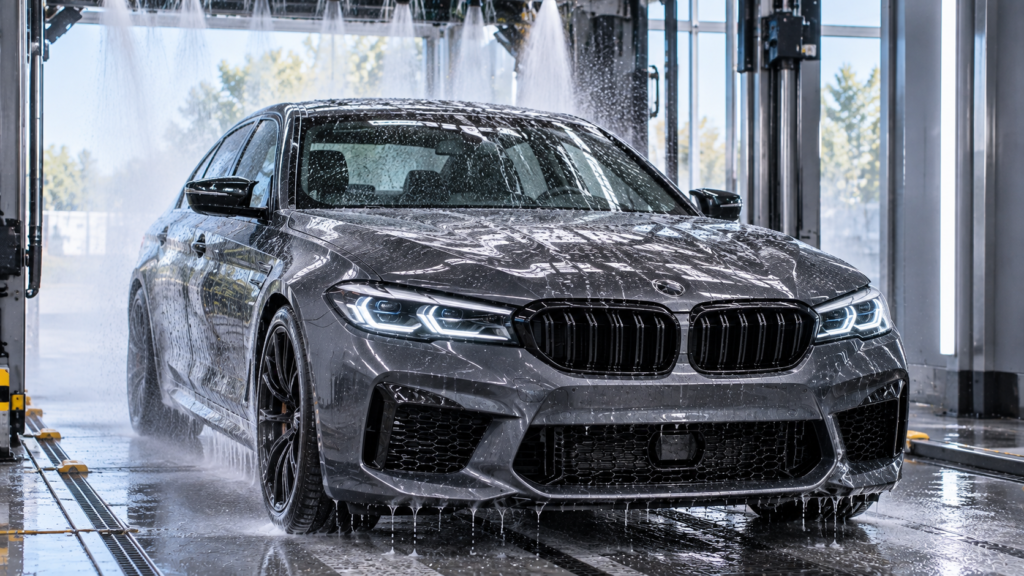
No, you should avoid taking a ceramic-coated vehicle through a traditional automatic brush car wash. While a ceramic coating provides hard chemical protection and extreme water repellency, the spinning bristles in automated washes hold heavy grit and dirt from previous vehicles. Dragging those abrasive brushes across your body panels creates micro-marring, swirl marks, and premature wear on your clear coat. Even touchless automatic washes present hidden risks due to the aggressive, high-pH chemicals used to clean without friction. Adopting proper washing habits protects your investment and maintains long-term paint gloss. Why Brush Car Washes Damage Ceramic Coatings Traditional drive-through car washes rely on heavy mechanical brushes or hanging cloth strips to scrub road dirt off vehicles. Abrasive Dirt Transfer: Brushes trap mud, sand, and road grime from every vehicle that passes through before yours. As those brushes spin against your paint at high speed, they act like coarse sandpaper. Surface Swirl Marks: Although a silicon dioxide ($SiO_2$) coating increases surface hardness, it is an ultra-thin barrier. Repeated mechanical friction gouges fine micro-scratches into the coating surface. Reduced Hydrophobicity: Severe friction wears down the coating’s top slick layer, causing water to pool flat on panels rather than forming tight, round beads. Are Touchless Car Washes Safe for Coated Vehicles? Touchless car washes eliminate physical contact by using high-pressure water jets and heavy chemical cleansers to dissolve road film. While a touchless wash will not create mechanical swirl marks, it still affects your coating over time. To strip grime without touching the vehicle, touchless facilities rely on highly alkaline detergents or acidic pre-soaks. These harsh chemicals gradually break down delicate topper sprays and degrade the top hydrophobic layer over repeated uses. While an occasional touchless wash in an emergency is far safer than a brush wash, relying on it regularly will shorten the lifespan of your professional ceramic coating. Safe Alternatives for Washing Your Coated Car Preserving your vehicle’s high-gloss shine requires gentle cleaning methods that minimize surface friction and avoid harsh chemical exposure. The Two-Bucket Hand Wash: Use two buckets equipped with grit guards—one for soapy water and one for clean rinse water. Clean panels from top to bottom using a soft microfiber wash mitt and a pH-neutral car shampoo. Self-Serve Wash Bays: Use the high-pressure rinse wand at a self-serve facility to blast away loose dust and pollen. Avoid using the shared foam brush in the bay, as it holds trapped dirt from off-road trucks and dirty wheels. Rinseless Wash Solutions: For light daily dust in Santa Clarita, a rinseless wash product paired with plush microfiber towels allows you to clean your vehicle safely in your garage without a hose. For complete care routines and product selection, review our comprehensive guide on Auto Detailing practices. Frequently Asked Questions What should I do if I accidentally take my coated car through a brush wash once? A single trip through a brush car wash will not instantly strip off a cured ceramic coating, but it may leave light surface swirls. Wash your car by hand using a pH-neutral soap on your next routine wash and apply a silica booster spray to restore slickness. Will automated car washes void my ceramic coating warranty? Many professional ceramic coating warranties specifically require safe hand-washing techniques and prohibit the use of automated brush car washes. Check your specific warranty terms to ensure proper compliance. Looking for Ceramic Coating Maintenance in Santa Clarita? Pristine Auto Care provides professional hand washing and maintenance detailing services to keep your ceramic coating performing at its peak.
How to Wash a Ceramic Coated Car: Step-by-Step Care Guide | Santa Clarita Auto Care
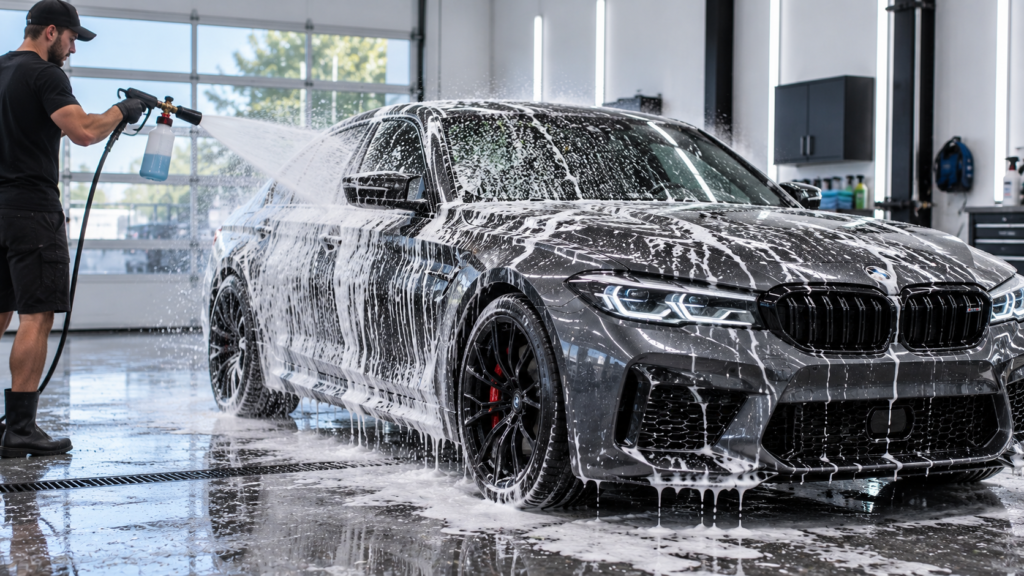
Washing a ceramic-coated car requires pH-neutral car soap, clean microfiber wash mitts, and gentle washing techniques. While a ceramic coating prevents dirt, road grime, and tree sap from bonding directly to your factory clear coat, poor washing habits can still leave light swirl marks and cover the coating’s hydrophobic layer with dirt buildup. Following proper hand-washing methods keeps your vehicle looking glossy and ensures your coating performs at its best for years. Essential Washing Supplies for Coated Vehicles Before you start washing, gather gentle, high-quality car care products: pH-Neutral Car Shampoo: Choose a soap free from harsh detergents, strong acids, or added waxes. Wax additives leave a residue that temporarily masks the coating’s self-cleaning properties. Two Wash Buckets with Grit Guards: Place a grit guard filter at the bottom of each bucket to trap dirt particles at the bottom and keep them away from your wash mitt. Microfiber Wash Mitts: Use ultra-soft plush microfiber mitts instead of coarse sponges, which trap dirt and drag it across clear coat panels. Microfiber Drying Towel or Air Blower: High-density microfiber drying towels or contactless air blowers prevent water spots without abrading the surface. Step-by-Step Guide to Washing Your Coated Vehicle Executing a careful wash routine preserves clear coat clarity and prevents wash-induced micro-marring. Rinse and Pre-Foam the Exterior: Rinse the vehicle thoroughly with a pressure washer or hose to knock off loose surface dust and heavy grit before touching the paint. If available, use a foam cannon to cover the vehicle in slick lather to loosen stubborn dirt. Use the Two-Bucket Method: Fill one bucket with soapy water and the second bucket with clean rinse water. Dip your mitt into the soap, wash one panel from top to bottom, and rinse the mitt in the clean water bucket before taking fresh soap back to the vehicle. Wash Top to Bottom: Start cleaning at the roof and glass, working down toward lower rocker panels and wheels where heavy road grime accumulates. Rinse Thoroughly: Flush away all soap residue with clean water. You will notice water sheeting and beading off the body panels rapidly due to the coating’s low surface tension. What to Avoid When Cleaning Ceramic Coatings Protecting your investment means steering clear of aggressive cleaning habits: Avoid Automatic Brush Car Washes: Mechanical car washes use heavy nylon brushes that hold abrasive dirt from previous cars, leaving heavy swirl marks across your panels. Never Wash in Direct Sunlight: High temperatures in the Santa Clarita Valley cause tap water and soap to dry quickly on hot body panels, leaving mineral deposits and water spots. Skip Dish Soap and Household Cleaners: Household detergents strip protective barriers and dry out rubber seals around glass trim. Frequently Asked Questions Can I use a pressure washer on a ceramic coated car? Yes. Pressure washers are excellent for pre-rinsing heavy dirt off a coated car. Keep the spray nozzle at least 15 to 18 inches away from the paint surface and avoid concentrated high pressure on loose trim or clear film edges. How often should I wash a ceramic coated car? Washing your vehicle every two weeks prevents airborne dust, pollen, and environmental fallout from building up on the paint surface and clogging the hydrophobic layer. Looking for Ceramic Coating Maintenance in Santa Clarita? Pristine Auto Care offers professional detailing and maintenance care to keep your ceramic coating performing like new.
How Long Does Ceramic Coating Last?
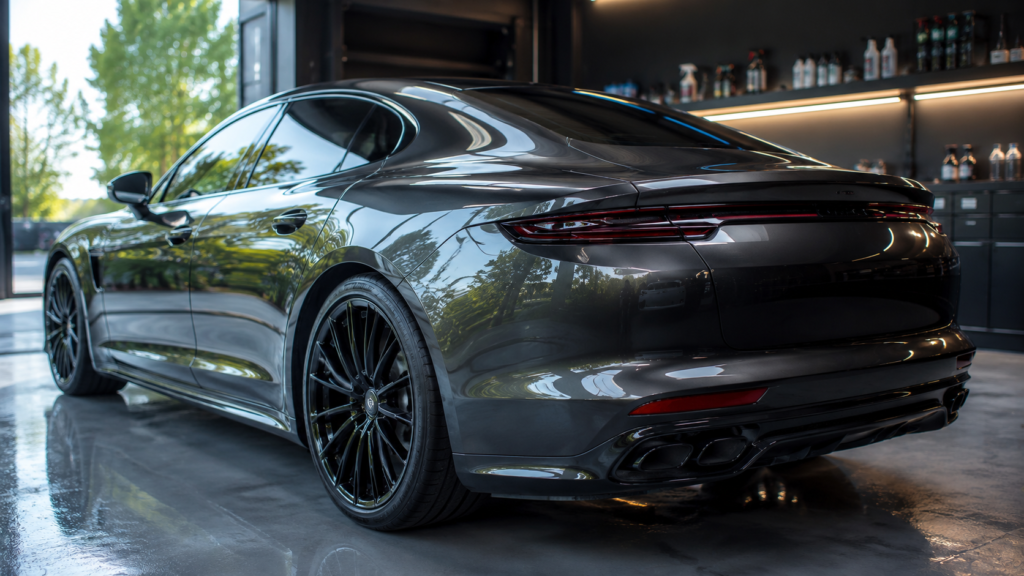
A professional ceramic coating typically lasts anywhere from 2 to 5 years, with multi-layer professional-grade formulas lasting even longer when properly cared for. Unlike traditional car wax that wears off after a few wash cycles, ceramic coatings form a chemical bond with your vehicle’s factory clear coat to provide durable, long-term protection. How long your ceramic coating remains effective depends on coating quality, surface preparation, environmental conditions, and your ongoing maintenance routine. Key Factors That Impact Ceramic Coating Lifespan Not all vehicle paint protection yields the same durability. The actual lifespan of your coating comes down to three fundamental factors: Coating Grade and Composition: Consumer-grade spray coatings or retail products usually last between 6 and 12 months. In contrast, a [INTERNAL LINK: professional ceramic coating] utilizes higher concentrations of silicon dioxide ($SiO_2$) to create a semi-permanent barrier lasting years. Surface Preparation: Paint correction is essential before application. Decontaminating the paint and removing swirl marks ensures the coating bonds directly to clear coat rather than surface dirt or oxidation. Washing Technique: Using harsh chemical detergents or automatic brush car washes degrades the protective layer prematurely, whereas proper hand washing prolongs hydrophobicity. The Santa Clarita Environment and Your Vehicle’s Paint Vehicles driven in Santa Clarita encounter specific environmental elements that test paint durability every day. Intense UV radiation from the Southern California sun breaks down unprotected clear coat, causing premature fading and paint oxidation. Additionally, hot summer temperatures and dry wind carrying dust throughout the Santa Clarita Valley act like fine abrasives on unprotected surfaces. A high-quality ceramic coating shields your vehicle against UV degradation, stubborn bird droppings, tree sap, and hard water spots caused by mineral-heavy water. How to Make Your Ceramic Coating Last Longer Proper maintenance is the key to ensuring your coating reaches its maximum lifespan. Wash Using the Two-Bucket Method: Wash your vehicle every two to three weeks using a pH-neutral car shampoo designed specifically for coated vehicles. Avoid Automated Brush Washes: Abrasive mechanical brushes at drive-through car washes leave heavy swirl marks and dull the coating’s gloss finish. Apply Silica Maintenance Sprays: Using a ceramic booster or topper spray every few months revitalizes the top hydrophobic layer and keeps the surface slick. Dry Thoroughly: Never allow tap water or rainwater to dry on the paint under direct sunlight, as mineral deposits can etch into the surface over time. Signs Your Ceramic Coating Needs Attention Ceramic protection degrades slowly over time rather than disappearing overnight. You will know your vehicle is due for a maintenance wash or boost spray when you notice: Water sheets flat across the panels instead of forming tight, round beads. Dirt and road grime cling to the paint surface more easily. The paint loses its signature smooth, slick texture during washing. Frequently Asked Questions Does ceramic coating make a car completely scratch-proof? No. Ceramic coating provides chemical resistance and helps protect against light micro-marring from proper washing, but it does not prevent rock chips, heavy scratches, or key marks. Can I extend the life of my ceramic coating? Yes. Performing regular hand washes with pH-neutral soap, avoiding automated brush car washes, and applying a silica ceramic maintenance spray every few months will maximize your coating’s durability. Looking for Ceramic Coating in Santa Clarita? Pristine Auto Care provides professional ceramic coating services designed to protect your vehicle’s paint against tough California sun and daily road contamination.