What is the best paint protection film?
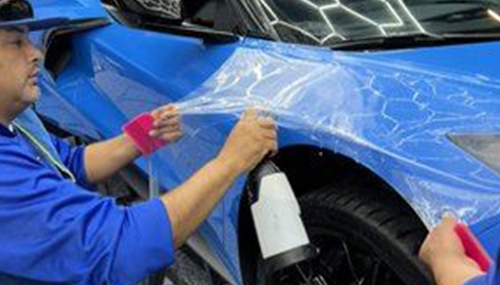
The best paint protection film for your car depends on the panels you want covered, the finish you prefer, the condition of the paint, and the installation behind it. For a Santa Clarita driver comparing PPF quotes, the useful question is: which combination of film, coverage and aftercare fits the way I use my vehicle? A brand name alone cannot answer that. Use this checklist to compare proposals before booking paint protection film in Santa Clarita. Start with your driving and coverage priorities Think about where you drive, where you park and which panels already show wear. If your routine includes I-5 or State Route 14, ask the installer to explain the coverage proposed for the front of the car. If you want a consistent appearance across the whole vehicle, compare that proposal with full-body coverage. Pristine Auto Care’s PPF service page lists front bumper, partial front, full front and full car options. Package names are only a starting point: request a written panel list for your specific make and model. Confirm whether mirrors, rocker panels, painted trim and other areas you care about are included, optional or unsuitable for film. Ask where any visible film edges or seams will fall. A lower quote may simply cover fewer panels or a smaller portion of each panel. Comparing the same coverage makes the price difference easier to understand. Compare the exact film and finish Ask for the manufacturer and full product name on the estimate. Different films from the same brand can have different finishes, care requirements and warranty terms. View a sample in daylight if possible, and look at its texture, clarity and appearance on a color similar to yours. Gloss or matte: decide whether you want to retain a glossy appearance or create a different finish, then confirm the proposed film matches that goal. Edges and complex shapes: ask how the installer plans to handle curves, openings and trim on your vehicle. Product claims: request the current technical information for the specific film instead of relying on a general promise that a brand is the best. Understand what PPF can and cannot do PPF adds a physical film over the covered surface to help protect it from everyday wear and road debris. It does not make the vehicle damage-proof. Ask what the proposed product’s self-healing claim actually covers; do not assume it means punctures, deep cuts or damaged paint will repair themselves. Water repellency also does not eliminate washing or water spotting. Ceramic Pro’s KAVACA aftercare guidance explains that unsuitable cleaning methods can damage the film. Get written instructions for your installed product, including when washing can resume and which products to use. If easier cleaning is also a priority, discuss whether a compatible coating is appropriate. Our ceramic coating service page explains that option; it should not be treated as a replacement for the film coverage you want. Review paint preparation and installation Tell the installer about repainted panels, existing chips, peeling clear coat or previous film. Ask what inspection and preparation are included, and whether any correction or repair is recommended before installation. Have optional work listed separately so you can understand what you are approving. When reviewing finished examples, look beyond a distant photo of a shiny car. Ask to see the edges, corners and areas around trim. Find out how post-installation concerns are handled and whether a follow-up inspection is included in your quote. Read the warranty for the quoted product Request the current written warranty before choosing a package. Check the covered defects, exclusions, registration process, maintenance obligations and transfer rules. Also ask how installation workmanship is handled, since a product warranty does not explain every part of the installer’s service. Ceramic Pro publishes product-specific warranty and aftercare documents. Match the document to the exact film on your estimate. A headline such as “lifetime” is not enough information to compare coverage, and a warranty term is not a promise that every kind of damage will be covered. Bring this checklist when requesting a PPF estimate Your vehicle’s year, make, model and paint or repair history. The panels you want protected and your preferred finish. The exact film name, preparation and coverage included in the quote. The expected appointment duration and aftercare instructions. The applicable written warranty, registration and follow-up process. Ready to compare options for your vehicle? Request a PPF estimate from Pristine Auto Care. Share your driving routine and coverage priorities so the conversation starts with what you need protected.
Sail into Summer with Confidence: Protecting Your Boat with Ceramic Pro Marine Ceramic Coating
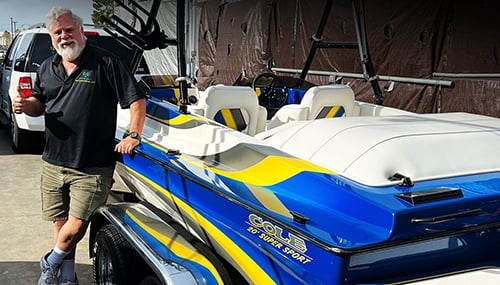
As the summer season approaches, boat enthusiasts eagerly prepare to embark on memorable adventures on the water. However, amidst the excitement, it’s essential to prioritize the protection of your beloved vessel. One of the most effective ways to shield your boat from the harsh elements is by applying Ceramic Pro Marine ceramic coating. In this blog post, we will explore the benefits and reasons why Ceramic Pro Marine is the ideal choice for preserving and enhancing the beauty of your boat during the summer months. Unmatched UV Protection Summer brings long, sunny days, but the relentless UV rays can wreak havoc on your boat’s exterior. Ceramic Pro Marine ceramic coating provides an exceptional shield against UV radiation, preventing color fading, oxidation, and damage to the gel coat. The advanced nanotechnology embedded in the coating acts as a protective barrier, keeping your boat’s finish vibrant and preserving its showroom shine for years to come. Resistant to Saltwater and Corrosion Boating enthusiasts often venture into saltwater environments, which can accelerate corrosion and degradation of the boat’s surface. Ceramic Pro Marine offers exceptional resistance to saltwater, protecting your boat from the harmful effects of salt, mineral deposits, and marine organisms. The hydrophobic properties of the coating create a water-repellent barrier, preventing saltwater from adhering to the surface and reducing the risk of corrosion and pitting. Easy Cleaning and Maintenance The joys of boating often come with the inevitable accumulation of dirt, salt, and other contaminants. However, with Ceramic Pro Marine, maintenance becomes a breeze. The smooth and hydrophobic surface created by the ceramic coating prevents dirt and grime from bonding to the boat’s surface. Cleaning your boat becomes more efficient, requiring less time and effort. The coating also minimizes the risk of stains and makes it easier to remove stubborn marks, ensuring your boat looks its best with minimal upkeep. High Gloss and Aesthetic Enhancement Ceramic Pro Marine ceramic coating doesn’t just protect; it enhances the visual appeal of your boat. The coating adds a high gloss finish to the boat’s exterior, accentuating its colors and giving it a polished, reflective shine. The depth and clarity of the coating elevate the aesthetics, making your boat stand out on the water and turning heads wherever you go. With Ceramic Pro Marine, your boat becomes a true showstopper. Long-Lasting and Cost-Effective Solution Investing in Ceramic Pro Marine ceramic coating is a wise decision for long-term protection and cost savings. The durable nature of the coating ensures that it withstands the rigors of boating and remains intact for an extended period. By reducing the risk of damage, fading, and corrosion, the coating helps maintain your boat’s value. Additionally, the long-lasting properties of Ceramic Pro Marine mean that you can enjoy the benefits of protection throughout multiple boating seasons, saving you money on frequent reapplication. As summer beckons, ensuring the protection and preservation of your boat is crucial. Ceramic Pro Marine ceramic coating offers an unmatched defense against UV rays, saltwater, corrosion, and the elements, while enhancing the aesthetics of your vessel. By investing in Ceramic Pro Marine, you can confidently sail into summer, knowing that your boat is shielded, easier to clean, and has a stunning, long-lasting shine. Don’t compromise on the well-being and appearance of your boat—give it the ultimate protection it deserves with Ceramic Pro Marine ceramic coating
How Often Does Your RV Need Detailing?
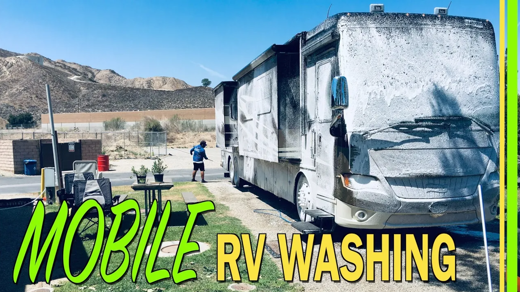
Owning an RV is a dream come true for many adventure enthusiasts. Whether you’re embarking on a cross-country road trip or enjoying a weekend getaway, your RV is your home on wheels. As with any vehicle, regular maintenance and care are essential to keep it in top condition and retain its beauty. Detailing your RV is a critical aspect of its upkeep, but how often should you do it? In this blog, Pristine Auto Care will guide you on how frequently your RV needs detailing and why it’s crucial for its longevity and appeal. Understanding RV Detailing RV detailing is a comprehensive cleaning and restoration process designed to rejuvenate and protect the various surfaces of your recreational vehicle. It goes beyond a regular car wash, involving deep cleaning, polishing, and conditioning of both the interior and exterior components. From the roof to the wheels and everything in between, detailing ensures that your RV is in pristine condition, ready for your next adventure. How Often Should You Detail Your RV? The frequency of RV detailing depends on various factors, including: Usage: If you frequently use your RV and embark on long trips, it’s exposed to more dirt, grime, and environmental contaminants. In such cases, detailing every three to four months is recommended. Storage: If your RV spends extended periods in storage, it may accumulate dust, mold, and mildew. In such situations, it’s ideal to detail your RV before storing it and upon taking it out of storage. Environmental Conditions: RVs exposed to harsh weather conditions, such as extreme heat, cold, or salty coastal air, may require more frequent detailing to protect against environmental damage. Personal Preference: Some RV owners take pride in maintaining a showroom-like appearance for their vehicles and may opt for more frequent detailing, even every month. Overall Condition: Regularly inspect your RV’s exterior and interior for signs of wear and damage. If you notice fading paint, stains, or other issues, consider detailing to prevent further deterioration. What Are the Benefits of Regular RV Detailing? Preserves Aesthetic Appeal: Detailing restores your RV’s shine, making it look brand new and attractive. This enhanced appearance adds to your pride of ownership and boosts its resale value. Protects Against Environmental Damage: Detailing includes the application of protective coatings and sealants that safeguard your RV’s surfaces from UV rays, oxidation, and environmental pollutants. Maintains Interior Comfort: Interior detailing involves thorough cleaning and conditioning of surfaces, ensuring a comfortable and inviting living space during your travels. Extends Lifespan: Regular detailing prevents the buildup of dirt, grime, and corrosive substances that can lead to premature wear and deterioration of your RV’s components. Enhances Safety: Clean windows, mirrors, and lights improve visibility, enhancing safety on the road. Professional RV Detailing Services While some RV owners may attempt DIY detailing, professional RV detailing services provide unmatched expertise, tools, and products to achieve superior results. Trained technicians at Pristine Auto Care have the knowledge and experience to handle your RV with care, delivering a deep clean and restoration that keeps your vehicle in prime condition. Call Pristine Auto Care Today! RV detailing is not just about aesthetics; it’s a crucial aspect of maintaining your RV’s performance, comfort, and longevity. Regular detailing protects your investment, enhances its appeal, and ensures you have a safe and enjoyable adventure on the road. At Pristine Auto Care, we understand the importance of your RV, and our expert RV detailing services are tailored to meet your unique needs. For professional RV detailing that exceeds your expectations, contact us today and schedule your service and experience the difference in the care of your beloved RV!
Boat Detailing 101: Inside the World of Boat Detailing
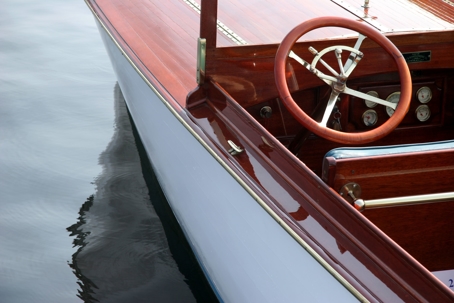
For boating enthusiasts, there’s nothing quite like the feeling of gliding across the water on a beautiful, well-maintained boat. Just like cars, boats require regular care and attention to keep them in top condition and preserve their appearance. Boat detailing is the key to maintaining the beauty and functionality of your watercraft. In this blog, Pristine Auto Care dives into the world of boat detailing, exploring its importance, the processes involved, and the benefits it offers for boat owners. The Importance of Boat Detailing Boats are exposed to harsh environmental elements, such as saltwater, UV rays, algae, and dirt. These factors can take a toll on your boat’s gel coat, paint, upholstery, and other surfaces. Regular detailing helps to combat the effects of exposure and protects your boat from premature wear and tear. What Are the Advantages of Boat Detailing? Enhanced Appearance: Boat detailing leaves your vessel looking fresh, shiny, and well-maintained, boosting its curb appeal and making you proud to show it off. Protection from Environmental Damage: Detailing protects your boat from the damaging effects of saltwater, UV rays, algae, and other environmental elements, preserving its structural integrity. Increased Resale Value: A well-detailed boat holds its value better and is more attractive to potential buyers if you decide to sell or upgrade in the future. Improved Performance: A clean and well-maintained boat is likely to perform better and deliver a smoother, more enjoyable ride on the water. Prevention of Long-term Damage: Regular detailing prevents minor issues from becoming major problems, potentially saving you from costly repairs down the line. The Boat Detailing Process Boat detailing involves a thorough cleaning and restoration process, addressing both the exterior and interior components. The following are the key steps typically included in boat detailing: Washing and Rinsing: The boat is thoroughly washed to remove surface dirt, salt, and grime. A low-pressure rinse is used to avoid damaging delicate components. Decontamination: A clay bar or decontamination solution is used to remove bonded contaminants, such as tree sap, bird droppings, and stubborn stains. Polishing and Waxing: The boat’s gel coat or paint is polished to remove minor imperfections and restore its shine. A protective wax or sealant is then applied to shield the surface from UV damage and prevent oxidation. Cleaning and Conditioning Interior Surfaces: The interior of the boat, including upholstery, carpets, and vinyl surfaces, is thoroughly cleaned and conditioned to maintain their appearance and prolong their lifespan. Metal and Glass Cleaning: Metal surfaces, such as rails and fittings, are cleaned and polished to remove oxidation and restore their luster. Windows and glass surfaces are also cleaned for improved visibility. Engine and Mechanical Component Cleaning: Depending on the level of service, boat detailing may also involve cleaning and protecting the engine and other mechanical components. Professional Boat Detailing Services While DIY boat cleaning is possible, professional boat detailing services provide the expertise, specialized equipment, and high-quality products needed to achieve superior results. Trained technicians at Pristine Auto Care have a deep understanding of various boat materials and finishes, ensuring that your watercraft is treated with the utmost care and attention. Call the Team at Pristine Auto Care Today Boat detailing is a vital aspect of boat ownership, helping to maintain your vessel’s appearance, performance, and longevity. Regular detailing protects your boat from the elements and enhances your overall boating experience. At Pristine Auto Care, we offer professional boat detailing services that will keep your watercraft in pristine condition and ready for your next aquatic adventure. To schedule your boat detailing appointment or to learn more about our services, contact our team online today!
Can You Add Ceramic Tint to Factory Privacy Glass?

Yes, a compatible ceramic window film can often be installed on factory privacy glass. The right choice depends on your vehicle’s glass, any film already present, the windows being treated and how much visibility you want to retain. Dark rear windows alone do not tell you how a vehicle will perform in the Santa Clarita sun. Before booking window tinting in Santa Clarita, separate three questions: how dark is the glass, how does it manage solar heat, and what happens when another layer is added? Factory privacy glass and applied film are different Factory privacy glass gets its dark appearance from the glass itself. Aftermarket window film is a separate layer, typically applied to the inside surface. A previous owner or dealership may also have added film, so ask the installer to inspect the glass rather than judging by its appearance. Do not assume every dark factory window has the same heat or UV performance. Check the vehicle manufacturer’s glass information and the proposed film’s specifications. Manufacturers describe products intended to improve existing privacy glass; for example, LLumar explains this use for its clear automotive film. That illustrates the distinction between appearance and performance, rather than confirming which product suits your vehicle. Understand the final darkness before choosing a shade Visible light transmission, or VLT, describes how much visible light passes through the glass or film. A lower percentage means less light gets through. The film’s shade label is not the final reading after it is installed over glass that is already dark. As a rough illustration, glass transmitting 20% of visible light combined with film transmitting 70% would transmit approximately 14%: 0.20 × 0.70 = 0.14. Actual measurements can differ, so have the installer assess the existing glass and the completed combination. This example is not a recommended shade or a legal compliance test. If the current rear-window darkness already suits you, ask about a lighter film that addresses your comfort priorities. Discuss visibility when reversing or driving at night, and view a sample where practical. Matching the front and rear appearance should not override the requirements for each window. Compare heat performance separately from darkness Ask for the exact product and shade on the estimate, along with its technical data. Useful figures include visible light transmission, total solar energy rejected (TSER), UV rejection and infrared rejection. These describe different things: an infrared percentage is not the same as a percentage reduction in cabin temperature. Ceramic Pro’s published window-film specification sheet lists film-only and glass-plus-film VLT separately, as well as infrared measurements over different wavelength ranges. Compare equivalent measurements and ask for the current sheet for the exact product being quoted. For a car parked outside in Valencia or used for afternoon school pickups in Saugus, explain which seating positions feel uncomfortable. That gives the installer a clearer starting point than simply asking for the darkest shade. Film can help manage solar heat through treated glass, but it does not replace air conditioning or keep a parked vehicle at a fixed temperature. Check California rules for each window California treats rear side windows, the rear window, front side windows and the windshield differently. Do not assume a rear-window choice can be applied to the front. Under California Vehicle Code section 26708, the front-side-window exception has multiple conditions: clear, colorless, transparent material with at least 88% VLT, combined glass-and-material transmission of at least 70%, and certification and other requirements. A film marketed as “70%” does not, by itself, establish compliance. Have the installer explain the applicable requirements before approving the work. What to ask when requesting an estimate Is this factory privacy glass, existing aftermarket film, or both? Which windows are included, and is removal of old film required? What exact film and shade are proposed for each window? What final VLT and appearance should I expect on this vehicle? What preparation, aftercare and written warranty apply? Request a written breakdown if removal or additional preparation is needed. Also ask when you can operate the windows and clean the glass after installation; follow the instructions for the installed product. Plan your window-tint consultation Bring your vehicle’s year, make and model, any information about previous tint, and your priorities for comfort, appearance and visibility. Request a window-tint estimate from Pristine Auto Care to discuss suitable options for your vehicle. An inspection and a clear specification are more useful than choosing a film from a darkness percentage alone.
Is PPF Worth It for Your Tesla in Santa Clarita?

Is paint protection film worth it for a Tesla in Santa Clarita? It can be a useful choice when reducing chips and everyday paint wear matters to you, but the right coverage depends on your driving, the car’s condition and your budget. A Model 3 used for regular freeway commuting may call for a different discussion than a Model Y driven mostly on short local trips. Start with the problem you want to solve. Are you concerned about marks on the front bumper, wear around lower panels, or preserving the appearance of the whole car? Use those priorities to compare paint protection film options in Santa Clarita before choosing a package. What PPF can and cannot do for your Tesla PPF adds a protective film over selected painted surfaces. It can help reduce damage from small road debris and minor abrasion, but it cannot make a car damage-proof. Deep gouges and heavy impacts can still damage the film or paint. “Self-healing” describes certain minor marks in a film’s surface; it does not mean torn film or damaged paint repairs itself. Ceramic Pro’s PPF guide explains these distinctions. Judge your own vehicle rather than assuming every Tesla has the same paint condition. Ask the installer to inspect existing chips, scratches, repainted panels and previous protective products. Agree on any preparation before installation rather than expecting film to repair existing damage. Partial front, full front or full body? Package names are a starting point, not a coverage map. Ask for a written panel list and a walk-around of your Tesla so you can see exactly where the film will stop. Partial front: Ask how much of the hood and fenders is included and whether the bumper and mirrors are covered. A film edge across a panel may be visible; decide whether that tradeoff suits you. Full front: Confirm whether this means the complete hood, front fenders, bumper and mirrors. Ask separately about lower side panels and other areas you want protected. Full body: Request an explicit list of included painted panels and exclusions. Do not assume glass, lights, trim or every small edge is part of the quote. For a Santa Clarita driver using I-5 or Highway 14 regularly, front-end coverage is a sensible topic to discuss. Full-body coverage may suit someone who prioritizes broader protection, but it should be a deliberate budget choice. XPEL’s manufacturer FAQ also notes that partial-wrap edge visibility depends on the vehicle’s color and finish. Do you need ceramic coating as well? Film and coating serve different purposes. PPF supplies a physical protective layer; ceramic coating primarily adds gloss and water-repelling properties that can help with cleaning. Coating alone is not a substitute for film when your main concern is rock chips. Ask whether an additional coating is appropriate for the exact film being quoted and what maintenance it requires. A useful quote separates the film coverage, preparation and optional coating. That lets you decide which problem each item addresses without assuming that every treatment is necessary. What should a Tesla PPF quote include? Compare two quotes using the same coverage and finish. A lower total means little if one leaves out panels or preparation you expected. Your Tesla’s model, model year and current paint condition. The exact film manufacturer, product name and finish. A panel-by-panel coverage list, including any visible seams or exposed edges. Any paint preparation, existing-film removal or correction quoted separately. The installation schedule, collection instructions and follow-up process. Written manufacturer and installation warranty terms, exclusions and any registration requirements. Ask what happens if a panel later needs film replacement. Do not treat a warranty length as a promise against every chip, stain or accident, or assume the installation cost will be recovered when you sell the car. Plan the first wash before collection Request aftercare instructions for the actual film installed, including when to wash, suitable cleaning products and how to care for edges. Follow those instructions instead of applying one universal waiting period. If an edge lifts or a mark worries you, send the installer a photo before attempting to polish, peel or heat the film yourself. Get advice for your Tesla in Santa Clarita To request a PPF estimate from Pristine Auto Care, share your model and year, paint condition, usual driving and preferred coverage. Include photos of existing damage if available. The next step is a clear coverage recommendation and written quote based on your vehicle, rather than a blanket promise that every Tesla needs the same package.
Full Body Wrap and Ceramic Tint IR on a Tesla Cybertruck
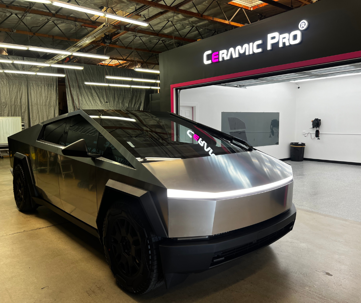
Project Overview: At Pristine Auto Care, we specialize in providing top-tier services and using the highest quality products. Recently, we had the pleasure of working on a Tesla Cybertruck, performing a full body wrap and ceramic tint IR to enhance its unique design and performance. Products Used: Ceramic Pro KAVACA Ultimate IR Ceramic Window Tint Unique Features of the Tesla Cybertruck: The Tesla Cybertruck stands out with its futuristic design and innovative features, including privacy glass on the rear windows and clear glass on the front windows. Despite the different appearances, there is no difference in heat rejection between these types of glass. Importance of Tinting: When it comes to tinting your Cybertruck, or any vehicle, it’s essential to consider the protection against infrared rays, visible light, and UV rays. The KAVACA Ultimate IR Ceramic Tint is an ideal solution, being the world’s first luxury ceramic window film. This advanced nano-ceramic technology blocks up to 99% of all infrared radiation, which is the heat you can feel. Customization Options: The Ultimate IR Ceramic Tint offers a wide range of visible light transmission (VLT) options, from 5% to 80%, giving you the flexibility to fully customize your vehicle’s appearance and performance. Installation Insights: The Tesla Cybertruck, with its unique design, required meticulous attention during the installation process. Our experienced team at Pristine Auto Care ensured that every detail was handled with precision, resulting in a flawless finish. Conclusion: At Pristine Auto Care, we are dedicated to enhancing your vehicle with the best products and services available. Our work on the Tesla Cybertruck with Ceramic Pro KAVACA Ultimate IR Ceramic Window Tint showcases our commitment to quality and customer satisfaction. For anyone looking to tint their Cybertruck or any other vehicle, Pristine Auto Care offers unparalleled service and expertise.
Ceramic Coating vs. Wax: Which One Offers Better Protection?
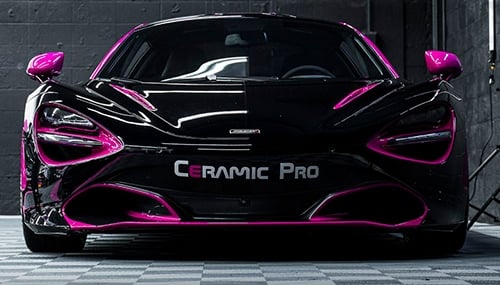
When it comes to protecting your car’s exterior, two popular options stand out: ceramic coating and traditional wax. Both offer unique benefits, but which one is the better choice for your vehicle? In this guide, we’ll compare ceramic coating and wax to help you decide which protection method best suits your needs. Understanding Wax Protection What is Car Wax? Car wax is a natural or synthetic protective layer applied to a vehicle’s paint to enhance shine and provide some level of protection against contaminants. The most common types of car wax include: Carnauba Wax – Derived from palm tree leaves, it provides a deep, glossy finish but has a shorter lifespan. Synthetic Wax – A longer-lasting option made from polymers that offer enhanced durability compared to natural wax. Benefits of Wax Enhances shine and depth of paint color. Provides minor protection against UV rays, dirt, and water. Easy to apply and remove. Budget-friendly option for car owners. Drawbacks of Wax Short lifespan – Lasts between 4-8 weeks before reapplication is needed. Less durable against environmental elements like acid rain and bird droppings. Requires frequent maintenance to maintain its effectiveness. Understanding Ceramic Coating What is Ceramic Coating? Ceramic coating is a liquid polymer that bonds with your car’s paint, creating a semi-permanent protective layer. This coating is usually made from silicon dioxide (SiO2), providing superior durability and resistance compared to wax. Benefits of Ceramic Coating Long-lasting protection – Can last 2-5 years with proper care. Superior hydrophobic properties – Repels water, making it easier to clean your car. Enhanced resistance to UV rays, oxidation, and chemical contaminants. Adds a deep, glossy finish similar to wax but with better longevity. Reduces maintenance needs, minimizing the need for frequent waxing. Drawbacks of Ceramic Coating Higher upfront cost compared to wax. More involved application process, requiring professional installation for best results. Doesn’t prevent scratches or rock chips, although it can reduce minor swirl marks. Which One Offers Better Protection? If your main goal is affordability and ease of application, wax is a great choice for short-term shine and protection. However, if you’re looking for long-term durability, better hydrophobic properties, and enhanced resistance, ceramic coating is the superior option. The Verdict: Choose wax if you want an inexpensive, quick, and easy way to enhance your car’s shine and don’t mind frequent reapplications. Choose ceramic coating if you want a long-lasting, high-performance protective layer that requires less maintenance. Get Professional Ceramic Coating Services at Pristine Auto Care At Pristine Auto Care, we specialize in professional ceramic coating applications that offer unmatched protection and durability. If you’re ready to upgrade from wax to ceramic coating, contact us today to schedule an appointment! Call (361) 214-7447 today or contact us online to learn more about our roofing services in Corpus Christi.