Shine On: Why Automotive Ceramic Coating is a Must
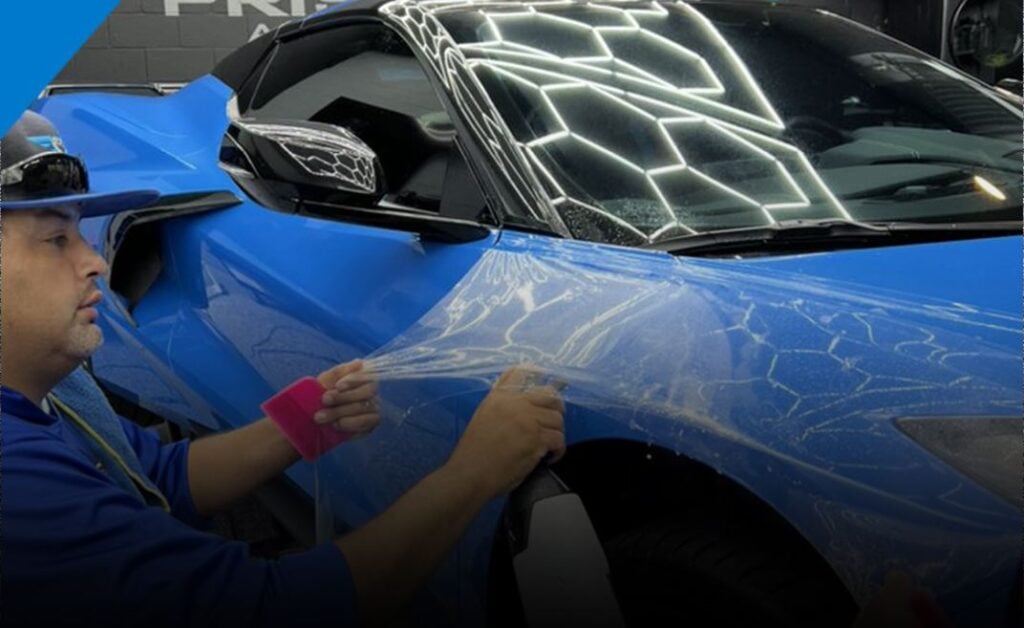
There are a lot of good reasons to have ceramic coating professionally applied to your vehicle, especially if you live in the Santa Clarita area with its relentless sun and extreme summertime temperatures that quickly oxidize unprotected paint. Consider ceramic coating SPF for your ride. Here, the experts at Pristine Auto Care explain what ceramic coating is and why your vehicle is vulnerable without it. Ceramic Coating: Your Ride’s Second Skin Car enthusiasts want two things: Horsepower and paint so pristine the vehicle looks like it rolled right off the factory floor. But here’s the thing about that factory paint job: It’s not going last. That new-car shine will eventually lose its luster under the punishing SoCal sun. That’s why many car lovers opt for ceramic coating. It’s an aftermarket solution that protects painted metals from fading and rusting. How Ceramic Coating Works Ceramic coating is a nanoscopic paint treatment, what we call “liquid nano-ceramic.” That means nanoparticles anchor to the surface of your vehicle, forming a chemically bonded clear coat that shields against grease, oil, acids, dirt and water. These things will roll off the surface like water off a duck’s back. The ceramic coating provides a durable finish that inhibits corrosion, minimizes scratches and resists stains while producing an exceptional shine. Ceramic Coating vs. Wax We know what you’re thinking: But doesn’t waxing protect against fading? Wax seals against environmental pollutants but only temporarily. You’ll need to wax your ride every four to six weeks – consider upping the frequency if you park outside in a harsh climate (i.e. Santa Clarita in August.) Unlike ceramic coating, which forms a chemical bond with the surface, wax simply sits atop your vehicle. It’s not nearly as durable. Ceramic Coating: Can You DIY? We don’t recommend it. Any mistakes a DIYer makes will be permanent. (Sorry, but those ugly swirls will never buff out.) The process of applying a liquid nano-ceramic is complicated. That’s why our applicators undergo extensive training and follow a detailed, multistep process, including a heat-treating process, to ensure quality control. Properly applied and maintained, a ceramic coating can last a lifetime. Ceramic Coating for Boats and RVs, Too Do you want to keep your boat looking its best while zipping around Castaic Lake? Maybe you want to keep your camper glossy while enjoying the Great Outdoors. Pristine Auto Care can apply the same clear coat technology to boats and RVs. We can even give your four-wheeler a ceramic coat to keep it clean while off-roading at Drinkwater Flats. When you want to protect your ride from damaging UV rays, dirt and scratches, give it a coat of protective armor, applied by the experts at Pristine Auto Care. To schedule an estimate, contact us today at (661) 755-1463.
How to Wash Your Car After a Ceramic Coating
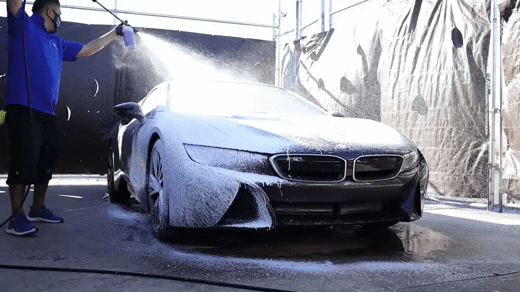
To wash a ceramic-coated car, start with the instructions for the coating actually installed, choose compatible soap and clean wash tools, then rinse, wash and dry without letting products dry on the paint. A pressure washer can help with the pre-rinse; it does not make every wash contact-free or replace careful drying. For Santa Clarita owners planning a home wash, this guide explains which supplies to choose and how the pressure-rinse and two-bucket methods fit together. If the coating is new, confirm that washing is allowed before starting. Before the first wash: confirm the coating is ready Do not assume that every coating is ready for detergent washing after seven days. Ask the installer for the product name, the first permitted wash date and instructions for rain, sprinkler water or bird droppings during curing. The requirements may differ for paint, glass, wheels and film. Our ceramic coating curing and first-wash guide covers the questions to ask. For normal maintenance, agree on a routine that accounts for how the vehicle is used and parked, rather than relying on a fixed twice-monthly schedule for every car. Choose supplies by compatibility, not the word “ceramic” Wash soap: use a shampoo approved for the coating and treated surfaces. Check its dilution instructions and whether added waxes or other treatments are permitted. A pH-neutral label alone is not a complete compatibility check. Wash mitts and towels: use clean, soft tools suitable for automotive paint. Inspect them for grit before and during the wash. Keep wheel and lower-panel tools separate from those used on cleaner painted surfaces. Two buckets: one holds the correctly diluted wash solution; the other is for rinsing the mitt. A grit guard can help separate debris, but does not guarantee that a dirty mitt is safe to use. Hose or pressure washer: follow the equipment, vehicle and surface-care instructions. There is no single pressure setting or nozzle distance appropriate for every vehicle, especially around film edges, damaged trim or repaired paint. Drying equipment: use clean automotive drying towels or an appropriate vehicle dryer. Avoid dragging a contaminated towel across the finish. Optional maintenance products: add a booster or topper only if it is compatible and recommended for the installed coating. It is not a required final step after every wash. Keep product names and dilution directions with your care record. This is more useful than buying a long list of accessories before you know what your coating needs. Pressure washer method: use it to prepare the surface A rinse or foam pre-wash can loosen and carry away some contamination before a mitt touches the paint. Do not assume that foam followed by a rinse removes all road film, or use a drying towel to scrub away dirt left behind. Choose suitable conditions. Work on cool panels in shade. If sunlight or heat is drying water or shampoo faster than you can manage it, stop and choose a better time or location. Pre-rinse. Follow the equipment and vehicle instructions, working systematically from cleaner upper areas toward dirtier lower areas. Take care around vulnerable edges and fittings. Apply compatible pre-wash if appropriate. Mix the product according to its label and the foam equipment instructions. Do not use a universal “one ounce per cannon” recipe. Control contact time. Follow the product’s dwell-time limits and keep it from drying on the vehicle. Five minutes is not a minimum for every shampoo or weather condition. Rinse and assess. If dirt remains, use an appropriate contact wash with clean tools rather than wiping the surface dry or increasing chemical strength without guidance. Two-bucket method: manage dirt during contact washing After a suitable pre-rinse, the two-bucket method separates wash solution from mitt-rinsing water. Its value depends on keeping the tools and water clean throughout the job. Prepare the buckets. Mix the approved shampoo at its specified dilution in one bucket and use clean rinse water in the other. Wash manageable sections. Use light contact and clean tools, generally moving from cleaner upper panels toward dirtier lower sections. Keep wheel tools separate. Rinse the mitt frequently. Check for grit before returning it to the wash solution. Replace dirty water and stop using any mitt or towel that falls on the ground until it has been properly cleaned. Rinse before soap dries. Adjust the size of each working area to the conditions. Do not leave the whole car covered in shampoo while other sections dry. Dry promptly. Remove standing water with suitable clean towels or a vehicle dryer. If a mark remains, investigate it rather than rubbing harder or reaching immediately for abrasive polish. For a fuller maintenance sequence and troubleshooting, use our step-by-step washing guide for ceramic-coated cars. Can you use an automatic car wash instead? Check the installed coating’s care instructions before choosing a facility. Brush and cloth equipment touches the paint, while a touchless label tells you little about detergent compatibility, concentration or the drying process. A “ceramic” upgrade on the wash menu is not proof that the wash meets your coating’s requirements. Use our automatic and touchless wash checklist to compare the process and ask useful questions when washing at home is difficult. We do not endorse a particular local car wash in this guide. What should you do after washing? Inspect the finish in good light and note any persistent marks or changes. Do not diagnose coating failure from water beading alone or apply a topper simply to conceal a concern. Share the product names, affected panels and photos with your installer when asking for advice. For example, Ceramic Pro’s official aftercare guidance advises against washing warm surfaces, dry wiping and hard brushing, and recommends removing standing water. It also notes that contamination can affect water repellency. Follow the directions for your actual coating rather than assuming this example establishes your package’s requirements. Plan ceramic coating and aftercare in Santa Clarita Explore ceramic coating services in Santa Clarita or request a ceramic coating estimate. Include the vehicle, paint condition, any known existing coating and how
What Is Paint Correction?

Auto paint correction refers to the process of buffing the clear coat of your vehicle’s paint to remove imperfections, such as: Minor oxidation Holograms Etching Spotting Scratches Swirl marks Automated car wash marring Etched bird droppings Paint correction can also restore a car’s glossy appearance. A detailer (or the car owner) can cut into the clear coat the vehicle’s paint by using an electric polisher, a microfiber buffing pad, and a special cutting compound. Paint correction is a multiple-step process that begins with using a liquid polish and buffing pad to remove small marring and swirl marks. If you have more moderate or medium imperfections, it is a two-step process that involves using a more abrasive polish and following it with a lighter compound. If your car has heavy marring or imperfections, you will need to use a machine polisher first. The machine polisher and a polisher pad will allow you to dig deeper into the paint and remove more layers. You should then decrease the grit and follow that with a light polishing compound to smooth out what you’ve done. Why Is Paint Correction Completed? Paint correction removes imperfections as we mentioned. However, sometimes, this process is done to prep a vehicle for PPF (paint protection film) or ceramic coating. It is important to note that paint correction is optional and is not needed to prepare the surface of the vehicle for PPF or ceramic coating. If your paint does have marring, scratches, or imperfections, they will likely still be visible after you apply either coating. With a ceramic coating, it is transparent and bonds to your vehicle’s surface before hardening to provide a protective layer. Tiny scratches and other imperfections will likely be enhanced because of the glossy finish, and swirl marks will remain visible—not be covered up. If your car has more severe scratches, spots, or imperfections, you should have a paint correction done before paint protection film (PPF) is added to the top layer of your car. While the PPF may heal/fill in minor damage, certain types of imperfections will not be fixed by the PPF. Is Paint Correction Worth It? On average, the paint correction cost starts at about $500. However, if the defects in the paint are more severe, you may be looking at a higher cost (about $2,500). In addition to the imperfections, other factors that can affect the cost of paint correction include: The vehicle’s size The vehicle’s age/condition The amount of damage you want to be corrected (i.e. 90% vs. 70% of imperfections being removed) While paint correction can be a little pricey, the benefit of having your vehicle’s looks improved and restored as well as having that glossy look is worth it. Paint correction also increases the lifespan of your vehicle’s paint job and helps fight the elements. Is Paint Correction Permanent? Paint correction is not permanent, but when done well it can last for up to five years. However, how often your car is exposed to the elements can also affect how long the paint correction lasts. For instance, if your vehicle is a show car, the paint correction improvements and shine can last for years. Vehicles used every day in mild or semi-mild weather conditions may need another correction in half a year. However, there is not an exact timeline. The technicians at Pristine Auto Care offer high-quality ceramic coating and PPF services. Learn more about our services or schedule an appointment today by calling (661) 755-1463.
How Are Wax, Epoxy, and Ceramic Car Protections Different?
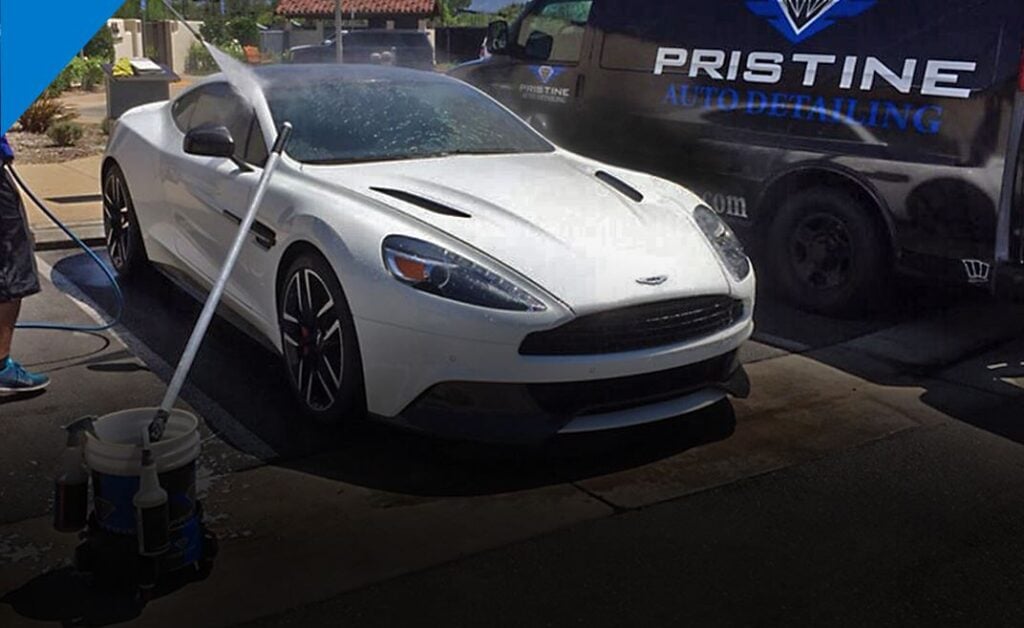
Exterior protection plays an active role in extending the durability of the paint of your vehicle. You have different sealant options depending on your goals. Are you looking for longevity, aesthetics, or hydrophobic properties? This type of factor, along with the conditions in which you store your vehicle, can impact what exterior protection to choose. Car Wax Wax ingredients usually include natural substances, solvents, oils, and polymers, to create various combinations. One of the greatest perks of protective waxes is the glossy effect they have on your paint, giving a more vibrant appearance to your vehicle. However, its resistance to water, heat, and other environmental factors is generally low to moderate. Protective wax also requires maintenance applications to prevent damage to your car paint. Epoxy Coating Epoxy offers a quality and lasting finish for your vehicle paint, although your strongest option is a ceramic coating. If you are looking for a rich shine for your car, epoxy is a more effective solution than wax thanks to its durability. This type of exterior protection also provides reliable UV protection. If you need exterior protection for an RV or a boat, epoxy is a better option since those vehicles take more heat, wear, and tear from the elements. Ceramic Coating One of the key benefits of ceramic coating is how this material generates a chemical bond with the car paint. This makes ceramic coating the most durable option compared to wax and epoxy sealants. Ceramic coating is also resistant to: Water Heat UV rays Scratches Environmental pollutants Soaps Harsh detergents At Pristine Auto Care, we are proud to offer Ceramic Pro to our clients to extend the lifespan of their vehicle paints, no matter whether we apply this sealant to a car or a boat. Are you looking for a durable protecting solution for your car in Santa Clarita Valley? Contact Pristine Auto Care today at (661) 755-1463 or use our online form to request a call back!
How Do I Care for My Vehicle’s Ceramic Coating?
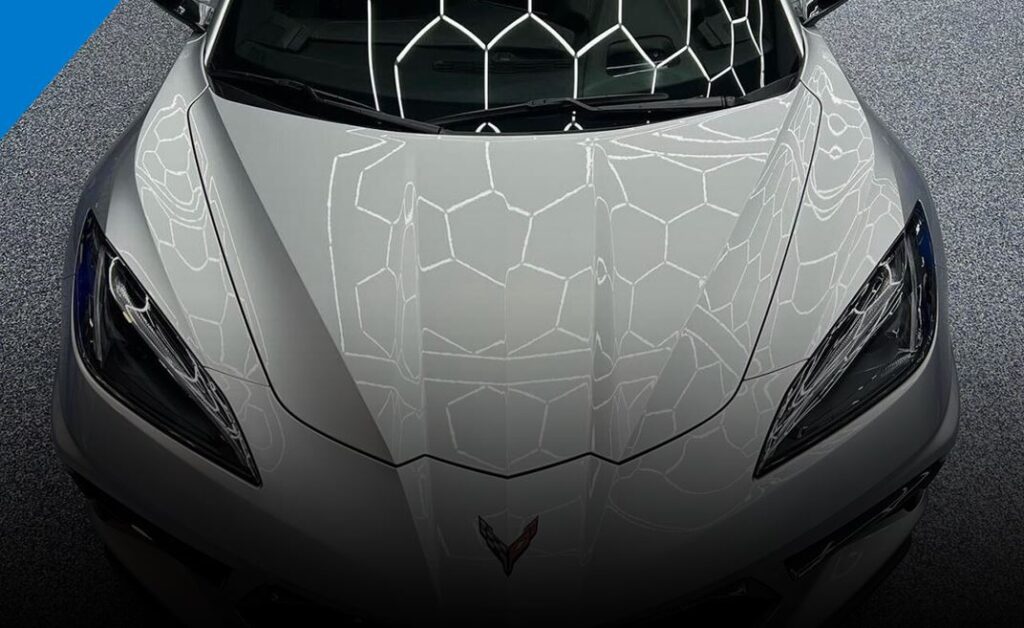
Ceramic Coating is a great way to keep your vehicle looking like new for years to come. It provides your car or truck with a liquid nano-ceramic clear coat with unmatched durability. Ceramic Coating preserves your vehicle’s original finish and protects your vehicle’s exterior from a wide range of contaminants, such as graffiti, road debris, scratches, environmental toxins, and UV rays. In addition, Ceramic Coating provides the following benefits: Extends the lifespan of your vehicle’s exterior/paint Prevents water spots, UV damage, oxidation, and corrosion Helps your vehicle stay cleaner longer Your vehicle always has that fresh waxed look Hides any dirt and dust that gets on your vehicle’s exterior To fully take advantage of the ceramic coatings’ many benefits, vehicle owners must make sure to properly care for their car or truck’s Ceramic Coating. Tips for Ceramic Coating After Care After Ceramic Coating has been affixed to your vehicle, there are a few techniques you can use to ensure that it remains in peak condition for a long time to come. The following are tips for Ceramic Coating after care: Wash your vehicle every two weeks – Any surface debris that gets on your vehicle’s ceramic coating should be removed within a couple of weeks. Choose the right soap – When you wash your vehicle, you should use soap specifically designed for washing vehicles with Ceramic Pro coating. The most important things to consider are choosing soaps that don’t contain wax or petroleum distillates and that don’t have low or high pH levels. An excellent brand to use is Americana Global Ceramic Aftercare Soap. Use the two bucket car washing technique – This involves hand washing your vehicle, which we highly suggest in the case of cars and trucks with Ceramic Pro coating. The two bucket car washing method involves using one bucket filled with water mixed with your soap to wash your vehicle and having another bucket filled with plain water that you use for rinsing off your car or truck. Don’t wash your vehicle in direct sunlight – Avoid washing surfaces of your vehicle if they’re warm. This is especially true if your vehicle is in direct sunlight. It’s best to wash your car when it’s cool, such as when it is in the shade, early in the morning, or late in the afternoon. Use a microfiber drying towel – After you’ve finished washing the vehicle, it’s best to use a microfiber drying towel to dry the vehicle off. This will help prevent water spots. Get annual inspections – To be sure that your Ceramic Pro coating is holding up well and not experiencing any issues, you should have a certified Ceramic Pro coating installer inspect your vehicle’s exterior once a year. Need Help with Ceramic Coating After Care? Contact Pristine Auto Care for a Free Estimate As we’ve stated above, Ceramic Coating can ensure that your car or truck’s exterior is as well-protected as possible from the harsh elements it faces on the road each day. At Pristine Auto Care, our ceramic coating experts can ensure that Ceramic Coating is properly applied to your vehicle. When Ceramic Coating is precisely affixed to your vehicle, it will provide your car or truck’s exterior with maximum protection and leave your vehicle’s surface looking beautiful for years afterward. For more information about Pristine Auto Care, check out our customers’ reviews. Ready to protect your car or truck’s exterior with Ceramic Coating, our experienced ceramic coating specialists in Santa Clarita are here to help. For a free estimate, or to schedule a service, give us a call at (661) 755-1463 or complete this online form today.
The Science of Ceramic Coating: How It Works & Why It’s Worth It
What is ceramic coating? In simple terms, it’s a liquid polymer that is applied to the exterior of your car to protect it from damage. Ceramic coating provides a layer of protection that can withstand harsh weather conditions, UV rays, and general wear and tear. Now let’s get into the science behind it. Ceramic coating is made up of nano-ceramic particles that bond to your car’s paint at a molecular level. This bond creates a layer that is resistant to chemicals, scratches, and other forms of damage. The application process involves multiple steps, including thorough cleaning and preparation of your vehicle’s exterior. Once the surface is clean and dry, the ceramic coating is applied using a specialized applicator. The coating is then left to cure and bond with the paint for several hours. Now, let’s talk about why it’s worth investing in ceramic coating. The benefits of ceramic coating include: Long-lasting protection: Unlike waxing, which can wear off after a few months, ceramic coating can last up to 5 years. This means you can enjoy long-lasting protection for your vehicle without the need for constant reapplication. Enhanced appearance: Ceramic coating can enhance the gloss and shine of your car’s paint. It creates a deep, wet look that can make your vehicle look brand new again. Easier maintenance: Ceramic coating creates a hydrophobic layer that repels water and dirt. This makes it easier to clean your car, and it also means that you’ll need to wash your car less often. Resale value: Ceramic coating can help maintain the resale value of your vehicle. A well-maintained car with a ceramic coating will look more attractive to potential buyers, and it can help you get a better price when it’s time to sell. At Pristine Auto Care, we use only the highest quality ceramic coatings to protect your vehicle. Our team of experts is highly trained in the application process, and we take the time to ensure that your vehicle is properly cleaned and prepared before applying the coating. Contact us to learn more about our ceramic coating services and schedule your appointment today!
4 Benefits of Regular Auto Detailing for Santa Clarita Drivers
Regular auto detailing helps you keep track of your vehicle’s condition instead of waiting until dirt, spills and neglected surfaces become a bigger project. For Santa Clarita drivers, the right routine depends on how the car is used: an outdoor commuter, a family SUV and a garaged weekend car do not need identical care. A wash handles routine surface dirt. A detail can address specific interior or exterior cleaning needs, depending on the service selected. Here are four practical benefits, along with how to decide what your vehicle actually needs. 1. A cleaner cabin is easier to maintain Crumbs, tracked-in grit and spilled drinks accumulate in different places. Cleaning floor mats, seat seams and frequently touched surfaces makes the cabin more pleasant and lets you notice new messes sooner. Prompt attention matters: leaving a spill until the next scheduled appointment can make cleanup harder. Choose methods suited to the material. Cloth, leather, coated trim, screens and glass may need different products. Follow your vehicle manufacturer’s care instructions, and tell the detailer about delicate finishes or previous treatments. Stains, persistent odors and damaged upholstery need an assessment; a cleaning appointment cannot guarantee that every mark or smell will disappear. 2. Routine exterior care keeps dirt from building up Regular washing gives you a chance to remove accumulated road film and inspect the finish. If a car is dusty after outdoor parking or a long drive, avoid wiping the dry paint with an ordinary cloth. Use a suitable wash process and clean tools, following the care instructions for any existing coating or film. Washing, polishing and adding protection are different jobs. A wax or sealant may be appropriate for some finishes, while a coated vehicle may need a different maintenance approach. Ask what is included and whether it is compatible with the protection already on your car. Detailing does not make paint scratch-proof or replace routine washing. 3. Clean surfaces make changes easier to spot Once dirt is removed, it is easier to see a new chip, a stain, cloudy trim or another concern worth discussing. Clean windows and mirrors also remove grime that can interfere with your view. This is a useful part of care, but it is not a substitute for repairing damaged glass, worn wipers or other vehicle problems. Do not assume every scratch needs machine polishing. The Meguiar’s paint-care FAQ recommends inspecting a washed and dried finish before choosing preparation steps. The appropriate treatment depends on what is actually present. Ask for realistic expectations before approving paint correction, especially if a panel has been repainted or the finish is deteriorating. 4. Consistent care helps the car present well A clean interior and cared-for exterior can make your vehicle more enjoyable to use and easier to present when you sell or trade it. That does not guarantee a higher resale price: mileage, mechanical condition, repair history and the market also matter. Keep notes about coatings, film, past repairs and products used. Sharing that history helps you request compatible care instead of paying for treatments that overlap or do not suit the finish. Maintenance should follow the condition of the vehicle, not a promise that every visit will make it look brand new. How often should you book a detail? There is no single interval for every Santa Clarita vehicle. Check the cabin and exterior regularly, address spills promptly, and plan deeper cleaning when ordinary maintenance no longer handles the buildup. A car carrying children or pets, parked outside, or used for frequent road trips may need attention sooner than a lightly used garaged car. Use a simple checklist: Are mats and seats still manageable with routine cleaning? Are windows clear? Is the paint clean but rough or visibly marked? Bring those observations to your estimate. Machine polishing should be assessed separately rather than automatically repeated at every detail. For a motorhome or travel trailer, storage and surface materials need their own plan. See our RV detailing schedule guide for trip and storage checkpoints. Choose the service that matches the problem A service name alone does not tell you what is included. Use your main concern to start the conversation, then ask for an itemized scope: Loose dust or ordinary road dirt: ask whether a maintenance wash is enough, especially if the interior is already clean. Crumbs, pet hair or spills: describe the affected materials and areas. Ask whether detailed vacuuming, spot treatment or deeper fabric cleaning is included, and what results are realistic. Swirls or dull paint after washing: request a finish assessment. Paint correction is a separate decision, not something every regular detail needs. Existing ceramic coating or PPF: identify the product if known and share its care instructions. Do not assume an abrasive polish or an added wax suits the surface. For example, a Santa Clarita family SUV with crumbs and a single seat stain needs a different conversation from a clean commuter with visible paint swirls. Sending clear photos and naming the priority helps the detailer explain the likely work, limitations and price before you commit. What to confirm before a mobile detailing appointment When requesting mobile service, confirm that your address and requested work are suitable before booking. Ask about parking permission, safe working space, water or power requirements, weather arrangements and expected drying time. Do not assume every treatment can be completed at every location. Prepare the vehicle and the workspace Remove valuables, paperwork and loose personal belongings from the areas you want cleaned. Tell the detailer about damaged trim, loose upholstery, aftermarket electronics and any areas that need special care. Ask how to handle child seats or other fitted accessories before the appointment rather than assuming they will be removed and reinstalled. If you are considering service at a home, apartment or workplace, confirm permission to use the space and describe the parking setup. Ask how doors can be opened safely, how equipment will be positioned and what happens if the weather makes the planned work unsuitable. Water, power and runoff arrangements
The Difference Between PPF & Ceramic Coating
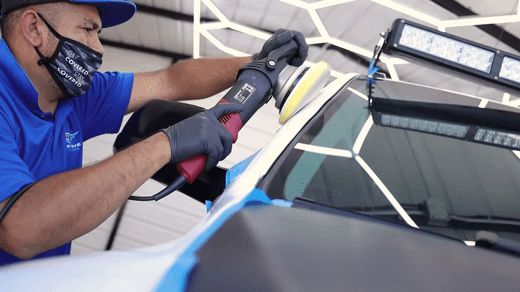
Your car’s exterior can be damaged by dirt, scratches, or harmful UV rays. To protect your investment (i.e. your vehicle), you may consider having ceramic coating or paint protection film (PPF) applied to your vehicle’s exterior. But many people wonder which is better and what the difference is between PPF and ceramic coating. What Is Paint Protection Film (PPF)? PPF (also known as clear bra) is a thermoplastic polyurethane material that is applied to a car’s painted surface. Because it is clear, you can show off your car’s paint job. PPFs are designed to return to their original form after suffering from light damage (i.e. scratches, swirls, dings, etc.). They are also beneficial in that they can protect your car from avid-based contaminants (like road grime, bird droppings, etc.), fading caused by repeated UV exposure, acts of vandalism (like keying), hard water marks or swirls (caused by hard minerals or car washes), and other wear and tear. What Is Ceramic Coating? Ceramic coating is a liquid polymer, comprised of silica and other ingredients, that forms a thin layer of protection (coating) to your vehicle’s paint. When applied, the coating will chemically bond to the factory paint of your car and create a protective layer and hydrophobic surface, which helps your car remain clean for longer periods and protects your car from certain contaminants. Ceramic coatings also provide protection against chemical etch marks and staining as well as oxidation (fading) from prolonged UV exposure. PPF vs. Ceramic Coating: What Are Their Similarities & Differences? While both a clear bra and ceramic coating can protect your car from elemental exposure, keep the paint looking fresh, and reduce the amount of fading and chemical stains on the vehicle, they have differences that may impact which is the better option for you. Their differences include: PPF is thicker and denser than ceramic coating. While a ceramic coating is thinner than paper (which is 0.05 millimeters thick on average), PPF is 8 thousandths of an inch thick. PPF returns to its original shape when scratched; however, the ceramic coating does not have this ability. Thus, a ceramic coating cannot limit the risk of scratches or chips in your vehicle’s paint. Ceramic coatings enhance the gloss and sheen on your car’s paint, which PPF does not do. Ceramic coatings make cleaning your car’s exterior a lot easier to complete because of their water repellant nature. However, PPFs do not repel water, and cleaning a car with a PPF is the same as cleaning an unprotected vehicle. Which Is Better for You: PPF or Ceramic Coating? The answer to this question is entirely up to your preferences, needs, and goals. Many Californians are looking to protect their cars from UV damage, which both PPF and ceramic coating do. So, you may need to ask yourself what other protections or benefits you want? If you want to protect your vehicle’s exterior with either PPF or ceramic coating, the professionals at Pristine Auto Care are here to help. Schedule a service today by calling (661) 755-1463 or completing this online form.
Introducing Ceramic Pro Ion: The Future of Automotive Protection
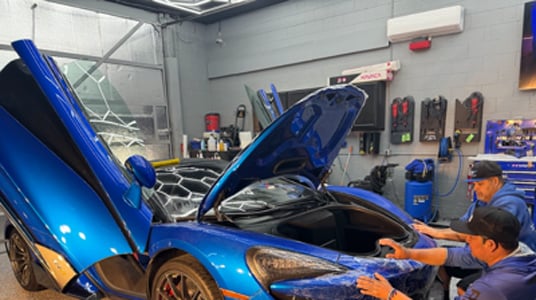
In the ever-evolving world of automotive protection, Ceramic Pro has emerged as a leading brand, providing innovative solutions to keep vehicles looking pristine. With their latest product, Ceramic Pro Ion, they have once again raised the bar for automotive coatings. Designed to offer enhanced durability, hydrophobicity, and ease of maintenance, Ceramic Pro Ion is set to revolutionize the way we protect and care for our vehicles. Unveiling Revolutionary Technology Ceramic Pro Ion introduces an advanced formula that combines nanotechnology and ceramic particles to create a formidable protective layer on the vehicle’s surface. This cutting-edge technology ensures unparalleled resistance against scratches, UV rays, oxidation, and environmental contaminants. With Ceramic Pro Ion, your vehicle will maintain its showroom shine for years to come. Ultimate Hydrophobicity One of the standout features of Ceramic Pro Ion is its exceptional hydrophobic properties. The coating forms a slick, self-cleaning surface, causing water, dirt, and grime to bead up and roll off effortlessly. This hydrophobic effect not only makes the vehicle easier to clean but also provides an added layer of protection against water stains, chemical damage, and corrosion. Whether it’s rain, mud, or road grime, Ceramic Pro Ion keeps your car looking immaculate. Durability that Goes the Distance Ceramic Pro Ion’s durability is unmatched. Once applied, the coating forms a protective shield that is resistant to the elements. This shield effectively safeguards the vehicle’s paint from fading, discoloration, and damage caused by UV rays. Furthermore, the coating’s hardness helps to prevent scratches and swirl marks, ensuring that your vehicle retains its flawless appearance for years. Simplified Maintenance One of the key advantages of Ceramic Pro Ion is its low maintenance requirements. The hydrophobic surface repels dirt, dust, and contaminants, reducing the frequency of washes needed. Cleaning becomes a breeze as most contaminants simply slide off with a rinse or a light wipe. This not only saves time but also helps preserve the integrity of the coating, ensuring its long-term effectiveness. Professional Application To achieve optimal results and the highest level of protection, it is recommended to have Ceramic Pro Ion professionally applied. Trained technicians will meticulously prepare the vehicle’s surface, ensuring it is free from imperfections and contaminants before the coating is applied. This meticulous process guarantees the longevity and effectiveness of Ceramic Pro Ion. Ceramic Pro Ion represents the next generation of automotive protection. With its state-of-the-art technology, outstanding hydrophobicity, remarkable durability, and simplified maintenance, this innovative product is set to transform the way we care for and preserve our vehicles. Whether you are an automotive enthusiast or a casual driver, Ceramic Pro Ion offers an unparalleled level of protection and aesthetic appeal. Embrace the future of automotive coatings and experience the lasting brilliance of Ceramic Pro Ion.
How to Compare Ceramic Window Tint in Santa Clarita
For Santa Clarita drivers comparing ceramic window tint, the biggest percentage on an advertisement is only a starting point. A useful comparison looks at the exact film, the glass it will be installed on, visibility and the problem you want to solve. Start by separating heat rejection from how dark the windows look. Before choosing car window tinting in Santa Clarita, explain whether your priority is comfort on a sunny commute, less glare, a particular appearance or a combination. Ask for the product specification sheet that matches the proposed film and shade. What do VLT, IR rejection and TSER mean? VLT: Visible light transmission describes how much visible light passes through. A lower percentage means less transmitted light; it is not itself a heat-rejection rating. IR rejection: This describes performance against infrared energy over a stated measurement range. Read the test conditions alongside the headline percentage. TSER: Total solar energy rejected considers a broader range of solar energy than an infrared-only figure. It helps put heat-related claims in context. UV rejection: This is a separate measurement for ultraviolet radiation. It should not be substituted for either VLT or TSER. The manufacturer’s KAVACA explanation of window-film measurements distinguishes these terms. Treat them as different answers to different questions, rather than four versions of the same score. Compare equivalent specifications Put the exact product names side by side before comparing numbers. “Ceramic” describes a film category, not one universal specification. Ask which shade is being quoted, whether a value is for film alone or film installed on test glass, and which measurement range supports an infrared claim. For example, Ceramic Pro’s published window-film specification sheet lists film-only VLT separately from VLT on auto glass and provides infrared measurements with different wavelength ranges. The sheet is an example of why labels matter; request current specifications for the exact product available for your appointment. A useful comparison can be as simple as two written quotes with the same windows, similar visible-light transmission and clearly identified products. If an installer cannot explain what a percentage measures, ask for the underlying documentation before using it to choose a film. Choose with visibility and your existing glass in mind Tell the installer if you drive frequently after dark or already have tinted rear glass. Ask to see a sample and discuss the installed result on your vehicle, rather than choosing from a loose film sample alone. Confirm which windows are included and how applicable requirements affect the proposed installation. If your main question is whether to add film to already-dark rear windows, read our guide to ceramic tint over factory privacy glass. That is a separate decision from simply selecting a darker appearance. Use a window-by-window quote worksheet Ask each installer to describe the same proposed job before comparing the total. Start with your vehicle’s year, make and model, then list each group of windows you want assessed. For a vehicle with dark rear glass, identify that existing glass separately from the front windows. Include any previous film and your concerns about visibility. Copy these headings into a note and fill them out for each proposal: Windows included: identify front side windows, rear side windows and rear glass separately. Ask whether small quarter windows are included. List any proposed roof or windshield work separately and have the installer explain its suitability and applicable requirements. Exact product: record the manufacturer, film line and proposed shade for each group of windows. Keep a copy of the matching specification sheet. Comparable measurements: record VLT and TSER from the relevant product row. Include the stated measurement range for an infrared claim and whether the figures describe film alone or film on test glass. Preparation: identify existing-film removal and any extra glass preparation. Ask whether these are included in the total or priced separately after inspection. After installation: request collection timing, window-operation and cleaning instructions, the applicable written warranties and any registration or inspection requirements. A practical way to resolve two different quotes Imagine one estimate says only “ceramic tint, all windows,” while another names the film and lists the side windows and rear glass. This is an illustrative example, not a Pristine package or a comparison of actual local businesses. The next step is to clarify the first proposal’s product and coverage. “All windows” needs a written definition before either estimate can be evaluated fairly. Next, compare the film specifications at similar visible-light transmission. If one quote emphasizes an infrared percentage and the other emphasizes TSER, ask both installers for the same measurements. Those percentages describe different parts of performance; choosing whichever number is larger will not produce a meaningful comparison. Finally, compare the installed result and support. Discuss your existing glass, driving after dark and the appearance you want. Ask how an issue after collection would be assessed and which written terms apply. Record any unanswered question as “needs confirmation” so it remains visible when you decide. A complete quote gives you a product, a defined scope and a care plan. Bring that information to the consultation and ask what comfort improvement is realistic for your vehicle. Avoid planning the purchase around an assumed fuel saving, battery-range increase or guaranteed cabin-temperature change. Request advice for your Santa Clarita vehicle To request a window-tint estimate from Pristine Auto Care, share the vehicle’s year, make and model, existing tint, windows you want treated and your main comfort or appearance concern. Those details help make the discussion specific and the quote easier to compare.