Can You Polish a Ceramic Coated Car? What Owners Need to Know | Santa Clarita
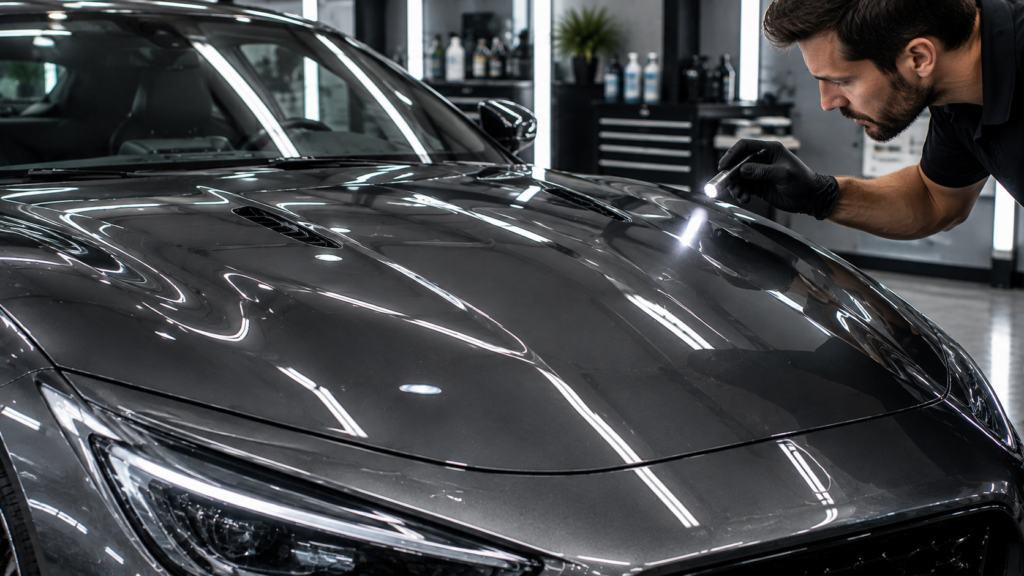
No, you should not polish a ceramic-coated car if you want to keep the coating intact. Car polishes contain micro-abrasives designed to level a microscopic layer of clear coat. Because a ceramic coating cures into an ultra-thin protective barrier over your paint, machine or hand polishing will abrade and strip the ceramic layer away. Understanding when polishing is appropriate—and what to do instead to maintain your vehicle’s shine—helps preserve your investment in long-term paint protection. Why Polishing Removes Ceramic Coating Ceramic coatings form a chemical cross-link with your factory clear coat, adding a hard, hydrophobic shield that measures only 1 to 3 microns thick. Polishing compounds work through mechanical friction. When an abrasive pad and polish rotate against body panels, they remove surface material to erase swirl marks and scratches. Because the ceramic coating rests on the outermost surface of the clear coat, any abrasive polishing action cuts directly through that protective shell. If you polish a coated car, the hydrophobic water-beading performance, UV protection, and chemical resistance will be severely degraded or removed entirely on those panels. What to Do If Your Ceramic Coating Loses Gloss If your coated vehicle begins looking dull or loses its water-repellent slickness, the issue is rarely a failed coating. In most cases, environmental road film, iron fallout, and mineral deposits have simply accumulated on top of the surface, clogging the coating’s microscopic structure. Instead of reaching for a polisher, restore your finish using safe decontamination methods: Perform a Decontamination Hand Wash: Wash the vehicle thoroughly with a pH-neutral shampoo to remove loose road film and grime. Use a Chemical Iron Remover: Spray a dedicated iron fallout remover onto the paint to dissolve embedded brake dust particles without abrasive friction. Apply a Silica Ceramic Booster: Spray a ceramic maintenance topper onto clean panels and wipe dry with a plush microfiber towel. This revitalizes the top hydrophobic layer and restores deep gloss instantly. How to Handle Scratches on a Coated Car If your vehicle suffers a light scratch after being coated, you have two main options: Leave Minor Scratches Intact: If the mark is faint and only visible under direct inspection light, it is often best to leave it alone to preserve the surrounding ceramic barrier. Spot Polish and Re-Coat: If the scratch is noticeable, the affected panel can be lightly polished using professional Paint Correction tools to remove the scratch. However, because polishing strips the coating in that area, a fresh layer of professional ceramic coating must be reapplied to that specific panel afterward. Proper Coating Upkeep in Santa Clarita Driving in the Santa Clarita Valley exposes vehicles to intense afternoon heat, blowing dust, and high UV radiation. Maintaining a smooth, glossy surface requires regular maintenance rather than heavy polishing. Washing your car every two weeks using safe hand-washing techniques prevents contaminants from baking onto the surface under the California sun. Frequently Asked Questions Does polish completely strip ceramic coating? Yes. Even mild finishing polishes contain fine abrasives that will remove or severely thin out an ultra-thin ceramic coating layer. Machine polishing is actually the primary method detailers use to intentionally remove an old ceramic coating before applying a new one. Can I apply wax over a ceramic coating instead of polishing? Applying traditional car wax over a ceramic coating is not recommended. Wax creates a soft layer on top of the coating that masks its natural hydrophobic water-beading properties and tends to attract dust. Looking for Ceramic Coating Maintenance in Santa Clarita? Pristine Auto Care provides professional detailing, decontamination washes, and ceramic coating services to keep your vehicle’s finish protected and glossy.
How to Wash a Ceramic Coated Car: Step-by-Step Care Guide | Santa Clarita Auto Care
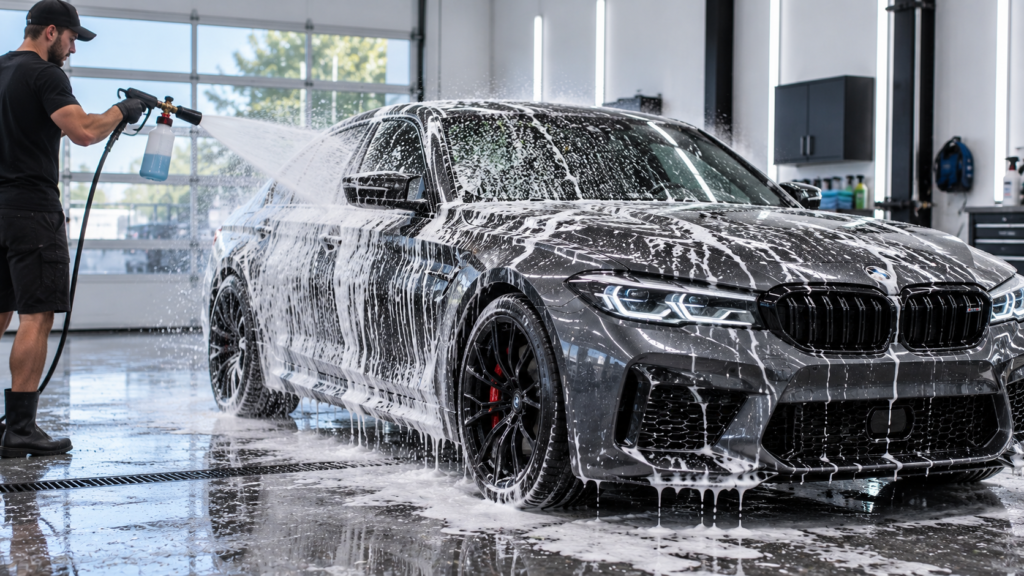
Washing a ceramic-coated car requires pH-neutral car soap, clean microfiber wash mitts, and gentle washing techniques. While a ceramic coating prevents dirt, road grime, and tree sap from bonding directly to your factory clear coat, poor washing habits can still leave light swirl marks and cover the coating’s hydrophobic layer with dirt buildup. Following proper hand-washing methods keeps your vehicle looking glossy and ensures your coating performs at its best for years. Essential Washing Supplies for Coated Vehicles Before you start washing, gather gentle, high-quality car care products: pH-Neutral Car Shampoo: Choose a soap free from harsh detergents, strong acids, or added waxes. Wax additives leave a residue that temporarily masks the coating’s self-cleaning properties. Two Wash Buckets with Grit Guards: Place a grit guard filter at the bottom of each bucket to trap dirt particles at the bottom and keep them away from your wash mitt. Microfiber Wash Mitts: Use ultra-soft plush microfiber mitts instead of coarse sponges, which trap dirt and drag it across clear coat panels. Microfiber Drying Towel or Air Blower: High-density microfiber drying towels or contactless air blowers prevent water spots without abrading the surface. Step-by-Step Guide to Washing Your Coated Vehicle Executing a careful wash routine preserves clear coat clarity and prevents wash-induced micro-marring. Rinse and Pre-Foam the Exterior: Rinse the vehicle thoroughly with a pressure washer or hose to knock off loose surface dust and heavy grit before touching the paint. If available, use a foam cannon to cover the vehicle in slick lather to loosen stubborn dirt. Use the Two-Bucket Method: Fill one bucket with soapy water and the second bucket with clean rinse water. Dip your mitt into the soap, wash one panel from top to bottom, and rinse the mitt in the clean water bucket before taking fresh soap back to the vehicle. Wash Top to Bottom: Start cleaning at the roof and glass, working down toward lower rocker panels and wheels where heavy road grime accumulates. Rinse Thoroughly: Flush away all soap residue with clean water. You will notice water sheeting and beading off the body panels rapidly due to the coating’s low surface tension. What to Avoid When Cleaning Ceramic Coatings Protecting your investment means steering clear of aggressive cleaning habits: Avoid Automatic Brush Car Washes: Mechanical car washes use heavy nylon brushes that hold abrasive dirt from previous cars, leaving heavy swirl marks across your panels. Never Wash in Direct Sunlight: High temperatures in the Santa Clarita Valley cause tap water and soap to dry quickly on hot body panels, leaving mineral deposits and water spots. Skip Dish Soap and Household Cleaners: Household detergents strip protective barriers and dry out rubber seals around glass trim. Frequently Asked Questions Can I use a pressure washer on a ceramic coated car? Yes. Pressure washers are excellent for pre-rinsing heavy dirt off a coated car. Keep the spray nozzle at least 15 to 18 inches away from the paint surface and avoid concentrated high pressure on loose trim or clear film edges. How often should I wash a ceramic coated car? Washing your vehicle every two weeks prevents airborne dust, pollen, and environmental fallout from building up on the paint surface and clogging the hydrophobic layer. Looking for Ceramic Coating Maintenance in Santa Clarita? Pristine Auto Care offers professional detailing and maintenance care to keep your ceramic coating performing like new.
Best Ways to Protect Your Car’s Paint in Santa Clarita
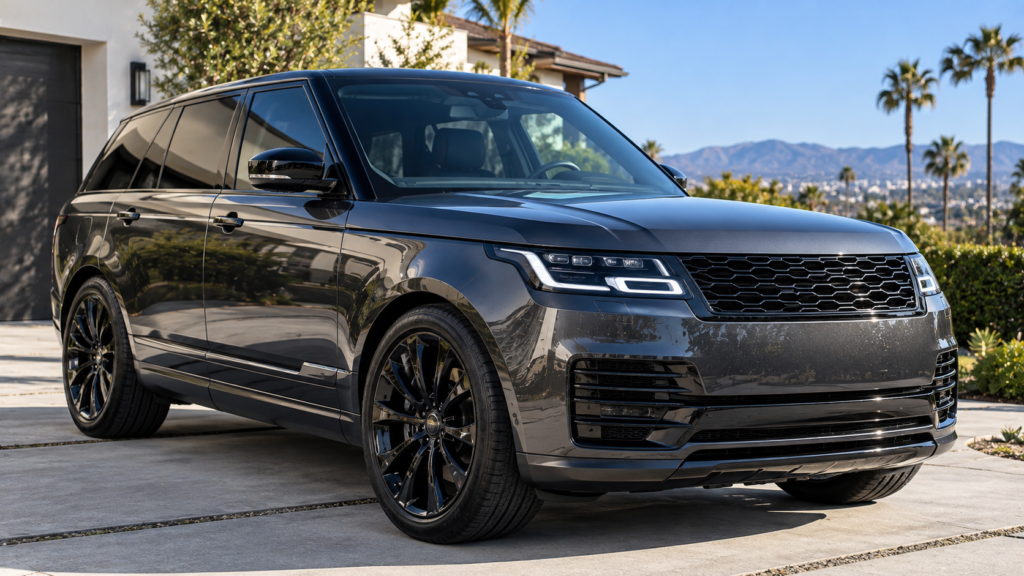
Keeping your vehicle’s paint looking new in the Santa Clarita Valley requires proactive care. Strong year-round sunlight, intense summer heat, blowing dust, and mineral-heavy water continuously wear down the factory clear coat. Without proper defense, unprotected clear coats dull, fade, and oxidize within a few years. The most effective way to protect your car’s paint in Santa Clarita combines long-term chemical or physical surface barriers with proper hand-washing techniques and smart parking habits. Understand the Environmental Threats to Local Vehicle Paint The climate in Northern Los Angeles County presents specific challenges for automotive clear coats: Intense UV Exposure: Direct solar radiation breaks down the clear coat’s chemical bond, causing paint oxidation and color fading. High Thermal Stress: Dark-colored body panels frequently reach extreme surface temperatures in the summer, causing traditional waxes to melt off quickly. Windblown Dust and Debris: Dust carried by dry winds acts like fine sandpaper, creating micro-marring when wiped improperly. Hard Water Spotting: Tap water and local sprinklers leave heavy mineral deposits that can etch permanently into hot paint surfaces. Install a Durable Surface Barrier Relying solely on temporary spray waxes is rarely enough to withstand local environmental conditions for more than a few weeks. Modern paint protection technologies offer far stronger defenses. A professional ceramic coating utilizes silicon dioxide ($SiO_2$) to create a hard, hydrophobic shield over your paint. This layer blocks damaging UV rays, repels dust and environmental grime, and prevents bird droppings or tree sap from burning into the clear coat. For vehicles frequently driven on local freeways like the I-5 or Route 14, pairing a ceramic coating with Paint Protection Film (PPF) on front-impact zones offers complete defense against flying rocks and gravel chips. Practice Safe Washing and Maintenance Techniques How you clean your vehicle directly impacts how long your paint stays swirl-free. Poor washing habits cause over 80% of surface scratches and dullness. Avoid Automatic Brush Washes: Mechanical drive-through car washes utilize harsh bristles that trap dirt from previous vehicles, dragging it across your paint. Use the Two-Bucket Hand Wash Method: Separate clean soap water from dirty rinse water. Always use a soft microfiber wash mitt to minimize surface friction. Wash in the Shade: Cleaning your vehicle out of direct sunlight prevents water and soap from drying rapidly on hot panels, which creates hard water spots. Dry With Premium Microfiber: Never let tap water dry on your paint naturally. Use clean, high-GSM microfiber drying towels or blown air. Incorporating routine Auto Detailing treatments ensures embedded contaminants like iron particles and tar are removed before they cause lasting damage. Minimize Direct Heat and Solar Exposure Whenever possible, park your vehicle inside a garage, under a carport, or in shaded areas during peak afternoon hours. Shaded parking reduces thermal stress on your clear coat and interior surfaces. If garage parking is unavailable, maintaining a hydrophobic ceramic barrier keeps dust from sticking firmly to the clear coat, making daily buildup easy to rinse away safely. Frequently Asked Questions How often should I wash my car to protect the paint in Santa Clarita? Washing your vehicle every two to three weeks removes accumulated dust, pollen, and road contaminants before they bond to the clear coat or cause etching under hot sunlight. Is traditional wax enough to protect paint from Southern California sun? No. Traditional carnauba waxes break down quickly under high heat, often lasting only 3 to 6 weeks in summer conditions. Synthetic sealants or professional ceramic coatings offer far greater heat tolerance and UV defense. Looking for Paint Protection in Santa Clarita? Pristine Auto Care provides professional ceramic coating, paint correction, and protection services designed to keep your vehicle looking factory-new in any season.
Should You Ceramic Coat a New Car? What Owners Need to Know | Santa Clarita Auto Care
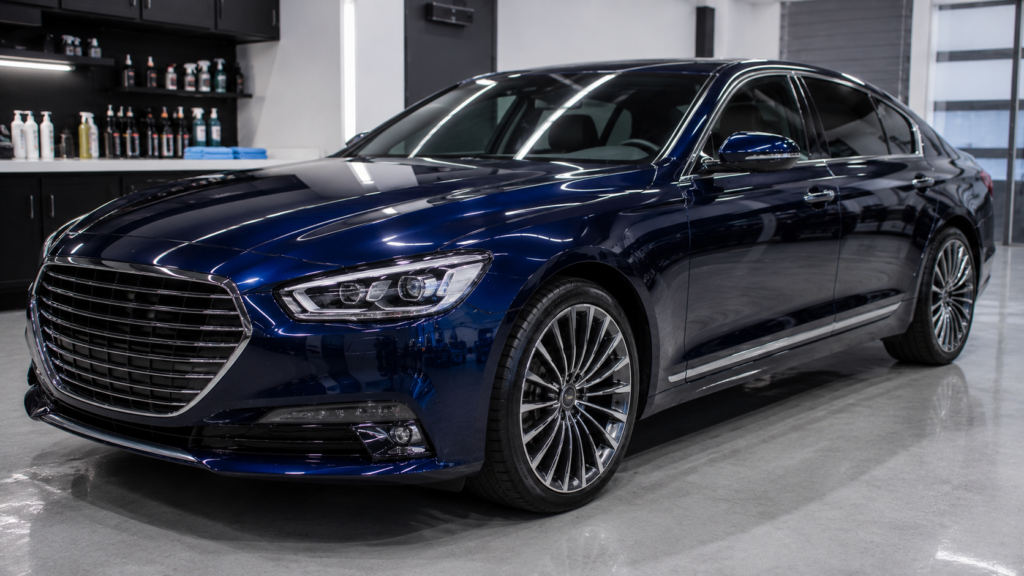
Yes, applying a ceramic coating to a new car is one of the best investments you can make to protect your vehicle. While brand-new paint looks pristine on the showroom floor, factory clear coat leaves the dealership with zero durable physical or chemical protection. Protecting your new vehicle immediately locks in factory gloss, simplifies routine washing, and defends against harmful UV exposure, bird droppings, and hard water spots from day one. Why Brand-New Cars Still Need Paint Protection A common misconception is that new vehicles come with fully protected paint straight from the factory. In reality, car manufacturers do not apply long-term sealants or ceramic coatings before shipping vehicles to dealerships. During transport from the factory—whether on open car haulers, cargo ships, or rail cars—new vehicles accumulate industrial fallout, brake dust, and rail dust. Dealership prep teams often use quick, automated wash methods that drag surface dirt across the panel, leaving light swirl marks and fine scratches on fresh paint. Applying a professional ceramic coating eliminates these contamination risks and establishes a durable protective foundation. Does a New Car Need Paint Correction First? Even a vehicle with under 100 miles on the odometer usually requires surface preparation prior to coating installation. Before a coating can form a strong chemical bond with the clear coat, the vehicle must undergo: Chemical Decontamination: Removing embedded rail dust and iron particles using dedicated fallout removers. Clay Bar Treatment: Pulling microscopic debris out of clear coat pores to create a slick, clean surface. Minor Paint Correction: A single-stage polish to eliminate dealership swirl marks and light transport scratches. Performing light Paint Correction on a brand-new vehicle requires significantly less labor and time than correcting an older, heavily swirled daily driver. This makes coating a new car more cost-effective upfront. Key Benefits of Coating Your New Vehicle Immediately Investing in new car paint protection early delivers several long-term advantages: Preserves Showroom Gloss: The coating seals the clear coat, enhancing optical clarity and visual depth so your vehicle maintains its brand-new look for years. Maximum UV Defense: In sunny areas like Santa Clarita and Valencia, continuous sun exposure breaks down unprotected paint. Silicon dioxide ($SiO_2$) coatings block UV rays and prevent premature oxidation. Easier Maintenance: The hydrophobic surface repels dust, mud, and road grime. Dirt slides off easily during regular washes, drastically reducing weekly maintenance effort. Higher Resale Value: Keeping factory paint free of chemical etching and severe fading helps maintain your vehicle’s market value when it comes time to trade in or sell. Pairing your coating with proper long-term Auto Detailing habits ensures the surface stays slick and hydrophobic throughout your ownership. Frequently Asked Questions Doesn’t factory paint come with protection from the dealership? Dealerships often offer temporary paint sealants or spray waxes as dealer add-ons. However, these products rarely last more than a few weeks or months and do not provide the semi-permanent chemical bonding of a professional ceramic coating. How soon after taking delivery can I ceramic coat my new car? You can ceramic coat your vehicle immediately after delivery. Modern automotive paint is cured using high-temperature baking ovens at the factory, meaning the clear coat is fully cured and ready for coating application as soon as you drive off the lot. Looking for Ceramic Coating in Santa Clarita? Pristine Auto Care provides professional ceramic coating services designed to protect new vehicles against local road grime, dust, and California sun exposure.
How Much Does Ceramic Coating Cost in Santa Clarita?
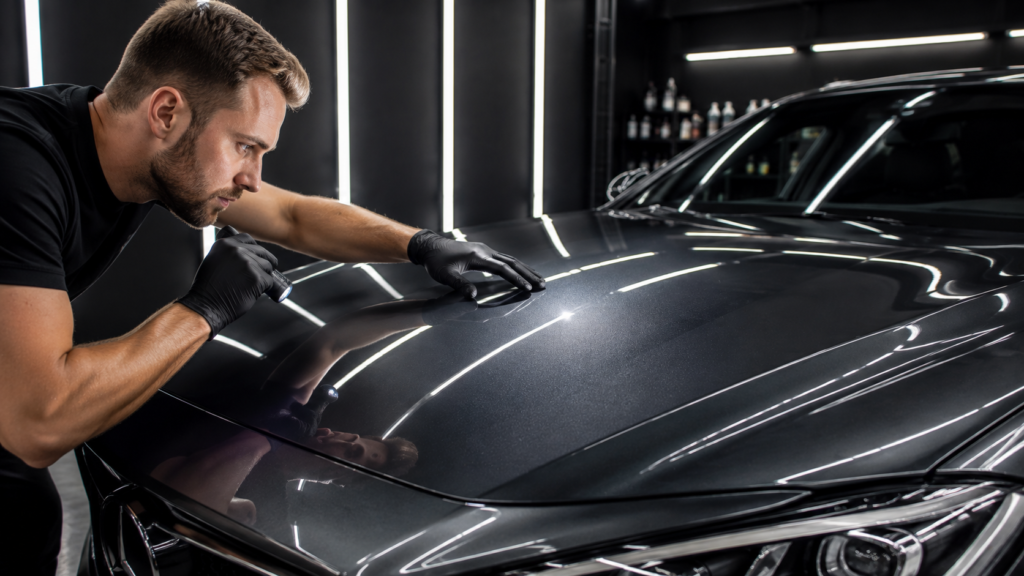
Ceramic coating prices in Santa Clarita depend on the vehicle, the condition of its paint, the preparation required and the surfaces included. A low advertised starting price and a complete paint-correction-and-coating package may cover very different work. The useful comparison is the written scope of the estimate, not the headline price alone. Pristine Auto Care provides vehicle-specific recommendations. For an accurate estimate, send your year, make and model, describe the paint condition and tell us how you use and park the vehicle. An inspection may be needed before the preparation work and final price can be confirmed. What affects the cost of ceramic coating? Vehicle size and shape: The area being coated and the complexity of the panels affect the work involved. Paint preparation: Washing, decontamination and any agreed polishing or paint correction are separate parts of the job. A vehicle with visible swirls may need a different preparation plan from one with well-maintained paint. Product and package: Ask for the coating product, the surfaces it is intended for and the care requirements. Compare the written warranty terms rather than assuming a durability claim covers every kind of damage. Coverage: Paint, wheels, glass and trim can require different products and additional work. Confirm exactly which surfaces are included. Aftercare: Ask whether inspections, maintenance visits or special care products are required, and whether they carry an additional cost. Why preparation deserves its own line in the quote A coating does not replace paint correction or repair existing chips. Before application, the paint needs suitable cleaning and preparation. Polishing may be recommended to improve visible defects, but the appropriate process depends on the finish and its condition. Ask the installer to explain which defects can reasonably be improved, which will remain and what preparation is included. This helps you compare two estimates without assuming that every package delivers the same finish. A checklist for comparing Santa Clarita coating estimates What coating product and package are being quoted? Does the price include washing, decontamination and paint correction? What level of correction is proposed? Which panels and other surfaces are included? What condition will the paint be in before the coating is applied? When can the vehicle be collected, get wet and be washed again? What does the written warranty cover, and what maintenance does it require? Are taxes, optional extras and future maintenance charges clearly identified? Keep the answers with your estimate. A clear scope makes it easier to choose the package that fits your priorities and budget. Ceramic coating or paint protection film? If your priority is gloss and easier routine cleaning, explore our ceramic coating service in Santa Clarita. If rock chips and road debris are your main concern, ask about paint protection film (PPF). A coating is not a substitute for the physical film used for that type of protection. Some owners choose a combination, but the right coverage depends on the vehicle and its use. Describe your usual driving, parking and washing routine so the recommendation addresses your actual needs. Questions before you book Does a new car still need preparation? Yes, its condition should still be assessed. A new vehicle can have contamination or visible finish defects. That does not mean every new car needs extensive polishing; the inspection should guide the preparation plan. Does ceramic coating eliminate maintenance? No. Follow the installer’s product-specific curing and washing instructions. Regular cleaning remains important. Ask about ongoing auto detailing if you would like help caring for the finish. How do I get an estimate from Pristine Auto Care? Request a ceramic coating estimate or call 661-755-1463. Include your vehicle details, the problems you want to address and the protection you are considering. Our team can explain the next steps for a vehicle-specific quote.