Can You Use an Automatic Car Wash on a Ceramic Coated Car? | Santa Clarita Auto Care
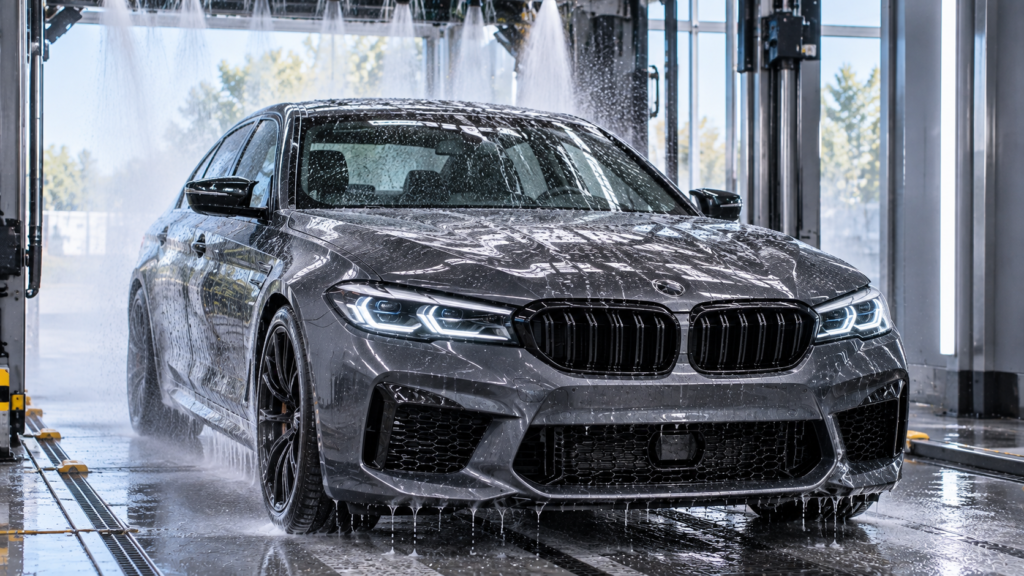
No, you should avoid taking a ceramic-coated vehicle through a traditional automatic brush car wash. While a ceramic coating provides hard chemical protection and extreme water repellency, the spinning bristles in automated washes hold heavy grit and dirt from previous vehicles. Dragging those abrasive brushes across your body panels creates micro-marring, swirl marks, and premature wear on your clear coat. Even touchless automatic washes present hidden risks due to the aggressive, high-pH chemicals used to clean without friction. Adopting proper washing habits protects your investment and maintains long-term paint gloss. Why Brush Car Washes Damage Ceramic Coatings Traditional drive-through car washes rely on heavy mechanical brushes or hanging cloth strips to scrub road dirt off vehicles. Abrasive Dirt Transfer: Brushes trap mud, sand, and road grime from every vehicle that passes through before yours. As those brushes spin against your paint at high speed, they act like coarse sandpaper. Surface Swirl Marks: Although a silicon dioxide ($SiO_2$) coating increases surface hardness, it is an ultra-thin barrier. Repeated mechanical friction gouges fine micro-scratches into the coating surface. Reduced Hydrophobicity: Severe friction wears down the coating’s top slick layer, causing water to pool flat on panels rather than forming tight, round beads. Are Touchless Car Washes Safe for Coated Vehicles? Touchless car washes eliminate physical contact by using high-pressure water jets and heavy chemical cleansers to dissolve road film. While a touchless wash will not create mechanical swirl marks, it still affects your coating over time. To strip grime without touching the vehicle, touchless facilities rely on highly alkaline detergents or acidic pre-soaks. These harsh chemicals gradually break down delicate topper sprays and degrade the top hydrophobic layer over repeated uses. While an occasional touchless wash in an emergency is far safer than a brush wash, relying on it regularly will shorten the lifespan of your professional ceramic coating. Safe Alternatives for Washing Your Coated Car Preserving your vehicle’s high-gloss shine requires gentle cleaning methods that minimize surface friction and avoid harsh chemical exposure. The Two-Bucket Hand Wash: Use two buckets equipped with grit guards—one for soapy water and one for clean rinse water. Clean panels from top to bottom using a soft microfiber wash mitt and a pH-neutral car shampoo. Self-Serve Wash Bays: Use the high-pressure rinse wand at a self-serve facility to blast away loose dust and pollen. Avoid using the shared foam brush in the bay, as it holds trapped dirt from off-road trucks and dirty wheels. Rinseless Wash Solutions: For light daily dust in Santa Clarita, a rinseless wash product paired with plush microfiber towels allows you to clean your vehicle safely in your garage without a hose. For complete care routines and product selection, review our comprehensive guide on Auto Detailing practices. Frequently Asked Questions What should I do if I accidentally take my coated car through a brush wash once? A single trip through a brush car wash will not instantly strip off a cured ceramic coating, but it may leave light surface swirls. Wash your car by hand using a pH-neutral soap on your next routine wash and apply a silica booster spray to restore slickness. Will automated car washes void my ceramic coating warranty? Many professional ceramic coating warranties specifically require safe hand-washing techniques and prohibit the use of automated brush car washes. Check your specific warranty terms to ensure proper compliance. Looking for Ceramic Coating Maintenance in Santa Clarita? Pristine Auto Care provides professional hand washing and maintenance detailing services to keep your ceramic coating performing at its peak.
How to Wash a Ceramic Coated Car: Step-by-Step Care Guide | Santa Clarita Auto Care
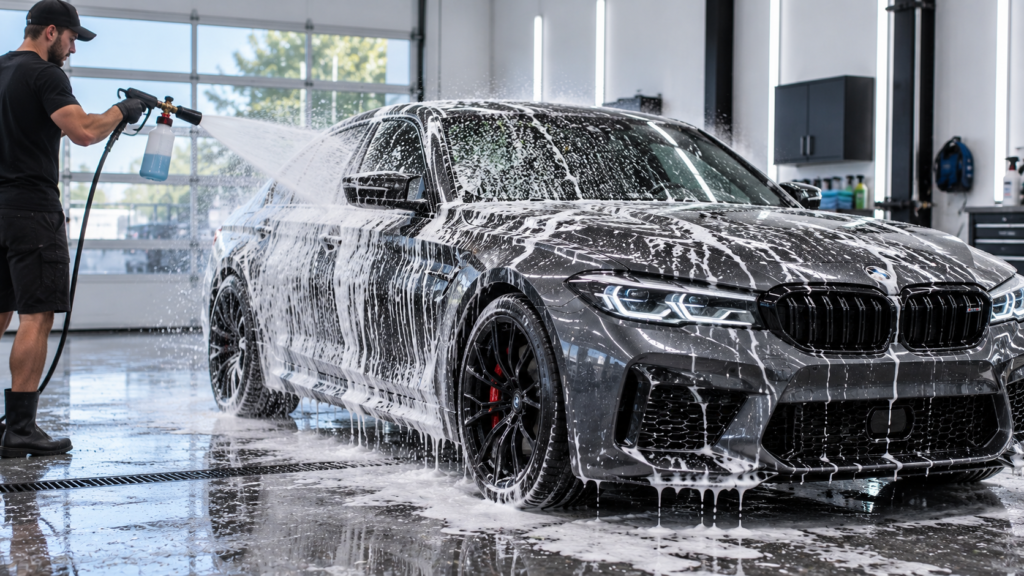
Washing a ceramic-coated car requires pH-neutral car soap, clean microfiber wash mitts, and gentle washing techniques. While a ceramic coating prevents dirt, road grime, and tree sap from bonding directly to your factory clear coat, poor washing habits can still leave light swirl marks and cover the coating’s hydrophobic layer with dirt buildup. Following proper hand-washing methods keeps your vehicle looking glossy and ensures your coating performs at its best for years. Essential Washing Supplies for Coated Vehicles Before you start washing, gather gentle, high-quality car care products: pH-Neutral Car Shampoo: Choose a soap free from harsh detergents, strong acids, or added waxes. Wax additives leave a residue that temporarily masks the coating’s self-cleaning properties. Two Wash Buckets with Grit Guards: Place a grit guard filter at the bottom of each bucket to trap dirt particles at the bottom and keep them away from your wash mitt. Microfiber Wash Mitts: Use ultra-soft plush microfiber mitts instead of coarse sponges, which trap dirt and drag it across clear coat panels. Microfiber Drying Towel or Air Blower: High-density microfiber drying towels or contactless air blowers prevent water spots without abrading the surface. Step-by-Step Guide to Washing Your Coated Vehicle Executing a careful wash routine preserves clear coat clarity and prevents wash-induced micro-marring. Rinse and Pre-Foam the Exterior: Rinse the vehicle thoroughly with a pressure washer or hose to knock off loose surface dust and heavy grit before touching the paint. If available, use a foam cannon to cover the vehicle in slick lather to loosen stubborn dirt. Use the Two-Bucket Method: Fill one bucket with soapy water and the second bucket with clean rinse water. Dip your mitt into the soap, wash one panel from top to bottom, and rinse the mitt in the clean water bucket before taking fresh soap back to the vehicle. Wash Top to Bottom: Start cleaning at the roof and glass, working down toward lower rocker panels and wheels where heavy road grime accumulates. Rinse Thoroughly: Flush away all soap residue with clean water. You will notice water sheeting and beading off the body panels rapidly due to the coating’s low surface tension. What to Avoid When Cleaning Ceramic Coatings Protecting your investment means steering clear of aggressive cleaning habits: Avoid Automatic Brush Car Washes: Mechanical car washes use heavy nylon brushes that hold abrasive dirt from previous cars, leaving heavy swirl marks across your panels. Never Wash in Direct Sunlight: High temperatures in the Santa Clarita Valley cause tap water and soap to dry quickly on hot body panels, leaving mineral deposits and water spots. Skip Dish Soap and Household Cleaners: Household detergents strip protective barriers and dry out rubber seals around glass trim. Frequently Asked Questions Can I use a pressure washer on a ceramic coated car? Yes. Pressure washers are excellent for pre-rinsing heavy dirt off a coated car. Keep the spray nozzle at least 15 to 18 inches away from the paint surface and avoid concentrated high pressure on loose trim or clear film edges. How often should I wash a ceramic coated car? Washing your vehicle every two weeks prevents airborne dust, pollen, and environmental fallout from building up on the paint surface and clogging the hydrophobic layer. Looking for Ceramic Coating Maintenance in Santa Clarita? Pristine Auto Care offers professional detailing and maintenance care to keep your ceramic coating performing like new.
When Can You Wash Your Car After Ceramic Coating? | Santa Clarita Auto Care
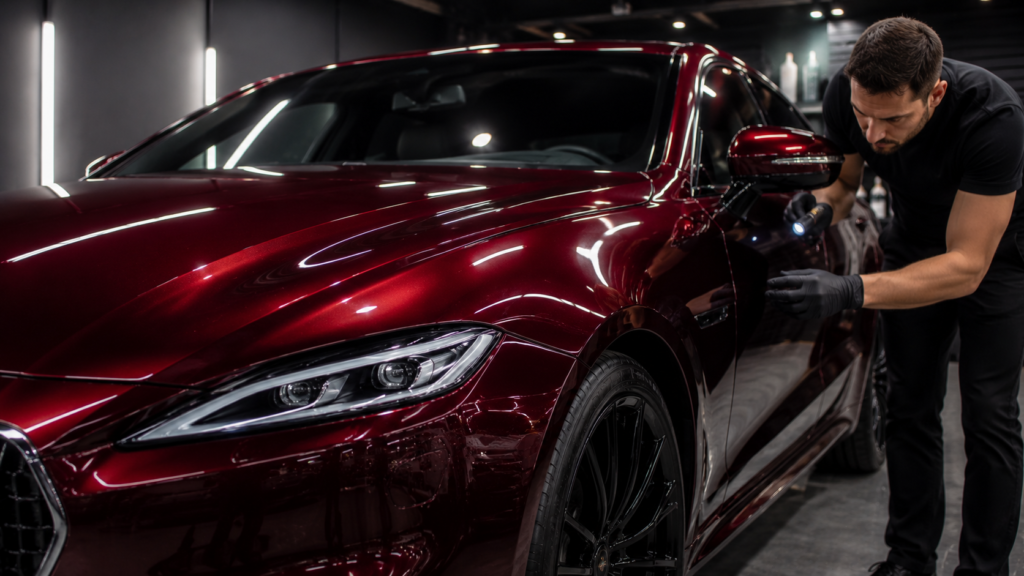
You should wait at least 7 days before washing your vehicle with soap and water after applying a ceramic coating. While the coating feels dry to the touch within 24 hours of application, the underlying chemical bond requires a full week to cure completely. Washing your car too soon—or using aggressive cleaning chemicals during the curing window—can disrupt the cross-linking process of the silicon dioxide ($SiO_2$) formula. This premature exposure can weaken the barrier, shorten the coating’s lifespan, and compromise its hydrophobic performance. Understanding the Ceramic Coating Cure Time The curing process occurs in distinct stages as the liquid coating hardens and bonds to your factory clear coat: The First 24 Hours: This is the most critical window. The vehicle must stay completely dry. Moisture, rain, and morning dew can interfere with initial bonding. Days 2 to 7: The coating continues to harden chemically. While the vehicle can be driven, the paint remains sensitive to harsh chemical soaps, high-pressure water, and aggressive friction. Day 7 and Beyond: The coating reaches sufficient hardness for its first routine hand wash. Full chemical cure and maximum hardness are generally achieved within 14 days. What to Do If Your Car Gets Dirty During the Curing Window Driving in Santa Clarita means encountering road dust, pollen, and occasional bird droppings. Leaving acidic contaminants on a freshly coated surface can cause permanent etching while the coating is still curing. If contaminants land on your vehicle during the first week, do not wash the entire car. Instead, spot clean the area carefully: Mist the spot lightly with distilled water or a manufacturer-approved ceramic detail spray. Allow the liquid to loosen the debris for 30 to 60 seconds. Gently wipe the spot away using a clean, ultra-soft microfiber towel without applying heavy pressure. How to Wash Your Car After the 7-Day Wait Period Once the 7-day cure window has passed, adopting proper washing techniques will preserve the gloss and hydrophobic properties of your [INTERNAL LINK: professional ceramic coating]. Use pH-Neutral Shampoo: Wash only with dedicated car soaps free from aggressive degreasers, heavy waxes, or harsh acid additives. Practice the Two-Bucket Method: Fill one bucket with soapy water and a second bucket with clean rinse water. Rinse your microfiber wash mitt in the clean water bucket before taking fresh soap to prevent dragging trapped dirt across the paint. Wash Out of Direct Sun: Always wash and dry your vehicle in the shade or early morning to prevent soapy water from drying on the surface and creating mineral spots. Avoid Automatic Brush Washes: Mechanical car washes use stiff bristles that hold dirt from previous vehicles, which will cause micro-marring and dull your finish over time. Local Climate Considerations for Curing in Santa Clarita The dry heat and high temperatures in the Santa Clarita Valley help accelerate surface dry times. However, strong UV sunlight and airborne dust from dry winds bring specific challenges during week one. Parking your vehicle in a garage or covered driveway during the first 7 days shields the curing surface from intense afternoon sun, blowing dust along the freeway, and mineral-heavy morning moisture. Following proper cure protocols ensures your investment delivers peak performance for years to come. Explore our full [INTERNAL LINK: Auto Detailing] guide for complete maintenance routines. Frequently Asked Questions What happens if it rains on my car during the first 24 hours? If rainwater hits your vehicle during the initial 24-hour cure period, dry the paint gently with a clean microfiber towel as soon as possible. Allowing water spots to dry under hot sun on fresh coating can leave light water marks. Can I use a pressure washer on a ceramic-coated car? Yes, but wait until after the 7-day curing period. When pressure washing, keep the nozzle at least 15 to 18 inches away from the paint to avoid blasting high pressure onto delicate trim or fresh edges. Looking for Ceramic Coating in Santa Clarita? Pristine Auto Care provides professional ceramic coating installations paired with detailed care instructions to protect your paint for the long haul. [INTERNAL LINK: Request a Ceramic Coating Quote]