Ceramic Coating vs Paint Sealant: Which Is Better for Your Car? | Santa Clarita Auto Care
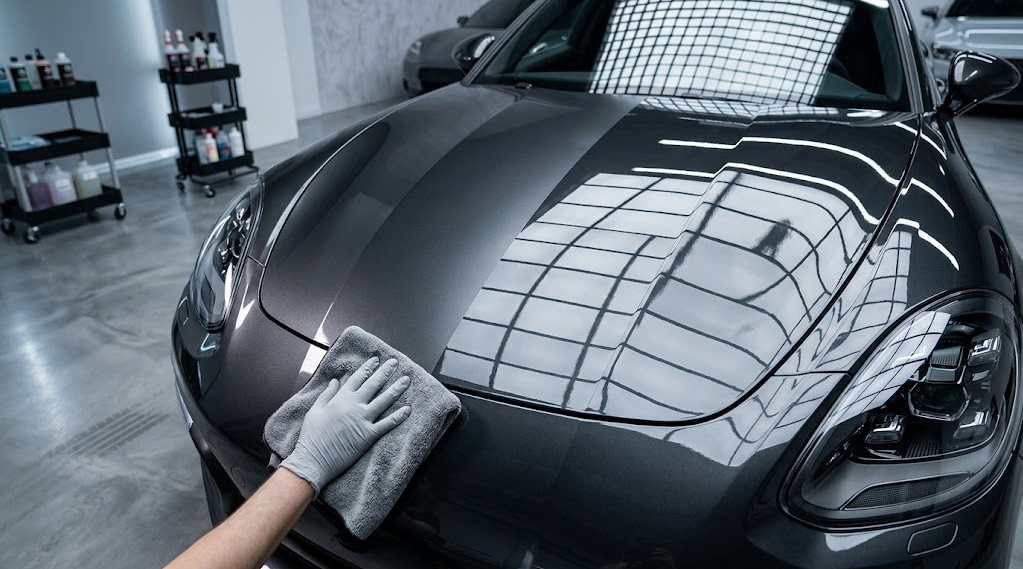
When comparing paint sealants and ceramic coatings, both options provide synthetic protection superior to traditional carnauba wax. However, they differ significantly in durability, chemical bonding, and long-term protection. Synthetic paint sealants sit on top of your vehicle’s clear coat as a sacrificial barrier, lasting between 4 and 6 months. A professional ceramic coating utilizes silicon dioxide ($SiO_2$) to form a semi-permanent chemical bond directly with the clear coat, delivering hydrophobic water repellency, UV protection, and gloss that lasts for years. What Is a Synthetic Paint Sealant? Paint sealants are liquid products formulated from synthetic polymers designed to adhere to automotive clear coat surfaces. Temporary Shield: Sealants rest on top of the paint, shielding the clear coat from light environmental contamination and oxidation. Moderate Durability: A quality paint sealant generally lasts 4 to 6 months before environmental exposure breaks down the polymer layer. Easy Application: Applying a sealant requires minimal curing time compared to ceramic coatings, making it a popular choice for quick detailing services or leased vehicles. What Is a Ceramic Coating? A ceramic coating is an advanced liquid polymer containing high concentrations of silicon dioxide ($SiO_2$). Once applied, it cross-links with your factory clear coat to form an ultra-hard, glass-like layer. Chemical Bonding: Rather than resting on the surface, ceramic coatings chemically integrate with the clear coat to create a semi-permanent finish. Multi-Year Lifespan: Professional ceramic coatings last anywhere from 2 to 5+ years, depending on the product formula and ongoing maintenance. Extreme Hydrophobicity: The coating lowers surface energy, causing water to bead tightly and roll off panels while taking surface dust and grime with it. Key Differences: Ceramic Coating vs. Paint Sealant Understanding how these two protective options compare helps you decide which treatment fits your budget and vehicle care routine. Durability and Heat Resistance: Synthetic sealants degrade quickly when exposed to high surface temperatures and harsh chemical soaps. Ceramic coatings withstand high heat without melting or breaking down, making them better suited for hot California summers. Environmental Defense: Ceramic coatings offer far greater resistance against acidic bird droppings, tree sap, bug splatter, and harsh road chemicals that cause permanent clear coat etching. Surface Prep Requirements: Sealants can be applied after a basic wash and light decontamination. Ceramic coatings require thorough surface prep, including clay bar treatment and Paint Correction, to ensure a strong chemical bond and flawless finish. Which Paint Protection Option Is Right for You? A synthetic paint sealant works well for vehicle owners seeking temporary protection on a lower upfront budget, or drivers turning in a lease short-term. However, if you drive daily in Santa Clarita—where intense UV exposure, summer heat, and blowing dust continuously stress factory paint—a ceramic coating offers vastly superior long-term value. Pairing your coating with routine Auto Detailing practices keeps your vehicle’s finish clear and glossy for years without needing frequent reapplication. Frequently Asked Questions Can you apply a ceramic coating over a paint sealant? No. A ceramic coating must bond directly to bare, clean factory clear coat. Any existing sealants or waxes must be chemically stripped and polished off prior to coating application. Is a paint sealant better than traditional car wax? Yes. Synthetic paint sealants offer better heat resistance and last significantly longer than natural carnauba waxes, which typically wear off after 4 to 8 weeks. Looking for Paint Protection in Santa Clarita? Pristine Auto Care provides professional ceramic coating and paint protection services tailored to shield your vehicle from local weather and road conditions.
Best Ways to Protect Your Car’s Paint in Santa Clarita
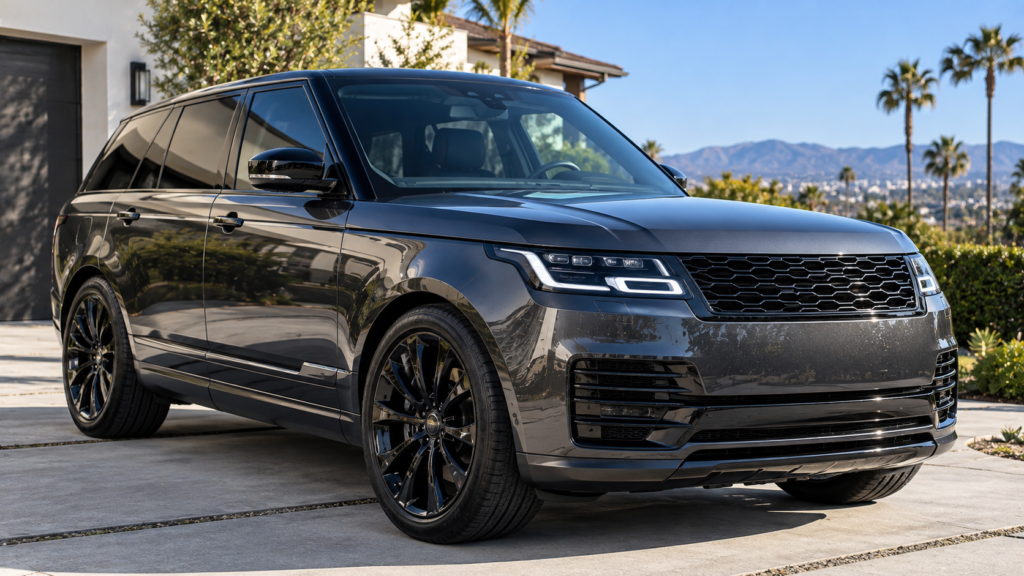
Keeping your vehicle’s paint looking new in the Santa Clarita Valley requires proactive care. Strong year-round sunlight, intense summer heat, blowing dust, and mineral-heavy water continuously wear down the factory clear coat. Without proper defense, unprotected clear coats dull, fade, and oxidize within a few years. The most effective way to protect your car’s paint in Santa Clarita combines long-term chemical or physical surface barriers with proper hand-washing techniques and smart parking habits. Understand the Environmental Threats to Local Vehicle Paint The climate in Northern Los Angeles County presents specific challenges for automotive clear coats: Intense UV Exposure: Direct solar radiation breaks down the clear coat’s chemical bond, causing paint oxidation and color fading. High Thermal Stress: Dark-colored body panels frequently reach extreme surface temperatures in the summer, causing traditional waxes to melt off quickly. Windblown Dust and Debris: Dust carried by dry winds acts like fine sandpaper, creating micro-marring when wiped improperly. Hard Water Spotting: Tap water and local sprinklers leave heavy mineral deposits that can etch permanently into hot paint surfaces. Install a Durable Surface Barrier Relying solely on temporary spray waxes is rarely enough to withstand local environmental conditions for more than a few weeks. Modern paint protection technologies offer far stronger defenses. A professional ceramic coating utilizes silicon dioxide ($SiO_2$) to create a hard, hydrophobic shield over your paint. This layer blocks damaging UV rays, repels dust and environmental grime, and prevents bird droppings or tree sap from burning into the clear coat. For vehicles frequently driven on local freeways like the I-5 or Route 14, pairing a ceramic coating with Paint Protection Film (PPF) on front-impact zones offers complete defense against flying rocks and gravel chips. Practice Safe Washing and Maintenance Techniques How you clean your vehicle directly impacts how long your paint stays swirl-free. Poor washing habits cause over 80% of surface scratches and dullness. Avoid Automatic Brush Washes: Mechanical drive-through car washes utilize harsh bristles that trap dirt from previous vehicles, dragging it across your paint. Use the Two-Bucket Hand Wash Method: Separate clean soap water from dirty rinse water. Always use a soft microfiber wash mitt to minimize surface friction. Wash in the Shade: Cleaning your vehicle out of direct sunlight prevents water and soap from drying rapidly on hot panels, which creates hard water spots. Dry With Premium Microfiber: Never let tap water dry on your paint naturally. Use clean, high-GSM microfiber drying towels or blown air. Incorporating routine Auto Detailing treatments ensures embedded contaminants like iron particles and tar are removed before they cause lasting damage. Minimize Direct Heat and Solar Exposure Whenever possible, park your vehicle inside a garage, under a carport, or in shaded areas during peak afternoon hours. Shaded parking reduces thermal stress on your clear coat and interior surfaces. If garage parking is unavailable, maintaining a hydrophobic ceramic barrier keeps dust from sticking firmly to the clear coat, making daily buildup easy to rinse away safely. Frequently Asked Questions How often should I wash my car to protect the paint in Santa Clarita? Washing your vehicle every two to three weeks removes accumulated dust, pollen, and road contaminants before they bond to the clear coat or cause etching under hot sunlight. Is traditional wax enough to protect paint from Southern California sun? No. Traditional carnauba waxes break down quickly under high heat, often lasting only 3 to 6 weeks in summer conditions. Synthetic sealants or professional ceramic coatings offer far greater heat tolerance and UV defense. Looking for Paint Protection in Santa Clarita? Pristine Auto Care provides professional ceramic coating, paint correction, and protection services designed to keep your vehicle looking factory-new in any season.
Does Ceramic Coating Prevent Scratches? | Santa Clarita Auto Care
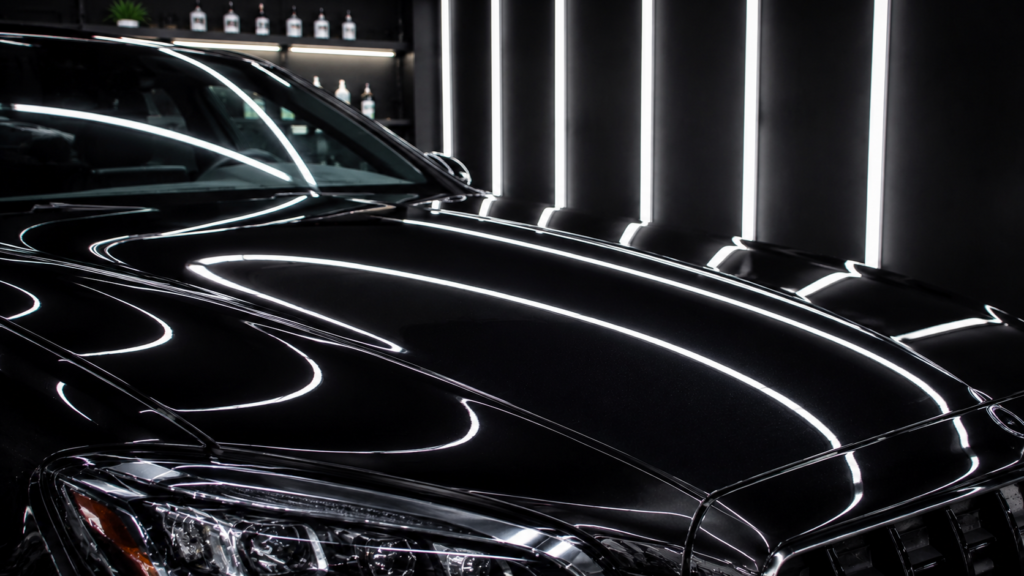
Does Ceramic Coating Prevent Scratches? No, ceramic coating does not make your car completely scratch-proof. While ceramic coatings add a hard protective layer over your factory finish, they cannot stop heavy physical damage like flying rock chips, deep scratches, or intentional key marks. What a professional ceramic coating does provide is excellent resistance against light micro-marring, swirl marks caused by proper hand washing, chemical stains, and environmental etching. Understanding the difference between scratch resistance and scratch prevention helps vehicle owners choose the right protection for their driving habits. What Ceramic Coating Can Protect Against Ceramic coatings contain high concentrations of silicon dioxide ($SiO_2$), which cures into a hydrophobic, glass-like barrier across your clear coat. On the pencil hardness scale, quality ceramic coatings rate around 9H, making the surface significantly harder than untreated factory clear coat. This additional hardness helps shield your exterior from several common cosmetic issues: Wash Micro-Marring: It reduces minor surface friction during safe hand washes, preventing light cobwebbing in the clear coat. Chemical Etching: Acidic bird droppings, bug splatter, and tree sap are blocked from burning directly into the paint. UV Oxidation: Intense solar heat and UV rays are kept from dulling the paint’s color and clear coat over time. Water Spotting: Mineral deposits from hard water are easier to clean off before they permanently etch into the finish. The Types of Damage Ceramic Coating Cannot Stop Despite some exaggerated marketing claims online, a liquid ceramic coating cures to a thickness of less than one micron. Because of this microscopic depth, it cannot absorb heavy mechanical impacts. Ceramic coatings will not protect your vehicle from: Highway Rock Chips: Gravel flying off trucks on the I-5 or Route 14 will punch straight through the coating and factory clear coat. Deep Scratches: Sharp objects, keys, runaway shopping carts, or overgrown bushes will still gouge the paint underneath. Automatic Car Wash Brushes: Heavy spinning brushes carrying coarse dirt from previous vehicles will still swirl and scratch a coated surface. How to Get True Scratch and Chip Protection If your primary goal is stopping physical rock chips and deep scratches, combining protective treatments delivers the complete solution. Installing Paint Protection Film (PPF) on high-impact zones like your front bumper, hood, and side mirrors creates a thick polyurethane barrier designed to absorb physical impacts and self-heal light surface scratches. Applying a ceramic coating over the rest of the vehicle—or directly on top of the film—gives you the best of both worlds: impact defense plus extreme gloss and self-cleaning water repellency. If your vehicle already has swirl marks or light scratches, performing thorough Paint Correction before coating application ensures those defects are removed rather than sealed permanently underneath. Frequently Asked Questions Does ceramic coating make your car 9H hard like a diamond? No. The 9H rating for ceramic coatings refers to the pencil hardness scale, not the Mohs mineral hardness scale used for diamonds. While it increases clear coat surface hardness, it remains an ultra-thin barrier that cannot resist heavy physical gouges. Will a ceramic coating cover up existing scratches on my car? No. Ceramic coatings are completely transparent and do not fill in scratches. Any existing swirl marks or surface imperfections must be polished out through paint correction before the coating is applied. Looking for Ceramic Coating in Santa Clarita? Pristine Auto Care offers professional ceramic coating and paint protection services tailored to keep your vehicle looking factory-new. Request a Ceramic Coating Quote
PPF vs Ceramic Coating: Which Protection Does Your Car Need?
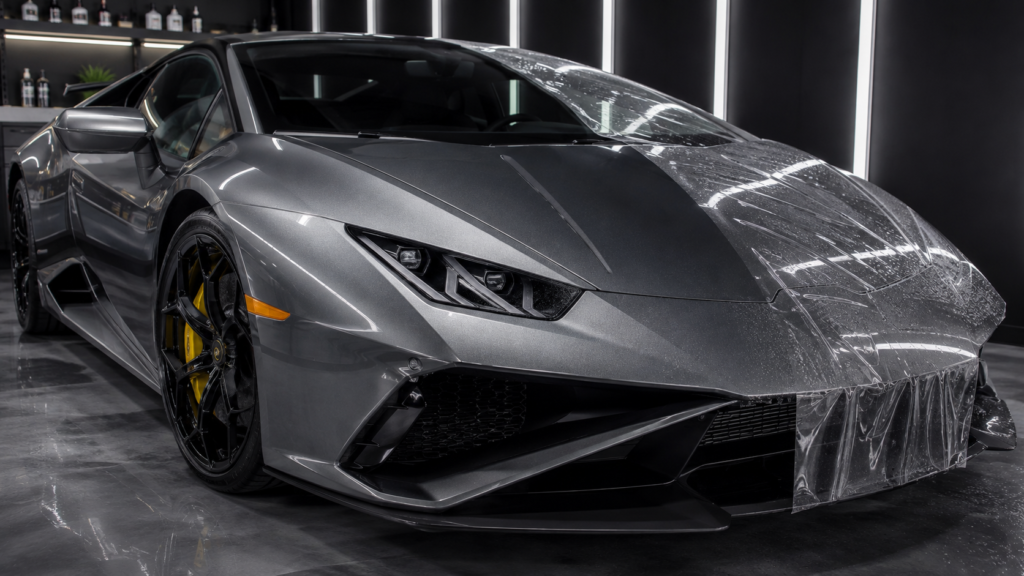
PPF vs Ceramic Coating: Which Protection Does Your Car Need? Choosing the right paint protection comes down to understanding what threats your vehicle faces daily. While both Paint Protection Film (PPF) and ceramic coatings safeguard your car’s exterior, they serve fundamentally different protective roles. Paint Protection Film (often called clear bra) is a thick, shock-absorbing polyurethane layer designed to stop physical damage like rock chips, gravel, and scratches. A professional ceramic coating is a liquid polymer that chemically bonds to your clear coat, offering extreme hydrophobic properties, chemical resistance, and deep gloss. Understanding these key differences helps you select the ideal setup for your driving habits. What Is Paint Protection Film (PPF)? Paint Protection Film is a transparent, durable polyurethane film applied directly to a vehicle’s high-impact zones or entire body panels. Its primary role is mechanical defense. Impact Resistance: PPF acts as a physical shield, absorbing the energy from flying rocks, road gravel, and debris before it reaches your paint. Self-Healing Capabilities: Most modern high-quality films feature an elastomeric top layer that heals minor wash swirls and light surface scratches when exposed to sun heat or warm water. Targeted Protection: Drivers frequently install PPF on high-wear areas such as front bumpers, hoods, fenders, side mirrors, and rocker panels. What Is Ceramic Coating? Unlike film, a ceramic coating is a hydrophobic liquid formula containing silicon dioxide ($SiO_2$). Once applied and cured, it bonds seamlessly with your factory paint surface. Chemical and UV Resistance: Ceramic coatings shield clear coats from harmful UV rays, harsh road chemicals, bird droppings, and acidic tree sap that cause oxidation and etching. Hydrophobic Water Beading: The ultra-slick surface repels water, mud, and grime, keeping your car cleaner for longer and making washing effort-free. Enhanced Paint Depth: Coatings deepen paint reflection, giving your car a permanent high-gloss finish. Key Differences Between PPF and Ceramic Coating Comparing these two protective solutions side by side highlights where each product excels: Physical Protection: PPF stops rock chips, deep scratches, and mechanical abrasion. Ceramic coating cannot stop rock chips or heavy physical impacts. Surface Slickness and Hydrophobicity: Ceramic coatings outperform standard PPF in repelling dirt, shedding water, and resisting chemical stains. Maintenance Effort: Ceramic coatings make routine vehicle washing far easier due to their self-cleaning, low-friction surface. Appearance: Both options look great, but ceramic coatings provide a noticeably sharper glass-like gloss and visual depth. Can You Combine PPF and Ceramic Coating? You do not have to pick just one. In fact, combining PPF and ceramic coating offers the ultimate vehicle paint protection strategy. Installing PPF on high-impact front panels protects your vehicle from highway gravel and debris. Applying a ceramic coating over the entire vehicle—including on top of the film—delivers maximum chemical resistance, intense shine, and easy maintenance across every surface. Driving around Santa Clarita involves exposure to intense sun, loose dust, and highway debris on the I-5 and Route 14. Combining film protection on front impact zones with ceramic coverage across the rest of the body keeps paint safe from both physical impacts and sun degradation. Learn more about routine upkeep in our Auto Detailing guide.
Ceramic Coating vs Wax: Which Is Better for Your Car?
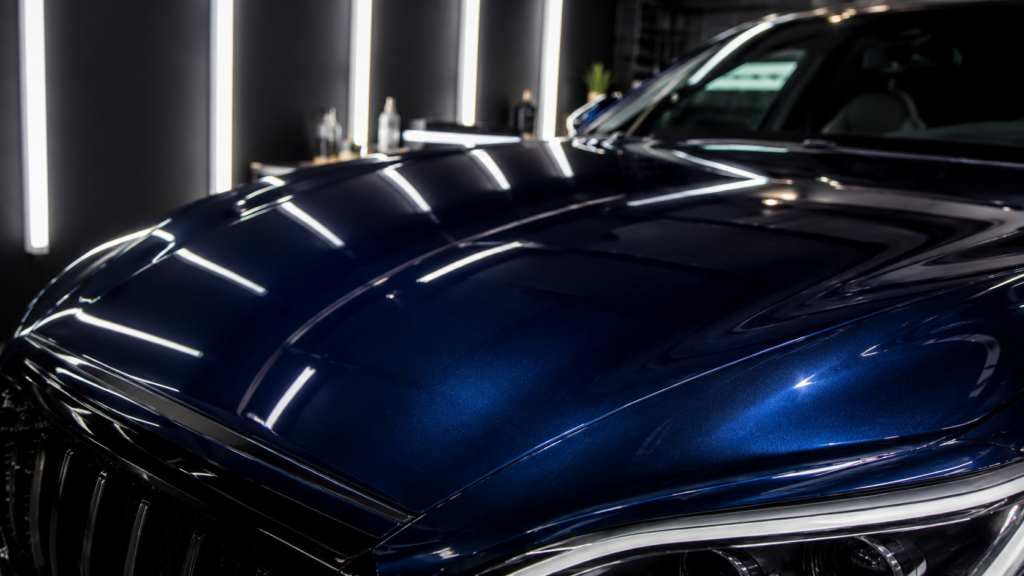
When deciding how to protect your vehicle’s paint, the choice usually comes down to traditional car wax or a modern ceramic coating. While both products enhance shine and help shield your vehicle from the elements, they offer very different levels of performance and longevity. Traditional car wax provides a temporary, budget-friendly shine that lasts a few weeks to a couple of months. A ceramic coating creates a durable, semi-permanent chemical bond with your factory clear coat, delivering years of extreme hydrophobic protection and chemical resistance. For long-term protection against the intense California sun, ceramic coating is the superior option. Key Differences Between Ceramic Coating and Traditional Wax Understanding how these two protective options differ helps you choose the right product for your vehicle and routine. Bonding Technology: Wax sits on top of your paint as a sacrificial barrier. Ceramic coating forms a hard, chemical bond directly with the paint’s clear coat. Durability: Carnauba wax and synthetic sealants degrade within 1 to 3 months. Ceramic coatings last between 2 and 5+ years depending on formula and care. Heat Resistance: Wax melts at higher temperatures, offering minimal defense during hot summer days. Ceramic coatings withstand high heat without breaking down. Ease of Washing: Ceramic coatings feature self-cleaning hydrophobic properties that prevent dirt and road grime from bonding to the surface. Durability and Environmental Protection The biggest distinction between wax and ceramic coating is how well they stand up to environmental stress. Traditional wax consists of natural carnauba or synthetic polymers. While it offers a rich, warm shine, it easily breaks down when exposed to rain, detergent wash soaps, and continuous sunlight. In places like Santa Clarita, high summer heat and UV exposure strip traditional wax off vehicle surfaces rapidly. A high-quality ceramic coating utilizes silicon dioxide ($SiO_2$) technology. Once cured, it creates a slick, hydrophobic shell that repels water, mud, tree sap, and bird droppings. It also provides essential protection against UV-induced oxidation and paint fading, keeping clear coats vibrant despite daily sun exposure. Maintenance and Ease of Cleaning Maintaining a vehicle protected by ceramic coating requires significantly less effort than maintaining a waxed car. Because traditional wax lacks strong hydrophobic qualities, dirt and brake dust cling to the paint surface. Removing contamination requires frequent washing and re-waxing multiple times per year. Conversely, a ceramic-coated vehicle features a low-surface-energy barrier. Water beads up and rolls off the panels, taking surface dirt with it. Road grime washes away effortlessly with a simple hand wash using pH-neutral shampoo, making weekly or bi-weekly vehicle maintenance fast and simple. For optimal results, pairing regular wash habits with professional practices keeps the coating performing like new. Upfront Cost vs. Long-Term Value Traditional wax appears more affordable initially because the application process requires minimal prep work. However, repeating the process four to six times a year adds up in time and maintenance costs. A professional ceramic coating requires a higher upfront investment. This is largely due to the rigorous preparation required before application, including thorough decontamination and paint correction to eliminate swirl marks. However, because a ceramic coating lasts for years without needing reapplication, it offers far greater long-term value for daily drivers and car enthusiasts alike. Overall costs depend on your vehicle’s size, paint condition, and the level of paint correction required before application. Frequently Asked Questions Can you apply wax over a ceramic coating? It is not recommended. Wax will not bond well to the slick surface of a ceramic coating. Adding wax can actually mask the coating’s superior hydrophobic properties and attract more dust and dirt. Does ceramic coating prevent scratches and rock chips? No. While ceramic coating provides light resistance against micro-marring caused by proper washing, it does not prevent rock chips, heavy scratches, or parking lot door dings. Looking for Ceramic Coating in Santa Clarita? Pristine Auto Care offers professional ceramic coating application designed to protect your car’s finish against tough UV rays and daily road wear.