How Does Ceramic Coating Work? The Science Behind Paint Protection
A ceramic coating works by forming a semi-permanent chemical bond with your vehicle’s factory clear coat. When applied as a liquid, active ceramic molecules penetrate microscopic pores in the paint and cross-link as they cure, hardening into a smooth, hydrophobic shell. This invisible barrier lowers surface tension, causing water, dirt, and environmental contaminants to bead up and roll off rather than sticking to your finish. Understanding the mechanics behind ceramic technology helps explain why it outperforms traditional car waxes and sealants. Chemical Cross-Linking with Factory Clear Coat Traditional car waxes and synthetic sealants rest loosely on top of your vehicle’s exterior. Because they rely on simple surface adhesion, heat and car wash detergents wash them away within weeks or months. A professional ceramic coating works differently at the molecular level. Most professional formulas are suspended in a carrier solvent containing silicon dioxide (SiO_2) or nanoceramic polymers. During installation: 1. Surface Penetration: The liquid formula fills the microscopic valleys and pores present in every factory clear coat. 2. Solvent Evaporation: As the carrier solvent flashes off into the air, the active ceramic molecules align across the panel. 3. Covalent Bonding: The molecules cross-link directly with the polyurethane clear coat, curing into a rigid, transparent protective layer that cannot be rinsed off with soap and water. How Hydrophobic Surface Tension Repels Dirt One of the most recognizable traits of a ceramic-coated car is extreme water beading. This behavior is driven by surface energy and contact angles. Unprotected clear coat has microscopic roughness that allows water droplets to spread out flat, trapping airborne dust and minerals against the paint. Once cured, a ceramic coating creates an ultra-smooth surface with very low surface energy. When water hits a coated panel, high surface tension forces the liquid into tight, spherical beads with a steep contact angle. As the vehicle moves or is rinsed, these water beads roll effortlessly off the car, picking up loose surface dust and road film along the way. UV and Chemical Resistance Explained Beyond water repellency, the inorganic nature of cured silicon dioxide protects your vehicle against environmental wear. Solar and Heat Defense: Organic waxes melt under high temperatures. Inorganic ceramic layers possess high thermal resistance, shielding factory clear coat from ultraviolet (UV) radiation and preventing paint oxidation. Chemical Barrier: Bird droppings, bug splatter, and tree sap contain acids that eat into unprotected paint when baked under direct sunlight. The dense ceramic cross-link acts as a sacrificial barrier, slowing chemical etching so contaminants can be washed away safely. In sunny regions like the Santa Clarita Valley—where intense summer heat, UV exposure, and dry valley dust test vehicle exteriors daily—this chemical and thermal resistance helps preserve original factory gloss. Why Surface Preparation Makes the Bond Possible Because a ceramic coating relies on chemical bonding, it requires direct contact with bare clear coat. If old wax, road oil, or industrial fallout sits on the paint, the coating cannot cross-link properly. Before installation, technicians perform thorough chemical decontamination and machine Paint Correction to remove swirl marks and oxidation. Once the paint is clean and level, the coating bonds uniformly across every panel. Ongoing hand washes using safe techniques keep the top layer clean and hydrophobic; explore our Auto Detailing for routine care options. Frequently Asked Questions Does ceramic coating change the color of my car? No. Ceramic coatings cure into an optically clear, transparent layer. Rather than altering your paint color, the smooth surface enhances light reflection, giving existing paint deeper gloss and clarity. Can ceramic coating stop rock chips from highway driving? No. While a cured coating adds light surface hardness that helps resist fine wash swirls, it is an ultra-thin liquid layer. For physical impact defense against flying gravel, pair your coating with Paint Protection Film. Looking for Ceramic Coating in Santa Clarita? Pristine Auto Care provides professional paint preparation and ceramic coating installations designed to protect your vehicle’s finish against California sun and daily road wear.
Fleet Vehicle Cleaning Checklist for Santa Clarita Businesses
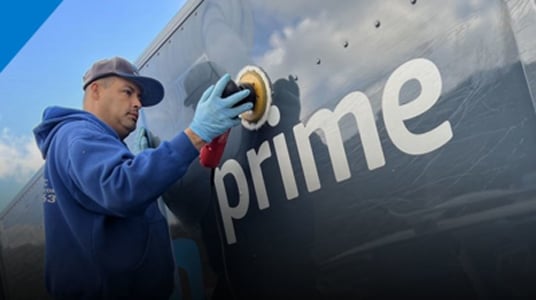
A practical fleet vehicle cleaning checklist for Santa Clarita businesses: what to clean, how often, how to cut downtime and when to add paint protection.