Interior Car Detailing in Santa Clarita: What a Thorough Interior Detail Covers

What does interior car detailing in Santa Clarita include? Seats, carpets, mats and trim, how to prepare, and how mobile detailing keeps your cabin fresh.
How California Sun Affects Car Paint (And How to Stop Fading)
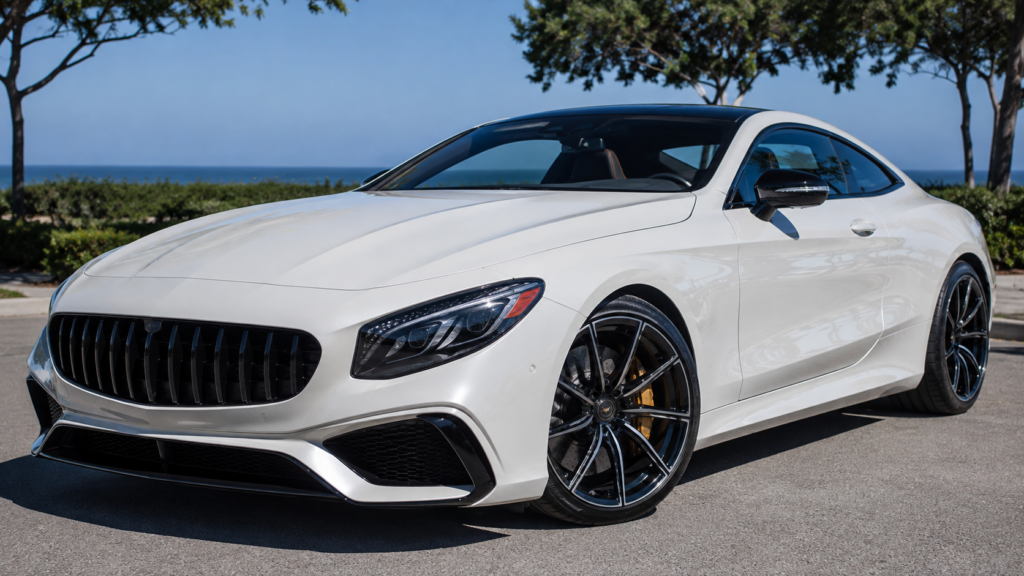
Intense California sun damages car paint by breaking down the chemical bonds inside your vehicle’s factory clear coat through continuous ultraviolet (UV) radiation and extreme surface heat. Over time, this exposure leads to oxidation, color fading, dullness, and eventually peeling clear coat. Understanding how solar exposure affects automotive finishes helps California drivers take proactive steps to shield their paint before permanent sun damage occurs. How UV Radiation Breaks Down Clear Coat Modern automotive paint consists of three main layers: primer, base color coat, and a transparent top clear coat. The clear coat contains UV absorbers designed to protect the pigment underneath, but those built-in absorbers are finite. When your vehicle is parked outdoors under year-round Southern California sunlight: Polymer Degradation: UV rays break down the chemical polymers holding the clear coat together, causing the surface to lose its smooth, glossy finish. Oxidation: As the top layer dries out and oxidizes, it develops a chalky, hazy appearance that dulls vibrant paint colors—especially reds, blacks, and dark blues. Clear Coat Failure: Once UV damage completely exhausts the clear coat’s protective capacity, the transparent layer begins to crack, flake, and peel away from the color coat below. The Role of Extreme Surface Heat and Thermal Cycling In inland areas like the Santa Clarita Valley, summer temperatures frequently climb into the triple digits. Under direct afternoon sun, dark vehicle panels can reach extreme surface temperatures. This intense heat causes metal body panels to expand during the day and contract as temperatures drop at night. Over thousands of thermal cycles, microscopic pores in the clear coat open up, allowing airborne dust, acidic bird droppings, and hard water minerals to penetrate deeper into the paint. Once baked into the hot clear coat, these contaminants leave permanent etched marks that cannot be washed away. [INLINE IMAGE PROMPT: Close-up photograph of an automotive detailing technician using an LED inspection light to check a glossy dark grey car hood for paint clarity and surface condition inside a detailing studio. Purpose: Demonstrates inspecting factory clear coat for early signs of sun oxidation and surface defects. 16:9 aspect ratio, photorealistic, sharp focus, clean background, no text, no logos. ALT TEXT: Auto detailing technician inspecting vehicle clear coat under LED lighting for sun damage.] Why Traditional Car Wax Cannot Keep Up Many car owners rely on traditional carnauba wax to protect their paint from the sun. While wax provides a pleasant temporary shine, it has a relatively low melting point. In hot climates across Valencia, Saugus, and Canyon Country, summer heat softens and evaporates natural wax within just a few weeks. Once the wax melts away, your factory clear coat is left completely exposed to UV rays and environmental fallout. Proven Ways to Protect Your Paint from Sun Damage Preventing solar fading requires creating a durable, heat-resistant barrier between your clear coat and the sun: Apply a Professional Ceramic Coating: A professional ceramic coating utilizes inorganic silicon dioxide ($SiO_2$) that chemically bonds with your factory clear coat. Unlike wax, ceramic coatings withstand extreme heat without melting and provide continuous UV resistance for years. Use Paint Protection Film on High-Exposure Panels: Hoods, roofs, and trunk lids take the brunt of overhead sunlight. Installing Paint Protection Film adds a thick, UV-resistant physical barrier that protects high-impact and sun-exposed areas from both solar fading and road debris. Wash Regularly to Remove Baked-On Grime: Dust and pollen trapped on hot paint accelerate clear coat wear. Hand-washing every two weeks using pH-neutral soap keeps the surface clean. Explore our Auto Detailing for safe maintenance practices. Park in Shaded Areas Whenever Possible: Utilizing a garage, carport, or shaded parking spot during peak midday hours significantly reduces cumulative UV exposure. Frequently Asked Questions Can sun-faded car paint be restored without repainting? If the damage is limited to light surface oxidation in the clear coat, machine paint correction can often polish away the dead layer and restore gloss. However, if the clear coat is peeling or flaking, the affected panels must be repainted by a body shop. Does ceramic coating block UV rays from fading car paint? Yes. High-grade ceramic coatings contain UV-blocking properties and inorganic silica compounds that resist solar radiation, helping prevent clear coat oxidation and keeping paint colors rich and glossy. Looking for Sun Protection for Your Vehicle in Santa Clarita? Pristine Auto Care provides professional ceramic coating and paint protection services designed to shield your car’s finish from intense California heat and UV exposure.