How to Choose a Ceramic Coating Installer in Santa Clarita
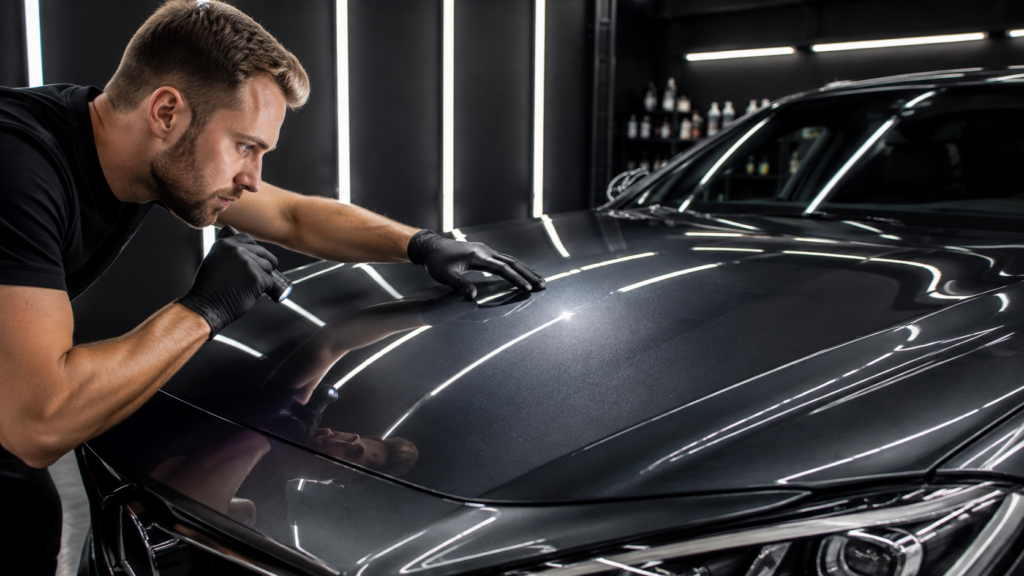
Choosing the right ceramic coating installer comes down to evaluating their paint preparation process, facility lighting, product knowledge, and post-installation support. While many shops offer ceramic coatings, the liquid product itself is only as good as the preparation and installation technique behind it. Finding an experienced ceramic coating installer specialist ensures your vehicle receives the necessary surface decontamination, paint correction, and proper curing time to deliver years of gloss and protection. Look at Their Paint Preparation and Correction Process The most critical step of any ceramic coating installation happens before the bottle is ever opened. A ceramic coating forms a semi-permanent chemical bond with bare clear coat; it cannot adhere properly to dirty, waxed, or contaminated paint. When speaking with a prospective shop, ask about their prep workflow: Decontamination Steps: Do they perform a chemical iron fallout removal and a mechanical clay bar treatment to extract embedded rail dust and brake debris? Paint Correction Standards: Do they measure clear coat thickness and use machine polishers to remove swirl marks and clear coat haze? Applying a coating over unpolished paint seals existing scratches beneath a hard glass layer. Surface Preparation Wipes: Do they use dedicated alcohol or solvent-based panel wipes to remove polishing oils before applying the coating? A qualified installer spends considerably more time correcting and preparing the paint than applying the liquid coating itself. Evaluate the Facility and Lighting Conditions Ceramic coatings are optically clear liquids that flash quickly once wiped across vehicle body panels. Leveling the coating requires precise timing and specialized indoor lighting. Dedicated Indoor Bays: Coatings should never be installed outdoors in open carports or driveways where blowing dust, direct sunlight, and humidity interfere with the chemical bond. Inspection Lighting: A quality studio utilizes high-CRI LED inspection lights, handheld swirl-finder lights, and multi-angle panel lighting. Without proper lighting, installers can miss “high spots”—dark or rainbow-hued streaks that become permanent once the coating cures. Controlled Curing Space: The vehicle needs to remain parked indoors away from moisture for at least 12 to 24 hours while the initial cross-linking occurs. Ask About Real-World Limitations and Aftercare Be cautious of any detailing shop that markets ceramic coatings as maintenance-free, scratch-proof, or permanent. Trustworthy professionals are transparent about what liquid nanoceramic products can and cannot do: Rock Chips: An honest installer will tell you that coatings cannot stop rock chips on Interstate 5 or Route 14, recommending Paint Protection Film for high-impact physical defense instead. Maintenance Education: The shop should provide clear wash guidelines, product recommendations, and instructions for safe hand washing. Follow-Up Support: Look for installers that offer decontamination washes, inspections, or maintenance services to support your coating over time. Check Local Reputation and Documented Work Reviewing recent, unedited portfolio images gives you insight into the installer’s consistency. Look for crisp, high-resolution photographs of vehicles under direct inspection lighting, rather than distant glamour shots taken in low outdoor light. Visiting the shop in person allows you to view their work environment, ask questions about their experience with vehicles like yours, and discuss your specific driving needs. For comprehensive exterior care and maintenance services, explore our dedicated Auto Detailing. Frequently Asked Questions What questions should I ask a ceramic coating installer? Ask what paint preparation steps are included in their quote, how many stages of machine paint correction they perform, whether the vehicle stays indoors to cure, and what maintenance they recommend to keep the warranty or performance valid. How long should a shop keep my car for ceramic coating? Most professional installations take between one to three days. This timeline provides adequate hours for thorough washing, decontamination, multi-stage machine polishing, coating application, and the mandatory indoor curing window. Looking for a Ceramic Coating Installer in Santa Clarita? Pristine Auto Care provides professional paint correction and ceramic coating installations tailored to protect your vehicle against tough California driving conditions.