PPF vs Ceramic Coating: Which Protection Does Your Car Need?
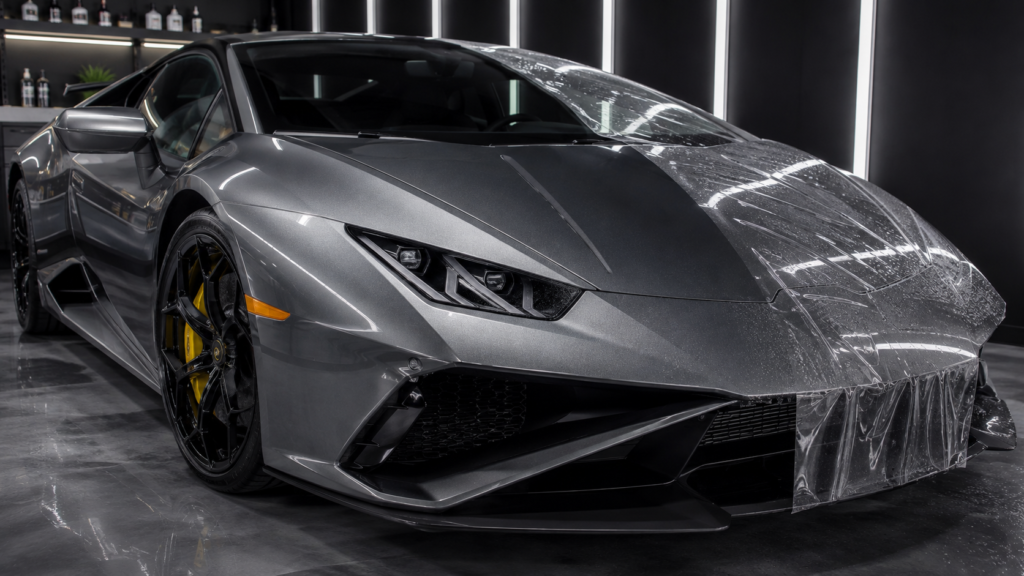
PPF vs Ceramic Coating: Which Protection Does Your Car Need? Choosing the right paint protection comes down to understanding what threats your vehicle faces daily. While both Paint Protection Film (PPF) and ceramic coatings safeguard your car’s exterior, they serve fundamentally different protective roles. Paint Protection Film (often called clear bra) is a thick, shock-absorbing polyurethane layer designed to stop physical damage like rock chips, gravel, and scratches. A professional ceramic coating is a liquid polymer that chemically bonds to your clear coat, offering extreme hydrophobic properties, chemical resistance, and deep gloss. Understanding these key differences helps you select the ideal setup for your driving habits. What Is Paint Protection Film (PPF)? Paint Protection Film is a transparent, durable polyurethane film applied directly to a vehicle’s high-impact zones or entire body panels. Its primary role is mechanical defense. Impact Resistance: PPF acts as a physical shield, absorbing the energy from flying rocks, road gravel, and debris before it reaches your paint. Self-Healing Capabilities: Most modern high-quality films feature an elastomeric top layer that heals minor wash swirls and light surface scratches when exposed to sun heat or warm water. Targeted Protection: Drivers frequently install PPF on high-wear areas such as front bumpers, hoods, fenders, side mirrors, and rocker panels. What Is Ceramic Coating? Unlike film, a ceramic coating is a hydrophobic liquid formula containing silicon dioxide ($SiO_2$). Once applied and cured, it bonds seamlessly with your factory paint surface. Chemical and UV Resistance: Ceramic coatings shield clear coats from harmful UV rays, harsh road chemicals, bird droppings, and acidic tree sap that cause oxidation and etching. Hydrophobic Water Beading: The ultra-slick surface repels water, mud, and grime, keeping your car cleaner for longer and making washing effort-free. Enhanced Paint Depth: Coatings deepen paint reflection, giving your car a permanent high-gloss finish. Key Differences Between PPF and Ceramic Coating Comparing these two protective solutions side by side highlights where each product excels: Physical Protection: PPF stops rock chips, deep scratches, and mechanical abrasion. Ceramic coating cannot stop rock chips or heavy physical impacts. Surface Slickness and Hydrophobicity: Ceramic coatings outperform standard PPF in repelling dirt, shedding water, and resisting chemical stains. Maintenance Effort: Ceramic coatings make routine vehicle washing far easier due to their self-cleaning, low-friction surface. Appearance: Both options look great, but ceramic coatings provide a noticeably sharper glass-like gloss and visual depth. Can You Combine PPF and Ceramic Coating? You do not have to pick just one. In fact, combining PPF and ceramic coating offers the ultimate vehicle paint protection strategy. Installing PPF on high-impact front panels protects your vehicle from highway gravel and debris. Applying a ceramic coating over the entire vehicle—including on top of the film—delivers maximum chemical resistance, intense shine, and easy maintenance across every surface. Driving around Santa Clarita involves exposure to intense sun, loose dust, and highway debris on the I-5 and Route 14. Combining film protection on front impact zones with ceramic coverage across the rest of the body keeps paint safe from both physical impacts and sun degradation. Learn more about routine upkeep in our Auto Detailing guide.